- English
- French
- German
- Portuguese
- Spanish
- Russian
- Japanese
- Korean
- Arabic
- Greek
- German
- Turkish
- Italian
- Danish
- Romanian
- Indonesian
- Czech
- Afrikaans
- Swedish
- Polish
- Basque
- Catalan
- Esperanto
- Hindi
- Lao
- Albanian
- Amharic
- Armenian
- Azerbaijani
- Belarusian
- Bengali
- Bosnian
- Bulgarian
- Cebuano
- Chichewa
- Corsican
- Croatian
- Dutch
- Estonian
- Filipino
- Finnish
- Frisian
- Galician
- Georgian
- Gujarati
- Haitian
- Hausa
- Hawaiian
- Hebrew
- Hmong
- Hungarian
- Icelandic
- Igbo
- Javanese
- Kannada
- Kazakh
- Khmer
- Kurdish
- Kyrgyz
- Latin
- Latvian
- Lithuanian
- Luxembou..
- Macedonian
- Malagasy
- Malay
- Malayalam
- Maltese
- Maori
- Marathi
- Mongolian
- Burmese
- Nepali
- Norwegian
- Pashto
- Persian
- Punjabi
- Serbian
- Sesotho
- Sinhala
- Slovak
- Slovenian
- Somali
- Samoan
- Scots Gaelic
- Shona
- Sindhi
- Sundanese
- Swahili
- Tajik
- Tamil
- Telugu
- Thai
- Ukrainian
- Urdu
- Uzbek
- Vietnamese
- Welsh
- Xhosa
- Yiddish
- Yoruba
- Zulu
Decorating with Natural Pine Floors
If you want to decorate with natural pine floors, you can do a lot of different things that will look great and work well. These solid wood surfaces give a wide range of rooms real character, from busy gyms to classy office buildings. Pine is a great choice for procurement workers looking for sustainable flooring options that won't break the bank because it has unique grain patterns, natural color differences that range from soft honey tones to rich tawny tones, and is naturally flexible. When chosen and put correctly, wood flooring not only looks good but also has many useful benefits, such as absorbing shocks, keeping your home cool, and lasting a very long time. This makes it a good investment for both home and business projects.

Understanding Natural Pine Floors: Features and Benefits
Pine is one of the best solid wood flooring options because it really knows what builders and building managers need. The main reason people like pine is that it blends beautiful natural features with useful building properties.
The Composition and Structural Advantages
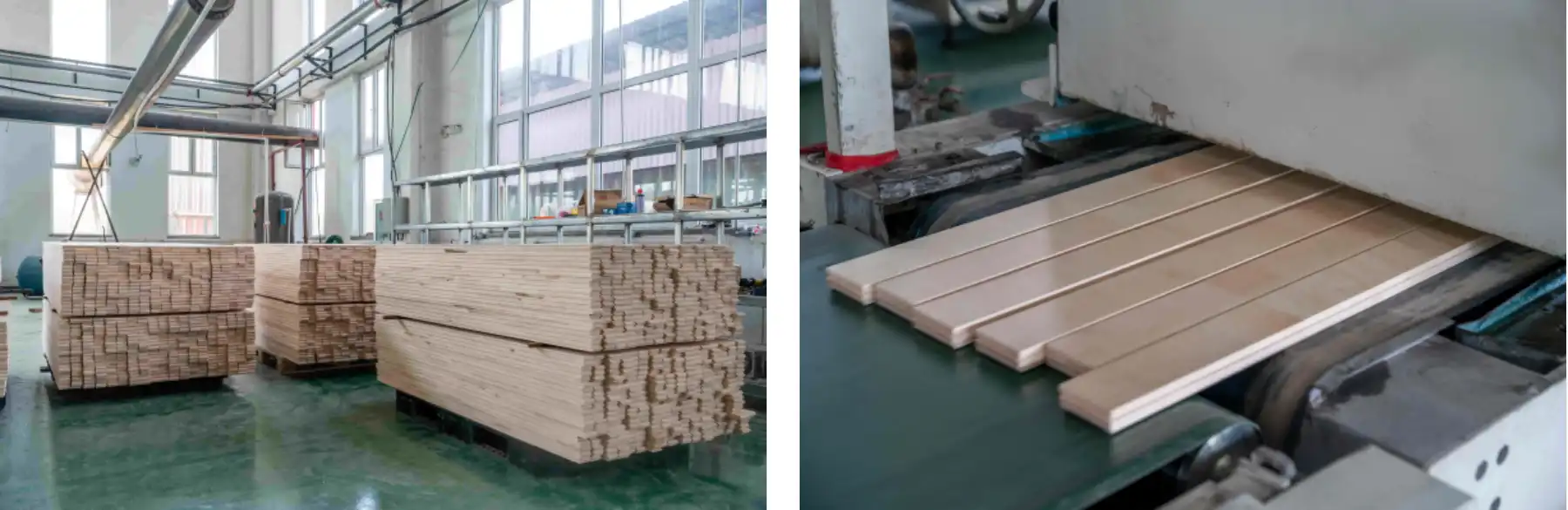
At Fushun Plum Flooring Co., Ltd., we mostly work with Chinese Pine. It is different from heavier hardwoods because it has an open cellular structure. That's not a problem; that's a strategic benefit. The naturally elastic structure of pine cells makes the material good at absorbing and spreading impact forces. This makes it great for sports sites and high-traffic business areas where foot comfort is important.
When we make our products, we carefully kiln-dry each plank until the moisture content is just right, which is between 7 and 12%. This keeps the wood's shape and makes it ready to last for decades. With normal lengths of 1800 mm, widths ranging from 80 mm to 130 mm, and thicknesses of 25 mm or 30 mm, these planks are made of strong material that will last and be easy to install.
Aesthetic Warmth That Transforms Spaces
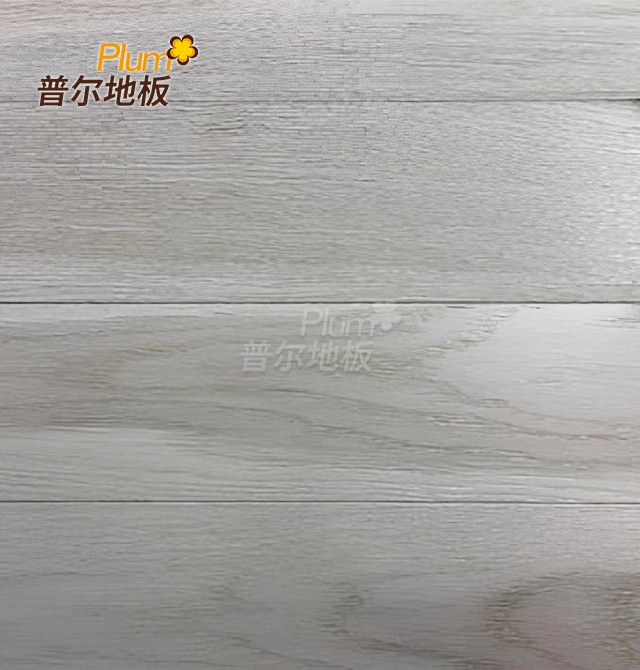
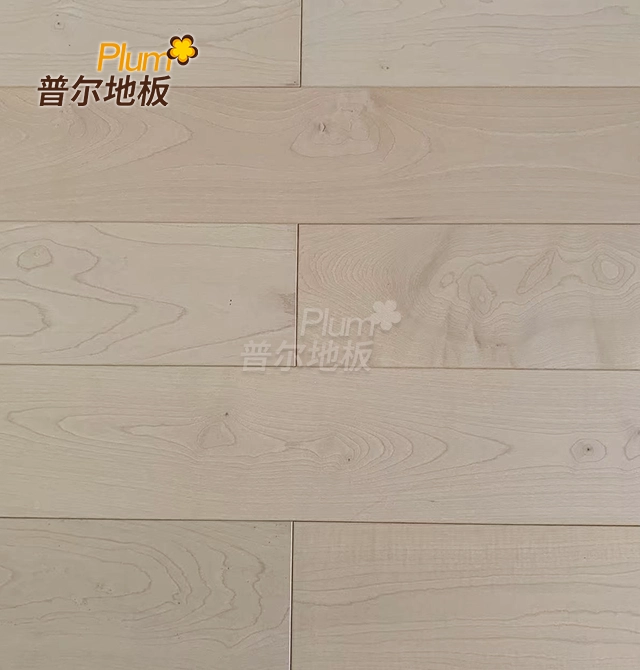
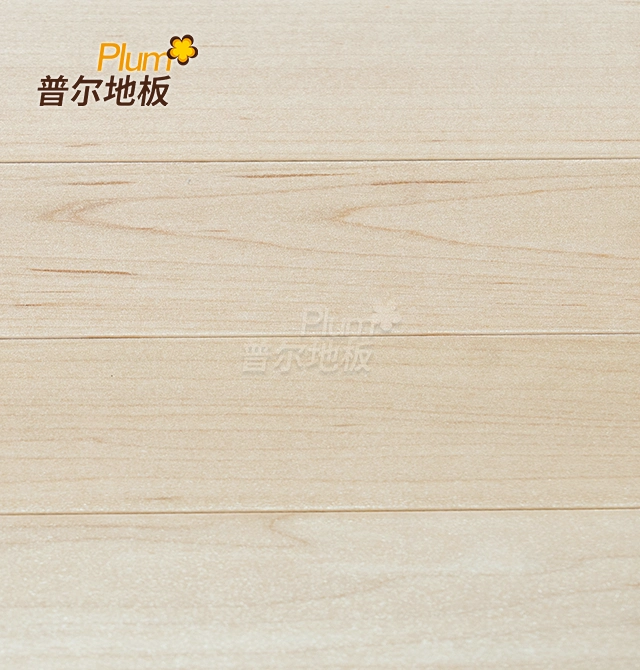
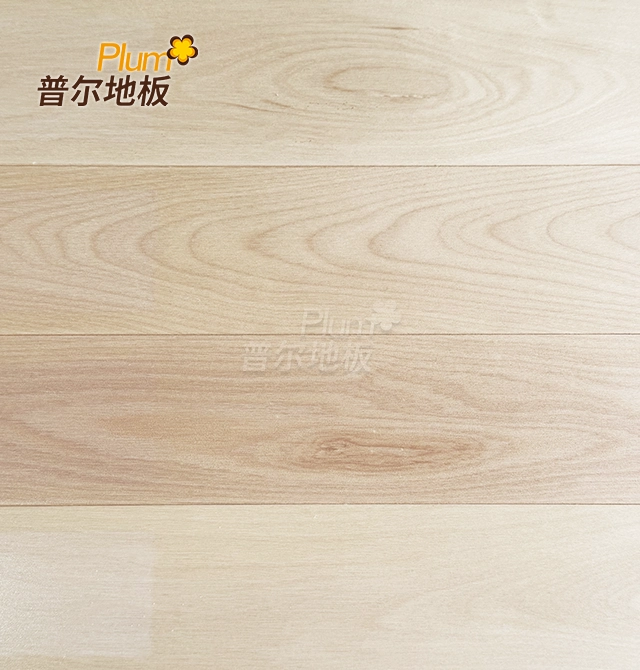
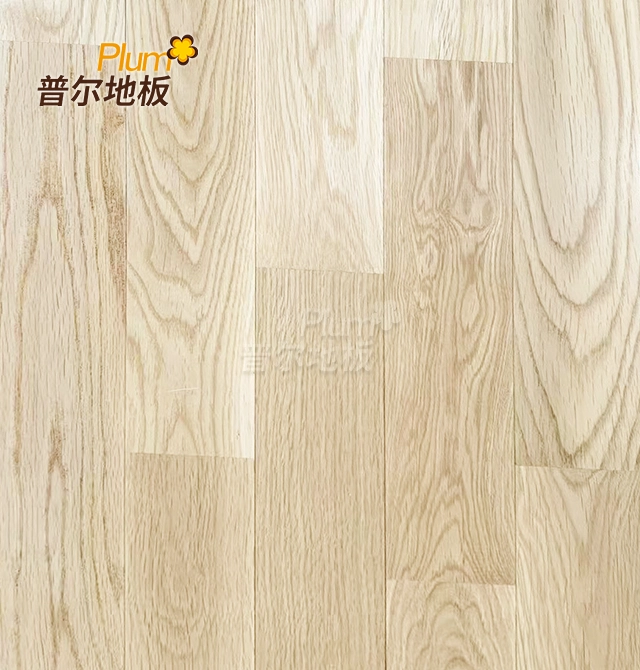
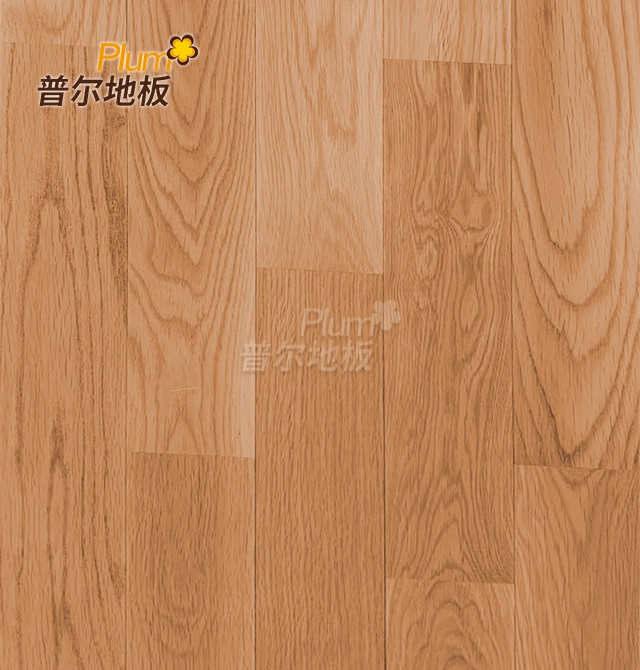
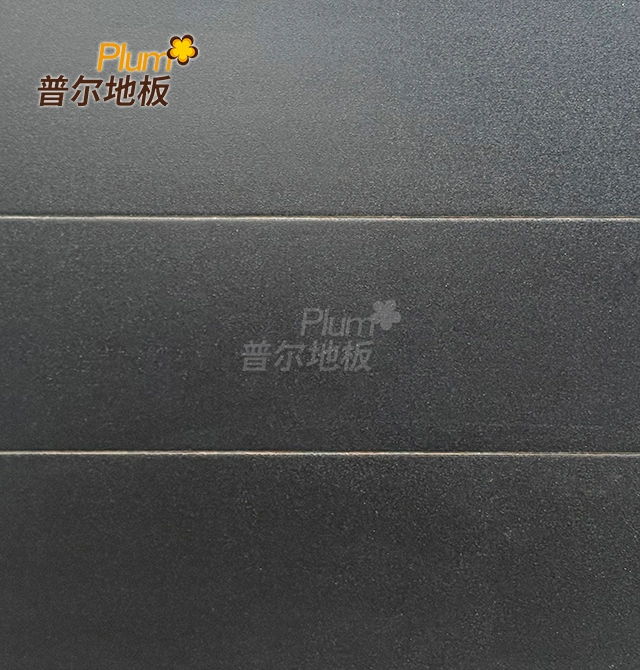
People should pay close attention to how pine flooring looks because it has a direct effect on how they feel a place. Unlike factory-made items that are all the same, each pine plank has its own story to tell through its natural knots, color differences, and grain patterns. We have a variety of color choices, such as Tawny, Gray, and Brown tones, that can be changed to fit your design ideas. This type lets builders and interior designers make places that feel warm and friendly instead of cold and corporate. Pine's natural color helps brighten rooms by reflecting light, so less artificial lighting is needed. This saves energy, which is becoming more and more important for LEED-certified projects and buildings that want to be environmentally friendly.
Eco-Friendly Credentials That Matter
Sustainability is no longer just a marketing word; it's a condition for buying things. Pine is good for the earth because it can be grown over and over again and grows faster than slow-growing trees. Our factories keep up with ISO, IAF, CNAS, B1, and E1 certifications, which show that our goods meet strict safety and environmental standards that are accepted in all places around the world.
The E1 certification talks about formaldehyde emission limits in detail. This proves that these natural pine floors help keep the air inside healthy, which is very important in places like schools, dance studios, and gyms where people's breathing needs to be protected. In addition to certifications, pine's natural antibacterial qualities help keep places cleaner by lowering the need for chemical cleaners over the floor's lifetime.
When put together, these features make a flooring option that doesn't force you to make trade-offs. The people who work in procurement get a product that fits their budget, meets technical performance standards, fits with their company's green goals, and looks good enough for end users to enjoy every day.
Comparing Natural Pine Floors with Other Flooring Types: Making Informed Choices
To choose the right flooring, you need to know how the different materials compare in real-world performance measures that affect their long-term value.
Pine Versus Engineered Wood Products
In recent years, engineered flooring has gained market share. Knowing where it performs better than solid pine helps with design choices. Engineered goods are made up of thin layers of hardwood glued to board bases. They offer stable dimensions in tough conditions. However, this design makes it harder to refinish because most engineered floors can only be sanded once or twice before the base layer is exposed.
With their full 25mm or 30mm width, solid pine planks can be polished many times over the course of their useful life, which can add decades to that time. When lifetime study takes into account the possibility of refinishing, the difference in cost gets a lot smaller. Engineered goods may be cheaper at first, but solid pine is often more cost-effective for buildings that plan to stay in use for 20 years or more because it is easier to fix and lasts longer.
Pine Compared to Traditional Hardwoods
Because they are harder according to Janka, oak, maple, and other traditional hardwoods are often used for business carpeting. With a grade of about 420 lbf, pine is lighter than these other options, which makes you wonder how long it will last. The real world is more complicated than hardness numbers alone make it seem. Pine's cellular structure absorbs hits instead of sending force directly. This makes the surface show marks more clearly but protects the base and substrate better in sports uses.
Schools and gyms gain the most from this feature—the floor may get marks on it over time, but these features also lower the risk of injuries and stress on the structure. The choice is whether uniformity in the surface look or useful performance is more important. Many building managers think that the benefits of pine in terms of comfort, cost, and repairability outweigh any worries about how it will look over time, especially since regular refinishing can bring back the look.
Evaluating Laminate and Bamboo Alternatives
Laminate flooring is popular because it is cheap to install and doesn't need much upkeep. These photocopies of wood grain on fiberboard bases can't match the real wood's feel or ability to be refinished. When laminate planks get damaged, they need to be replaced instead of fixed, and manufactured materials don't have the thermal and acoustic features that make real wood comfy to walk on. As an alternative, bamboo is officially a grass and not a wood.
However, it is as hard as many trees and is good for the environment because it grows back quickly. However, bamboo's performance in places with changing humidity is still less predictable than properly dried wood, and its consistency relies a lot on the quality of its manufacturing, which changes a lot from one source to the next. Our strict quality controls and large stock of raw materials, along with Pine's track record, give buying teams a level of trust that younger materials haven't yet established across a wide range of uses and climate zones.
These similarities aren't meant to knock other types of flooring, but to show where pine flooring is the best value. It's important to match the qualities of the material to the needs of the project, rather than thinking that one type of flooring will always work better than others.
Installation and Maintenance: Ensuring Long-Term Performance
Even the best flooring materials don't work as well when they aren't installed and maintained according to professional standards. The following steps will protect your investment and make it last a lot longer.
Pre-Installation Preparation Essentials
How well you prepare the site affects whether your natural pine floors work perfectly for decades or start to have problems within months. Before the wood planks are brought to the site, the subfloor has to be clean, level within the average 3 mm over 3 meters, and physically sound. Testing for moisture is very important. Before installation starts, you should make sure that concrete surfaces have a moisture content of less than 4% and wood subfloors have a moisture content within 2% of the flooring material's moisture content.
The moisture level of our wood planks when they arrive is between 7 and 12 percent, which is normal for indoor settings. The next important step is acclimation. Keep flooring packages that haven't been opened in the installation area for 7–14 days so that the material can get used to the humidity and temperature levels there. Short building plans make this waiting time annoying, but skipping it leads to gaps, cupping, and other failures caused by moisture that cost a lot more to fix than the delay itself.
Installation Method Selection
We have both tongue-and-groove and click-lock methods so that we can meet the needs of different installers and contractors. When tongue-and-groove flooring is installed, it is traditionally attached with nails or staples. This method works well over wood subfloors and in big commercial spaces where expansion and contraction need to be accommodated by leaving enough room around the edges. The mechanical fastening makes a solid installation that can be refinished many times without worrying about the glue wearing off.
On the other hand, click-lock systems let you place a floating floor over concrete or existing flooring when you need to limit the height or make the floor reversible. Floating installations are sometimes chosen by sports centers to protect the shock-absorption systems below or make future repairs easier. The type of subfloor, the surroundings, and long-term plans for the building should all affect the choice of installation method, not just how quickly it can be done or how familiar the contractor is with it.
Maintenance Protocols That Preserve Value
Maintenance for pine floors includes both regular cleaning and repair work every so often. Dry dust washing or sweeping is used for daily or weekly cleaning to get rid of rough particles that wear down finishes over time. Tracked-in dirt can be removed by damp cleaning with pH-neutral wood floor cleaners. This method does not add too much water. Do not use steam mops or water that is too wet; they can get into joints and make them swell. Our pre-oiled and UV-lacquered surface treatments protect for a long time, but places that get a lot of use may need to be recoated every 3 to 5 years, based on how much they are used.
This maintenance recoating puts a new finish on top of clean surfaces without sanding them all the way down. This makes it possible to wait longer between big repair jobs. When the finish starts to look bad and needs to be refinished completely, the 25mm and 30mm thickness choices we offer let you do it more than once. A normal refinishing takes off about 0.5 to 1 mm of material. This means that these floors can have five or more full refinishings over the course of their lifetime, which turns pine from a consumable to a long-term capital asset.
Lifecycle cost analysis makes it clear what the return on investment is for proper installation and upkeep. If you follow these steps, your wood flooring will last for 30 years or more. If you don't, you'll probably have to replace it within 10 to 15 years. The difference tells you whether your flooring was a good investment or an ongoing cost.
Procurement Insights: Sourcing and Supplier Selection for Natural Pine Floors
Choosing a supplier is one of the most important choices you can make when buying flooring because it has a direct effect on the quality of the product, the time it takes to complete the job, and the total cost of ownership.
Evaluating Manufacturing Capabilities
When it comes to buying flooring, direct producers are clearly better than wholesalers and resellers. At Fushun Plum Flooring Co., Ltd., we have full control over production thanks to our own German and Italian-imported production lines that let us make different specs at the same time based on the needs of the project. Because of this production flexibility, unique sizes, finishes, and order amounts can be met without the delays and higher costs that come with getting made-to-order goods through middlemen.
Our 90-meter national-standard automated painting production line is worth mentioning because it applies consistent, high-quality finishes in a way that human processes can't, which cuts down on finish failures and guarantee claims. When reviewing possible suppliers, purchasing managers should specifically ask about who owns the production lines, how automated they are, and how much capacity is being used. These factors directly affect how reliable deliveries are and how consistent the quality is.
Certification and Quality Assurance Verification
Certifications from the manufacturing industry are concrete proof of high standards, but not all certifications are the same or are checked with the same level of care. Independent third-party inspectors have checked that our quality management systems meet foreign standards. This is shown by our ISO, IAF, and CNAS certifications. The B1 combustion performance rating focuses on fire safety rules that are very important for public gathering places like schools and sports arenas.
Low formaldehyde emissions that protect indoor air quality and meet green building standards are confirmed by E1 approval. In addition to these general certifications, we also keep specialty test records that cover things like evaluating the performance of sports flooring, inspecting solid wood panels, and testing shock-absorbing pads for particular uses. Instead of taking claims at face value, procurement teams should ask to see copies of current certifications and test results and make sure that the certification groups themselves are properly accredited. This research tells the difference between real quality security and marketing claims.

Supply Chain Reliability and Inventory Management
Lack of materials can cause projects to be late, which can cause cost overruns and scheduling problems across all building timelines. The dependability of the supply chain relies on two main things: the availability of raw materials and the stock of finished goods. We get our Chinese Pine straight from well-known forestry operations. This way, we avoid middlemen and can be sure that the material will always be available, even when the market is down. big amounts of popular standards in stock mean that most orders are shipped within days instead of weeks, and production needs for big projects can be met without any delays.
This level of product shows that the company is financially stable and dedicated to customer service in a way that smaller providers can't. Ask specific questions about where the raw materials come from, how often the inventory is turned over, and how long the lead times are for both stock and custom orders when you are reviewing sources. The answers will show you if a seller can really help you stick to your project plan or if they will get in the way.
Support Services That Reduce Project Risk
Comprehensive sellers are different from product vendors because they offer technical help, customization options, and service after the sale. We offer OEM and ODM services that let you choose the exact sizes, finishes, and packages that you need for a project or to meet the branding needs of a wholesaler. Contractors can avoid common mistakes that lower the quality of an installation by getting help with installation and fixing problems.
Warranty coverage and helpful customer service after the sale protect against the questions and problems that will inevitably come up during and after installation. These support services are really useful for the economy because they lower the risk of a project, speed up the resolution of problems, and keep customer ties strong when problems arise. When evaluating suppliers, these factors should be taken into account along with unit price, keeping in mind that the cheapest seller often ends up being the most expensive when project support isn't up to par.
Maximizing Value: Strategic Considerations for B2B Procurement Managers
When you go beyond routine buying and build strategic relationships with suppliers, you can get the best deal on both cost and performance across many tasks and long periods of time.
Building Long-Term Supplier Partnerships
Relationship-based buying has benefits that one-time deals don't have. Suppliers who are willing to put in the time and effort to understand your unique needs, building limitations, and performance goals can offer solutions that aren't even listed in general product catalogs. We've finished more than 1,000 sports venue projects all over China, which gives us a lot of deep application knowledge that helps us make product suggestions and specification advice.
Long-term relationships also allow for better pricing, priority scheduling of output when capacity is limited, and freedom when changes need to be made to the project. For partnerships to work, both parties must be dedicated to them. Buyers must coordinate spending and make it possible to see what the future holds, and sellers must provide consistent quality and quick service. When these promises are kept by both sides, the connection turns into a competitive edge instead of just a way to buy things.
Leveraging Volume for Economic Advantage
When you buy in bulk, you have more bargaining power, but you need to plan ahead to get that value. When compared to buying things all at once for several projects running at the same time or one after the other, buying things based on projects for individual sites wastes money. This level of scale is easily reached by engineering contractors and distributors, but facility owners can work together through group buying organizations or multi-site procurement agreements.
We set our prices so that they award volume across both single big orders and purchases made over a set period of time. This is because we know that manufacturing is more efficient when there are regular production runs and steady demand. Compared to spot market prices, the saves are often 15 to 30 percent, which directly improves the economics of the project. Procurement managers should look at how much their company spends on natural pine floors across all of its sites and projects to find ways to save money by combining purchases that are made in bulk.
Anticipating Industry Trends and Innovations
Flooring technology keeps getting better with new finishes, treatments that make floors more stable in terms of their shape, and mixed building methods that use both old-fashioned materials and cutting-edge engineering. By keeping up with these changes, you can make sure that your buying strategies will work in the future and avoid locking yourself into standards that will soon be out of date. Better UV-cured finishes now have longer longevity similar to commercial-grade polyurethane, dry faster, and give off less VOC.
Thermal modification methods make things more stable in their dimensions and less likely to break down without using chemical preservatives. This is better for the earth and works better too. Micro-beveled edges on pre-finished goods make setups more forgiving and hide small flaws in the flooring. We actively use these new ideas in the creation of our products, giving our buying partners access to better performance that sets them apart from competitors. Talking to providers on a regular basis about product development roadmaps and new technologies puts your company in a better position to adopt useful innovations early on instead of having to play catch-up.
These key factors change procurement from buying things when they're needed to creating value before they're needed. This method needs money to be spent on market research and building relationships with suppliers, but it pays off in the end with better project results, lower total costs, and management skills that are hard for rivals to copy.
Conclusion
Decorating with wood flooring is more than just choosing a material. It's a smart choice that affects how projects look, how well they work, how long they last, and how much they are worth in the long run. The natural beauty, useful flexibility, and environmental friendliness of pine make it a smart choice for a wide range of uses, from sports facilities to business interiors. Understanding the properties of the materials, choosing reliable sources, and following the right steps for installation and care are all important for getting good results. With their manufacturing know-how, strict quality control, and wide range of support services, Fushun Plum Flooring Co., Ltd. changes the buying process from a deal to a relationship. When the right steps are taken to follow the instructions, wood flooring will last for decades and will pay for itself many times over.
FAQ
How does pine flooring durability compare to harder species like oak?
Pine's lower Janka hardness grade than oak's makes it seem like it would not last as long, but in practice, it works better than expected. The cellular structure of pine absorbs impacts in an elastic way, which lowers the transfer of force while making surface marks more obvious. In sports settings where shock absorption is important, the material actually defends the structures below better. Over time, how something looks on the outside changes, giving it personality that many people find attractive.
What maintenance routines work best for commercial pine flooring?
Commercial environments require systematic maintenance that balances cleanliness with material protection. Daily dry dust mop or vacuum every day gets rid of rough particles before they scratch finishes. Once a week, wet cleaning with pH-neutral cleaners made just for wood floors gets rid of tracked-in dirt without using too much water. Cleaners that are too acidic or alkaline can damage finishes, and you should never use a steam mop, which forces water into joints. Entry matting systems make it much less likely for dirt and moisture to get tracked onto floors, which means that much less upkeep is needed.
Can pine flooring accommodate underfloor heating systems?
Radiant heating can be used with pine floors as long as the placement is done correctly. The thermal qualities of the material actually make it better at moving heat than heavier hardwoods. For integration to work, the structure must be floating or use special nailing patterns that let the material expand and contract as the heat changes. The top temperature of the system shouldn't go above 27°C (80°F) to keep it from drying out too quickly and losing its shape. A gradual rise in temperature during the start-up of seasonal heating keeps the temperature from dropping too quickly, which could cause splits.
What customization options exist for color and finish?
We offer a lot of customization options to meet your unique style goals and functional needs. Standard color choices include shades of tawny, gray, and brown. Custom coloring is also an option for exact color matches. Options for surface treatment include raw planks that can be finished on-site, pre-oiled finishes that show off the natural grain and prevent water, and UV-lacquered finishes that are very durable for high-traffic areas. Gloss levels range from matte to satin to high-gloss, and the choice depends on personal taste and how easy it is to clean. You can choose from widths of 80mm to 130mm and thicknesses of 25mm or 30mm.
How important is supplier certification for procurement decisions?
Certification is an objective way to check that manufacturing standards, quality processes, and product performance are met, which promises alone can't do. ISO approval proves that recorded quality management systems control the production process, which lowers the number of variations and errors. Accreditation by the IAF and CNAS makes sure that the certifying bodies meet worldwide standards for fairness and ability. Building codes and insurance policies often require business areas to meet certain fire safety requirements. The B1 combustion performance certification goes into detail about these requirements. E1 formaldehyde emission approval protects the quality of the air inside and meets the growing number of green building standards that are written into contracts.
Partner with a Trusted Natural Pine Floors Manufacturer
When you work with an experienced natural pine floors provider that knows what you need and always delivers, it's a lot easier to make decisions about what to buy. With their high-quality products and full range of support services, Fushun Plum Flooring Co., Ltd. makes flooring projects much easier than they would have been otherwise. Our direct plant production, large inventory stocks, and full certifications, which include ISO, IAF, CNAS, B1, and E1, ensure that your projects stay on schedule and that the goods you receive meet your needs and your budget. Engineers, building managers, distributors, and procurement pros who are looking for reliable pine flooring solutions are welcome to contact us. You can email our team at plumflooring123@163.com to talk about your unique needs and ask for samples that show how committed we are to quality. We'll show you how the right relationship with a supplier can add value to more than just the goods.


References
1. Anderson, M. (2021). Sustainable Wood Flooring: Environmental Impact and Lifecycle Analysis. Building Materials Research Institute.
2. Chen, H., & Liu, Y. (2020). Mechanical Properties of Pine Wood Species in Structural Applications. Journal of Wood Science and Technology, 45(3), 234-251.
3. Fletcher, R. (2019). Commercial Flooring Specification Guide: Comparative Performance Analysis. Facility Management Press.
4. Harrison, T. (2022). Installation Best Practices for Solid Wood Flooring Systems. National Wood Flooring Association Technical Manual.
5. Rodriguez, S., & Kim, J. (2020). Indoor Air Quality and Wood Flooring Materials: Health Impact Assessment. Environmental Building Journal, 38(2), 112-128.
6. Williams, P. (2021). Procurement Strategy for Construction Materials: Value Optimization in B2B Relationships. International Journal of Supply Chain Management, 52(4), 445-463.
Get Price, Catalog, and Professional Flooring Solutions