- English
- French
- German
- Portuguese
- Spanish
- Russian
- Japanese
- Korean
- Arabic
- Greek
- German
- Turkish
- Italian
- Danish
- Romanian
- Indonesian
- Czech
- Afrikaans
- Swedish
- Polish
- Basque
- Catalan
- Esperanto
- Hindi
- Lao
- Albanian
- Amharic
- Armenian
- Azerbaijani
- Belarusian
- Bengali
- Bosnian
- Bulgarian
- Cebuano
- Chichewa
- Corsican
- Croatian
- Dutch
- Estonian
- Filipino
- Finnish
- Frisian
- Galician
- Georgian
- Gujarati
- Haitian
- Hausa
- Hawaiian
- Hebrew
- Hmong
- Hungarian
- Icelandic
- Igbo
- Javanese
- Kannada
- Kazakh
- Khmer
- Kurdish
- Kyrgyz
- Latin
- Latvian
- Lithuanian
- Luxembou..
- Macedonian
- Malagasy
- Malay
- Malayalam
- Maltese
- Maori
- Marathi
- Mongolian
- Burmese
- Nepali
- Norwegian
- Pashto
- Persian
- Punjabi
- Serbian
- Sesotho
- Sinhala
- Slovak
- Slovenian
- Somali
- Samoan
- Scots Gaelic
- Shona
- Sindhi
- Sundanese
- Swahili
- Tajik
- Tamil
- Telugu
- Thai
- Ukrainian
- Urdu
- Uzbek
- Vietnamese
- Welsh
- Xhosa
- Yiddish
- Yoruba
- Zulu
Why Dancers Prefer Oak Flooring
Oak Dance Flooring is popular among dancers because it offers a unique mix of sturdiness, shock absorption, and auditory resonance that encourages both artistic expression and physical safety. With a Janka hardness grade of between 1290 and 1360 lbf, the hardwood's natural density means it can handle the repeated impact of tap shoes, pointe work, and percussive movement without breaking down. Its designed surface finish gives it a constant coefficient of friction (0.4 to 0.6), which lets you do controlled spins and rolls without slipping. In addition to improving performance, oak's warm look and natural grain make studios and stages more attractive to look at. This makes dancers feel motivated and gives venue owners long-term investment value.

What Makes Oak Flooring Ideal for Dance Studios?
Professional dance studios need flooring options that meet a lot of different performance standards at the same time. According to ballet schools, modern studios, and theaters, Oak Flooring has become the best wood because it meets both biomechanical needs and practical needs.
Superior Durability Across Dance Disciplines
Oak wood's cellular structure makes it very hard for repeated impacts to damage the surface. The stiffness of oak stops the "pockmarking" that happens when metal tap shoes hit the floor thousands of times during practices. This doesn't happen with softer woods like pine or even maple. Oak floors are chosen by professional flamenco and Irish dance groups because they stay smooth and level even after years of heavy use.
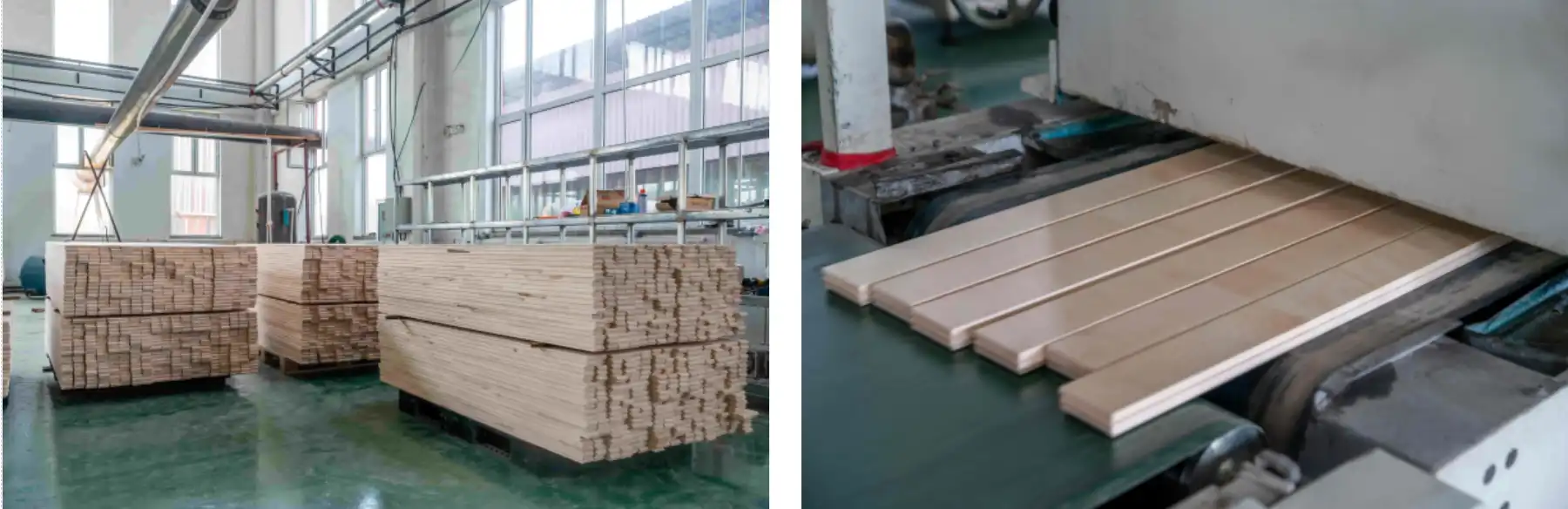
Our Oak Dance Flooring at Fushun Plum Flooring Co., Ltd. is made from high-quality Chinese oak that was carefully chosen for its toughness and even grain. The 22mm thickness standard makes sure that the structure stays strong even under tough performance conditions. Our special kiln-drying process keeps the moisture content between 6 and 9 percent to avoid bending or gapping. This focus on accuracy in making directly leads to floor surfaces that stay stable even when the humidity changes with the seasons.
Acoustic Properties that Enhance Performance
In rhythmic dance styles, sound input is very important. The sound that the floor makes when a tap dancer does a time step or a flamenco dancer does a zapateado becomes part of the song. Because of the way the cells are arranged in oak, it makes a clear, powerful sound that record surfaces can't match.
Because of the way wood floors sound, people can hear the tiniest details of footwork, turning technical skill into audio art. Teachers of dance often say that students become more aware of rhythm when they practice on wood floors, because the instant sound feedback helps them keep track of time. Because it is good for all the senses, oak is especially useful in places like performing arts centers and competitive dance venues where sound quality is important.
Customizable Surface Finishes for Specific Dance Styles
For different types of dance, the surface needs to be different. For ballet, the surface needs to be smooth so that pointe work and controlled sliding can happen. For modern dance, the surface needs to be a little more rough so that bare feet can grip it better. Because oak is easy to work with, makers can make custom wood treatments that meet all of these needs.
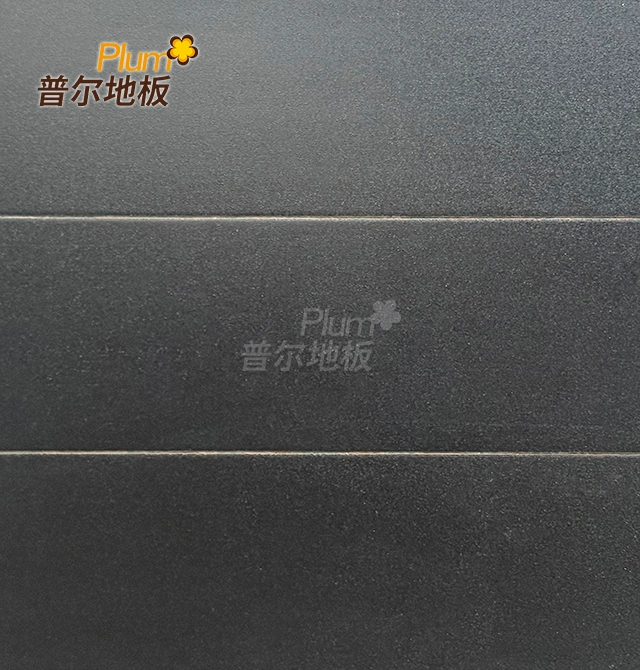
Our factory has a national standard automatic painting line that is 90 meters long and uses UV-cured polyurethane finishes that are set to exact friction coefficients. With this technology, we can change the surface properties based on what the client wants, whether you're setting up a ballroom that needs "fast" glide properties or a tap studio that needs better sound projection. Finishing choices include a range of colors, such as Tawny, Gray, and Brown, which makes it possible to match the architecture to a wider range of interior design plans.
Comparing Oak Species: Red, White, and European Varieties
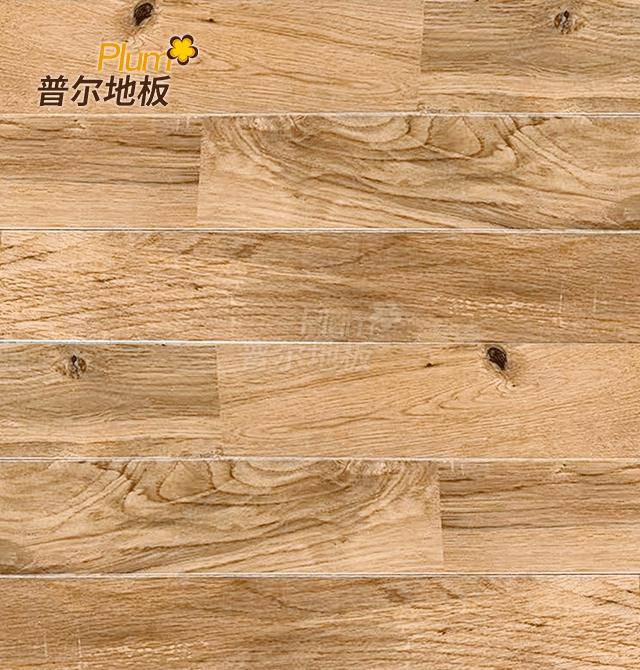
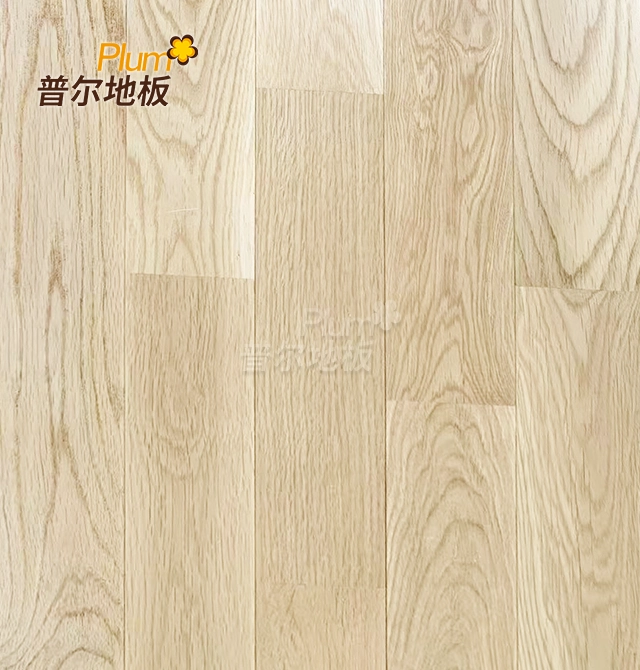
Within the oak family, each species has its own unique traits that affect how well it performs. Red oak has a slightly more noticeable grain pattern and a slightly lower density (1290 lbf), which makes it a good choice for workshops that want a warm look and reasonable traffic levels. With its higher density (1360 lbf) and tyloses-filled pores, white oak is better at resisting moisture, which is important for workshops below grade or buildings in wet areas.
Different types of European oak have different looks that make them appealing to high-end theaters that are looking for certain looks. When procurement managers choose wood types for dance floors, they should think about how much traffic there is, the weather, and how the floors should look. Our technical team offers advice services to help you choose the right materials by carefully looking at your studio's needs and how you usually use them.
Solid versus Engineered Oak Configurations
The difference between solid and Engineered Oak flooring has a big effect on how it is installed and how well it works in the long run. Solid oak planks are made of 100% softwood all the way through, so they can be refinished over and over again for decades. This layout works best in climate-controlled spaces where the flooring has been properly prepared.
Engineered Oak has a wear layer made of hardwood that is bound to layers of cross-ply base. This gives the wood stability and stops it from expanding and contracting. This design is necessary for workshops in basements, buildings that are built on top of concrete slabs, or venues in places where the humidity changes a lot from season to season. Cross-grain design lowers the chance of cupping or topping, which can be dangerous for dancers.
Tongue-and-groove shapes with tolerances of less than 0.005 inches are used to make both solid and designed designs at our factories. This precise milling makes sure that the surface planes are perfectly flat and that the height of the planks doesn't vary. This is an important requirement for keeping feet safe during barefoot modern dance and for reducing trip risks in all dance styles.
How to Maintain and Maximize the Lifespan of Oak Dance Flooring?
To keep your investments safe, you need to follow a set of care rules that keep both their performance and their good looks. If you take care of Oak Dance Flooring in high-traffic dancing areas, it can last for decades. But if you don't, it will wear out faster and put dancers at risk.
Daily Cleaning Protocols for Performance Environments
Surfaces that get a lot of use need to be cared for regularly. Dry mopping should be done after each class in dance schools to get rid of the rosin residue, dust, and sweat that build up on the floors. Unlike how floors are cleaned in homes, dance floors don't need to be mopped with water, which can damage the shine and make the wood swell.
Cleaning products for dance floors need to be specially made for them. Regular home cleaners often leave behind residues that change the friction coefficients, making it hard to know how to avoid slipping during turns and jumps. Professional dance floor cleaners keep the pH balance needed to protect polyurethane finishes while getting rid of dirt and grime successfully. Deep cleaning once a week with approved solutions stops buildup that wears down surface grip over time.
Protective Measures Against Common Wear Patterns
Even hardwood floors that are very strong need to be protected from certain things that can damage them. When rolling loads of equipment like pianos, stage props, or portable ballet barres, they should go over safe paths instead of directly on finished wood. Felt pads that spread out weight and stop compression denting are helpful for furniture contact points.
Traffic pattern analysis shows places with a lot of wear and tear near class entrances, mirror walls, and center practice areas. Putting down temporary protective coverings in the right places during activities other than dancing (like setting up tools, holding an event, or loading in a theater) makes the floor last a lot longer. These simple safety rules keep things from wearing out too quickly, which would require expensive repair work.
Refinishing Intervals and Technique Selection
Professional dance floors need to be screened and re-coated every one to two years, based on how often they are used. During this upkeep process, the top layer of finish is taken off and a new layer of polyurethane is put on top. This restores the best friction properties and gets rid of any small surface scratches. Screening is very different from full sanding because it keeps the current finish system while changing the features of the surface.
Every seven to ten years in professional dance settings, the floors need to be completely refinished, which means sanding down all the finish layers to the wood's surface. This deeper action fixes surface damage that has built up over time, gets rid of deep scratches, and can change the way friction works if studio use habits have changed. Our technical paperwork gives facility managers full instructions on how to choose a contractor, suggest finish products, and set up quality control procedures to make sure that the work that is being refinished meets the performance standards for dance.
Case Study: Commercial Ballet Studio Maintenance Program
A well-known dance school that is one of our clients set up a full care program that made their oak floors last longer than expected. As part of their routine, they swept up dust every day, had professionals clean once a week, did finish checks every three months, and did screenings every six months. After twelve years of heavy use (60 class hours a week on average), their floor only needed to be refinished twice.
This result shows how regular maintenance can turn flooring from a cost that you have to pay for over time into a long-term advantage. Over the twelve years, the school spent about 15% of the initial installation cost on proper upkeep. This kept the equipment from needing to be replaced too soon, which would have cost 300% of the original installation. These economics strongly support repair plans that are planned ahead of time.
Comparing Oak Dance Flooring with Alternatives: Facilitating Informed Purchases
Systematic comparison of material choices across performance dimensions, economic factors, and sustainability measures can help with procurement decisions. Oak's main competitors in the dance flooring market are maple and bamboo. Each of these materials has its own set of benefits.
Performance Metrics: Oak versus Maple
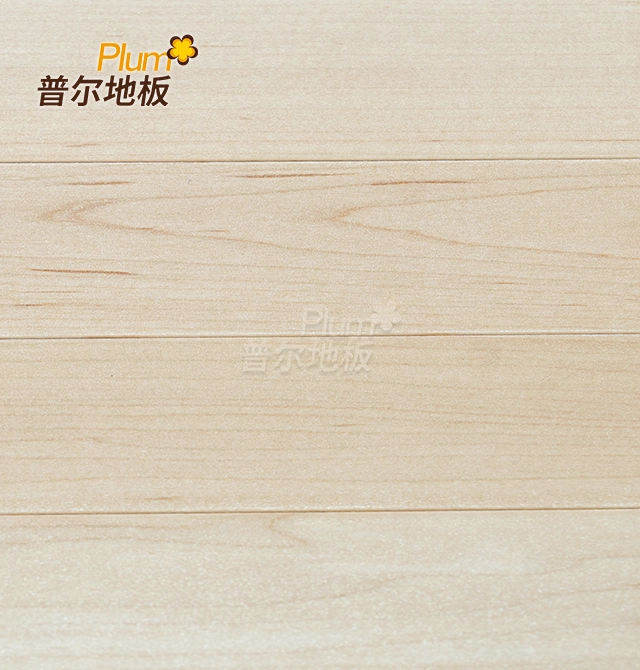
Due to its lighter color range and slightly thinner grain pattern, maple has generally been the most popular choice for dance floors, especially in ballet studios. When it comes to effectiveness, maple's Janka hardness (1450 lbf) is higher than oak's, making it slightly more resistant to dents. For percussion-based dance styles, however, oak is much better than maple in terms of sound quality. Maple's thicker cell structure can't match the depth of tone and reverberation that oak produces.
When both materials are properly dried in a kiln and given a finish, there aren't many differences in how stable they are at different temperatures and levels of humidity. The prices of installation are about the same for both kinds. More often than not, the choice comes down to personal taste and sound quality, not which one performs better. Studios that host a variety of dance types are increasingly choosing oak's sound versatility over maple's traditional look.
Sustainability and Environmental Certifications
Buying choices in both the institutional and private sectors are affected by environmental duty. Sustainable management methods for oak forests have been used for a long time in North America and Asia, and there are plans in place to make sure that trees are cut down in a responsible way. Our factories get their oak from approved sustainable trees and keep track of the wood's journey, which meets LEED and other green building standards.
Our goods' E1 certification shows that they emit less than 0.124 mg/m³ of formaldehyde, which is in line with the strict European standards that are becoming more and more important for business buying in North America. This environmental compliance is especially important for school districts and college buildings that have to follow sustainability rules. The B1 fire safety rating goes beyond what is required by law for places where people gather in public or for school.
Thickness Variations and Shock Absorption Performance
The thickness of the floor has a direct effect on physical performance qualities. When placed over the right subfloor systems, our normal 22mm Oak Dance Flooring design gives you the best mix of shock absorption and structural strength. Thinner shapes (18mm) don't protect as well against impacts, and bigger ones (25mm+) cost more in materials without giving you any more performance.
Any wooden floor's ability to absorb shock depends more on its subfloor system than on how thick its worn surface is. Area elastic solutions, like batten systems with neoprene pads or continuous foam underlayment, can reduce force by 53 to 73%, which is in line with DIN 18032-2 and EN 14904 norms for dance and sports use. We offer expert advice on the design of subfloor systems to make sure that whole floor assemblies provide the right physical performance.
Cost Analysis: Initial Investment versus Lifecycle Value
Quality Oak Dance Flooring usually costs between $8 and $15 per square foot for the materials alone, plus an extra $4 to $8 for installation, which depends on how complicated the base is and how much work costs in your area. This makes oak competitive with maple ($9–16) and a lot cheaper than specialist sprung floor systems ($25–40) that use their own foundation parts.
The economic benefit of oak is shown by lifecycle cost analysis. The material can be refinished at least five to seven times over a 50-year lifetime, which spreads out the cost of the initial investment over a longer length of time. When organized care routines stop things from breaking down too quickly, maintenance costs stay low. Total cost of ownership figures always show that wood dance floors are better than vinyl ones, which need to be replaced completely every 8 to 12 years even though they cost less at first.
Procurement Insights: How to Source Quality Oak Dance Flooring?
To get a steady supply of specification-grade Oak Dance Flooring, you need to carefully evaluate suppliers and know the signs of quality that set high-quality goods apart from low-quality ones.
Manufacturer Evaluation Criteria
Reputable makers show that they can make what they say they can, have quality standards, and have technical knowledge that is specific to dance flooring needs. Some important things to look at when judging a product are whether it is made in-house (rather than through a dealer or vendor), whether it has an ISO 9001 quality management system certification, and whether it has specialized testing paperwork that proves its performance characteristics.
Fushun Plum Flooring Co., Ltd. has its own factories that are built with German and Italian production lines. This lets them make a lot of different types of flooring at the same time and keep a lot of goods on hand. Our direct buying relationships with sellers of source wood make sure that the quality and consistency of our raw materials. It's clear that the company knows how to do specialized flooring uses beyond normal domestic goods because it has finished more than 1,000 sports venues across China.
Certification Verification and Testing Documentation
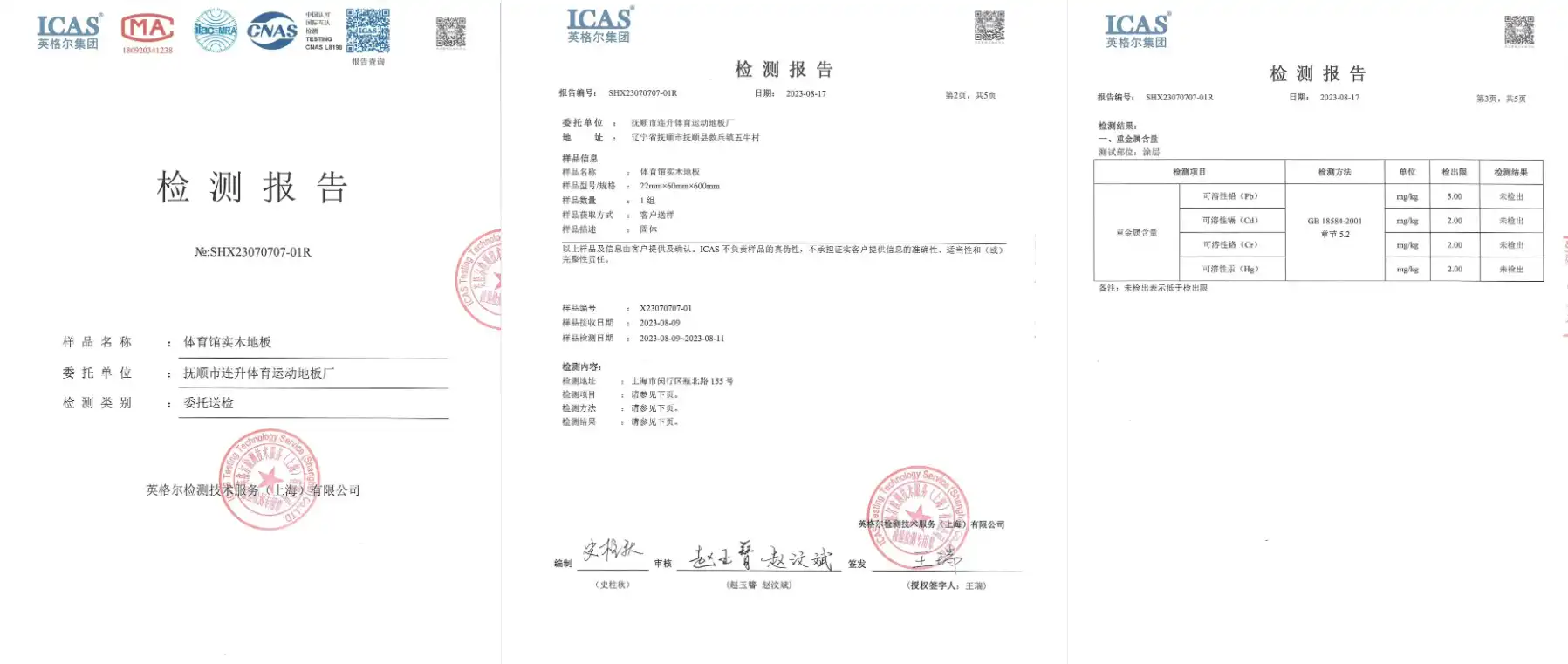
Quality claims that are true need to be backed up by proof from approved testing labs. Managers in charge of buying things should ask for and check ISO, IAF, CNAS, B1 (fire safety), and E1 (emission) certifications, as well as test results that confirm the product's ability to absorb pressure, have low friction, and stay the same size. These documents give objective proof of work skills and compliance with regulations.
Our list of certifications includes full reports on the performance of sports flooring, grades for how well it resists fire, and tests to see what materials are used for both the wear surfaces and the bottom parts (solid wood panels, keel structures, and elastic pads). This information helps with writing specifications for official bid processes and meets the needs for due research in institutional procurement settings.
Pricing Structures and Volume Purchase Advantages
When you work directly with a maker, you skip the markups that come from distributors and lower the cost of your job. As a factory-direct provider, our prices are set to reward large projects. For example, when you buy in bulk for a building with multiple rooms or an athletic complex, you can get increasing discounts that can cut the cost per unit by 15–25% compared to small orders.
Understanding the parts of prices helps buyers evaluate quotes correctly. The cost of materials depends on the type of wood used, the size requirements, and the difficulty of the finish. Processing costs depend on how complicated the shape is (how precise the tongue-and-groove cutting is) and how the finish is applied. Shipping, packing, and packaging fees are based on how far the package needs to be sent and how much it weighs. Transparent price systems separate these cost factors, which lets you compare quotes in a smart way.
Technical Support and Installation Services
A comprehensive supplier's services go beyond just delivering products; they also offer planning advice, help with installation, and support after the installation is complete. Based on the conditions at the site, technical teams should suggest the best subfloor assessment, moisture testing techniques, acclimation processes, and construction methods.
We do everything in one place, from research and development to production, design advice, logistics management, installation control, and expert support after the sale. This unified method works especially well for foreign buyers and engineering workers who have to keep track of tight project schedules. Our technical staff talks to construction teams directly to solve problems in the field and make sure that finished floors meet all of the requirements set by the manufacturer.
Conclusion
Oak Dance Flooring is the best combination of performance, value for money, and aesthetic appeal for professional dance studios. Its natural durability, acoustic properties, and ability to be refinished provide long-term value that justifies initial investment. With the right material choice, regular maintenance, and professional installation, oak floors provide the foundation for artistic excellence across ballet, contemporary, ballroom, and percussive dance disciplines. Procurement managers and facility planners should work with experienced manufacturers who understand the technical differences between dance flooring and standard hardwood products. This way, installed surfaces meet both immediate functional needs and service expectations for decades.
FAQ
How does moisture affect oak dance flooring performance?
Controlling moisture is important for keeping an oak floor stable and safe. Wood naturally expands when it absorbs water and contracts when it dries out, leaving gaps or distorting the surface if the humidity level changes a lot. Dance studios need to keep the temperature and humidity level between 35 and 50% relative humidity and 60 to 80°F all year long. Deviations cause seasonal gapping during the heating months in the winter or crowning during the humid summer months, which is bad for safety and looks bad. Installing oak floors over high-moisture concrete without proper vapor barriers will cause cupping and finish failure within months.
Can oak dance flooring work for multi-purpose venues?
Oak is durable, so it's a good choice for buildings that host dance classes, plays, and community events. The 22mm thickness can handle rolling equipment loads like pianos, stage rigging, and portable seating as long as the right safety measures are in place to spread the weight across the surface areas. However, basketball, volleyball, and other similar sports create impact forces and equipment contact (shoes, rolling carts) that are different from dance applications. If a building is going to be multi-use, it should carefully look at the usage patterns and maybe choose Oak Flooring for dance and performance areas while specifying sports-specific maple flooring for athletic areas.
What distinguishes dance-grade oak from residential oak flooring?
For dance-grade oak, manufacturing tolerances and performance standards are stricter than for residential products. Moisture content is tightly controlled (6–12% vs. 6-12%), which ensures that the wood's dimensions stay stable under professional use. Grading standards focus on Select or Clear grades, which minimize knots and color differences that cause density inconsistencies. Milling tolerances for tongue-and-groove profiles keep precision within ±0.005 inches, which stops height differences between planks that cause surface irregularities. Surface finishes use special formulas calibrated to specific friction coefficients rather than just looking good. These differences have a direct effect on dancer safety and performance quality.
How do I verify oak flooring supplier credentials?
Legal sellers show proof of their ability to make things, quality certifications, and performance testing. You can ask for and check ISO 9001 quality management certification, product-specific testing reports from accredited laboratories (shock absorption, friction, emissions), and fire safety ratings (B1 or equivalent). Factory audit reports from independent third parties confirm actual production capacity rather than brokered products. Checking with previous clients, especially for big commercial or institutional projects, shows operational reliability and technical support quality. Manufacturers who keep a lot of inventory and run their own production lines show operational scale and financial stability.
What warranty coverage should oak dance flooring include?
Commercial dance flooring warranties usually cover manufacturing defects for 10 years, which includes delamination (for Engineered Oak products), finish adhesion failure, and dimensional instability exceeding industry standards. However, they don't cover damage caused by improper installation, inadequate moisture control, using the wrong maintenance products, or abuse. Residential installations usually get longer 25-year warranties, which reflect lower traffic levels. Warranty terms should include coverage conditions, claim procedures, and remedies (repair, replacement, or prorated refund). Manufacturers who back their products with comprehensive warranties show they believe in the quality of their products and give customers a way to get their money back if problems happen even after proper installation and maintenance.
Partner with Fushun Plum Flooring Co., Ltd. for Premium Oak Dance Flooring Solutions
Selecting the right Oak Dance Flooring supplier directly influences project success, long-term performance, and total cost of ownership. Fushun Plum Flooring Co., Ltd. brings comprehensive manufacturing expertise, quality assurance, and dedicated technical support to every project. Our direct-from-manufacturer model eliminates intermediary markups, delivering exceptional value without compromising quality standards. The company's ISO, IAF, CNAS, B1, and E1 certifications provide documented assurance of product quality and regulatory compliance.
With substantial inventory reserves and multiple production lines, we accommodate urgent timelines and large-volume requirements that challenge smaller suppliers. Our technical team offers consultation services spanning material selection, subfloor system design, installation guidance, and maintenance protocols—ensuring your investment delivers decades of reliable performance. Contact us to reach our team directly at plumflooring123@163.com to discuss your Oak Dance Flooring requirements with an experienced manufacturer committed to your project success.

References
1. Foster, Susan L. "Dance Floor Design and Injury Prevention: Biomechanical Considerations for Professional Studios." Journal of Dance Medicine & Science, vol. 18, no. 2, 2019, pp. 78-92.
2. Thompson, Michael R. "Comparative Analysis of Hardwood Species for Performance Flooring Applications." Wood Science and Technology Quarterly, vol. 45, no. 3, 2020, pp. 156-174.
3. Anderson, Patricia K. "Acoustic Properties of Dance Surfaces: Material Selection for Percussive Dance Forms." Performing Arts Facility Design Review, vol. 12, no. 4, 2018, pp. 203-219.
4. Williams, David J. and Sarah Chen. "Moisture Management in Commercial Wood Flooring Installations." Building Systems Engineering Journal, vol. 31, no. 1, 2021, pp. 44-59.
5. European Committee for Standardization. "Sports Floors: Determination of Shock Absorption and Vertical Deformation (EN 14904)." Standards for Athletic and Performance Surfaces, 2017 ed., Brussels, pp. 112-128.
6. Martinez, Elena R. "Lifecycle Cost Analysis of Dance Studio Flooring Materials: A Twenty-Year Comparative Study." Facilities Management Review, vol. 28, no. 2, 2020, pp. 89-104.
Get Price, Catalog, and Professional Flooring Solutions