- English
- French
- German
- Portuguese
- Spanish
- Russian
- Japanese
- Korean
- Arabic
- Greek
- German
- Turkish
- Italian
- Danish
- Romanian
- Indonesian
- Czech
- Afrikaans
- Swedish
- Polish
- Basque
- Catalan
- Esperanto
- Hindi
- Lao
- Albanian
- Amharic
- Armenian
- Azerbaijani
- Belarusian
- Bengali
- Bosnian
- Bulgarian
- Cebuano
- Chichewa
- Corsican
- Croatian
- Dutch
- Estonian
- Filipino
- Finnish
- Frisian
- Galician
- Georgian
- Gujarati
- Haitian
- Hausa
- Hawaiian
- Hebrew
- Hmong
- Hungarian
- Icelandic
- Igbo
- Javanese
- Kannada
- Kazakh
- Khmer
- Kurdish
- Kyrgyz
- Latin
- Latvian
- Lithuanian
- Luxembou..
- Macedonian
- Malagasy
- Malay
- Malayalam
- Maltese
- Maori
- Marathi
- Mongolian
- Burmese
- Nepali
- Norwegian
- Pashto
- Persian
- Punjabi
- Serbian
- Sesotho
- Sinhala
- Slovak
- Slovenian
- Somali
- Samoan
- Scots Gaelic
- Shona
- Sindhi
- Sundanese
- Swahili
- Tajik
- Tamil
- Telugu
- Thai
- Ukrainian
- Urdu
- Uzbek
- Vietnamese
- Welsh
- Xhosa
- Yiddish
- Yoruba
- Zulu
Installing Birch Hardwood Flooring Tips
Installing birch hardwood floors needs to be carefully thought out and done, especially for large business projects. This beautiful flooring is made from Russian Birch Hardwood Flooring and is very strong and can look good in a lot of different ways. Because of these things, it's a great choice for businesses, schools, and sports venues. Birch has a Janka hardness rating of 1260 lbf, which means it is strong enough for places with a lot of foot traffic but still feels beautiful and smooth. Doing something the right way will make sure that it works well for as long as it lasts, giving you the most value and style options in different places.

Understanding Birch Hardwood Flooring Before Installation
Picking the right material for the floor is a big decision that will affect the job for a long time. Birch Hardwood Flooring stands out because it can be used in many ways and meets both function and style needs. This makes it very useful for procurement workers who have to deal with tricky business setups.
Unique Characteristics of Birch Wood
There are some things that make different kinds of birch, mostly Yellow Birch (Betula alleghaniensis) and Sweet Birch (Betula lenta), different from other hardwoods. Because the grains are so small and fine, the surface feels soft and smooth, which is good for places where people stand or move around for a long time. This is because birch doesn't have open grains like Red Oak does, so dirt doesn't stick to it as much. This makes it great for places that have strict rules about how to clean.
When a material is tough and flexible at the same time, it can handle being hit over and over again. Strong nail-holding makes sure a safe fix that won't come loose after years of use, and good workability lets you make clean cuts while you're making something. Because of these technology features, work takes less time and costs less to do, which has a big impact on the project budgets as a whole.
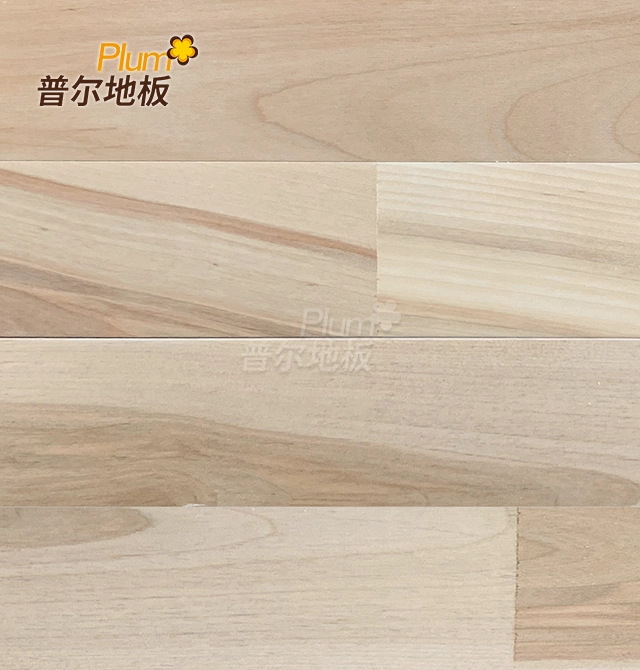
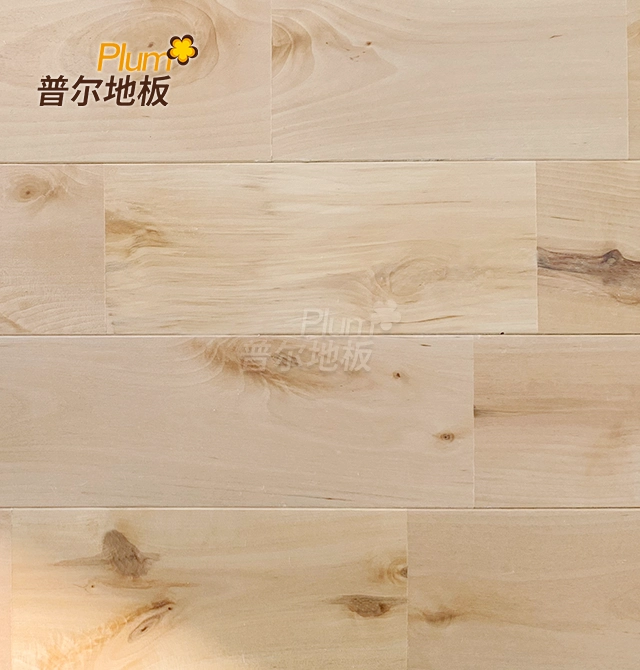
It's 18mm thick, comes in 90mm and 120mm widths, and can be bought in lengths ranging from 300mm to 900mm. This range of sizes lets builders and project managers make more plans and choose from more installation styles. This color group has shades of brown, gray, and golden. Each one looks different and works well with a range of home styles.
Comparative Analysis: Birch vs. Other Hardwoods
It's easier to choose the right tools for a project when you know how birch compares to other types of wood. Birch looks a lot like Hard Maple, but it's not as thick, which makes it easier to work with and lessens the amount of tool wear during installation. This quality comes in very handy for big projects, where the speed of installation has a direct effect on the end date.
For flooring, Red Oak has been used for a long time. Birch is more stable than Red Oak because its grains are closer together. This stability is especially helpful in places where the temperature changes because it makes it less likely that the floor will cup or gape, which can damage its structure. Because birch has a lighter base color, it is easier to color, so it can be used in a variety of ways without having the dark undertones that come with oak.
Comparing birch to bamboo reveals advantages in both durability and repairability. Bamboo says it is eco-friendly, but solid birch from Russian forests that are handled in a way that doesn't hurt the environment is better for repainting. It is possible to sand and shine birch floors many times over the course of their life. This makes them last a lot longer than many built choices. Total cost of ownership is much better when this life factor is taken into account. This is very important for people who want to buy a business building and use it for a long time.
Environmental and Sustainability Credentials
These days, environmental impact studies are being used more and more in modern procurement decisions. They are used along with normal performance measures. A lot of strict foreign standards, like ISO, IAF, and CNAS standards, have been met by our Birch Hardwood Flooring. It also doesn't catch fire easily and gives off a lot of formaldehyde (E1). In the United States, business installations must follow strict health and safety rules. These licenses show that the installation meets those rules.
The E1 approval is very important in places like schools and hospitals where the air quality has a direct effect on people's health. VOC pollution levels that are low help green building projects meet LEED approval goals and keep sensitive groups safe. Russia's source areas use sustainable forestry methods to make sure that resources are handled well. This way, companies can meet their CSR goals without lowering the quality of the things they use.
Preparing for Installation: Key Considerations for B2B Buyers
If you don't prepare the floor well before putting it down, you could end up with a costly failure. It is best for companies when procurement managers look at things like the state of the site and the skills of their providers. This way, they can get the best results that meet both performance goals and price limits.
Site Conditions and Subfloor Assessment
Getting the subfloor ready is the first thing that needs to be done to make sure the floor lasts a long time. The subfloors must have a moisture content of less than 4% before installation can begin. Standardized moisture meters can be put in different areas of the installation area to check this. When the subfloor is too wet, the wood expands and bows, which ruins the finish and costs a lot to fix.
When installing things for a business, level limits are very important. In this field, the differences between measurements must not be bigger than 3mm over a length of 3 meters. If the subfloor isn't within these ranges, leveling powder must be used to keep the planks from moving and wearing down in different ways. We recommend that you hire qualified flooring testers to look over the floors before they are put in and write down any issues that might affect the promise.
Temperature and humidity controls should be turned on during and after installation to keep the air stable. Setting the temperature and relative humidity goals to between 15°C and 55% will keep things from growing or shrinking too much during the important time for adjusting. Acclimation time needs to be written into project plans. This time can be anywhere from 7 to 14 days, depending on how the job site is set up. The wood needs this time to get used to its new home before it can be properly connected.
Durability Benchmarks and Maintenance Planning
Understanding expected service life helps establish realistic budget allocations for lifetime costs. Properly installed Birch Hardwood Flooring in a business should last 20 to 30 years before it needs to be repaired if you take the right steps to take care of it. Since our solid birch planks are 18mm thick, they can be polished three to five times. Each time, the surface is almost back to how it was when it was first made.
How much upkeep the floor needs will have a direct effect on how much it costs to run over its lifetime. You can paint better on birch, so the finish will stick well whether you use an aluminum oxide coat that is water-based or one that is oil-based. A national standard 90-meter automatic painting production line cures the finishes that are applied in our plant. This makes sure that the layer is the same thickness all over and lasts longer than finishes that are put on by hand.
Facilities teams can get the right cleaning materials and tools ready faster if they know how to do maintenance before the installation. To keep the wood in good shape, use pH-neutral cleaners and cloth mops instead of harsh chemicals or too much water, which can damage the fibers. Walk-off mats are useful in places where a lot of people walk because they catch dirt and grime before it hits the floor. Because of this, the finish is kept safe and doesn't need to be renewed as often.
Cost Factors and Bulk Procurement Advantages
The materials cost is only a small part of how much the whole job costs. The costs of installation workers, getting the spot ready, and organizing materials all add up in the end. You can make more accurate project predictions and find ways to make things run more smoothly if you know about these cost causes.
People who own more than one site or a lot of sets in one place can save a lot of money by buying in bulk. We offer large prices because we are the producer. This means that as the number of orders goes up, the cost per square meter goes down. We have a lot of raw materials on hand, so we can be sure of a steady supply. This keeps project costs down by preventing delays that require more work and downtime.
With OEM and ODM services, you can change the way goods work to fit your project's needs without having to pay more for custom orders. Our combined production centers can make changes that support the design goal while keeping prices low. For example, we can change the size of the logs, make custom color matches, or add certain finishing systems.
Supplier Qualification and Vetting Practices
The providers are very important to the project's success, so they need to be carefully checked out to lower the risk. We have a lot of certificates, such as ISO quality control systems, which show that our company is dedicated to producing steady quality work. We can do more work because we work with Fushun Liansheng Flooring Factory and other professional production lines. This way, we can handle problems with goods that might throw off project plans.
Client references are a great way to learn about how well a business does in the real world. We have more than 1,000 finished sports sites from all over China in our collection. This shows that we can handle tricky setups that need to be done just right. Many of our foreign customers in the US, UK, and Canada depend on us to make sure their packages get to them on time, even when there are issues with customs and shipping.
Special sellers are different from commodity sellers because they can offer professional support. Our tech team helps with installation, writing specs, and solving problems throughout the life of a project. This consultative method gives procurement managers the confidence to make technical decisions. This makes it less likely that design mistakes will happen that hurt performance or lead to change orders that cost more.
Step-by-Step Guide to Installing Birch Hardwood Flooring
To set something up right, you need to be careful and follow steps that have been used before. If you're in charge of a building team inside the company or one that works for someone else, you need to know the right way to do things to get good results that meet performance standards.
Required Tools and Materials
Installers who are professionals need tools that are made just for working with strong hardwood. Our birch boards are tongue-and-groove, which means they need to be put together quickly and properly with special tools:
- Pneumatic flooring nailer: 18-gauge cleats or staples are driven at 45-degree angles through the ends of the logs with a motorized flooring nailer. There should be 18mm of space between the nails.
- Moisture meters: Moisture meters can measure the amount of water in both the flooring and the wood. They come with or without pins and are set to different types of wood.
- Miter saw with carbide blade: A carbide blade on the miter saw makes clean crosscuts that don't tear out. This is important for making sure the end joints are tight.
- Table saw or circular saw: For the border, use a table saw or circle saw to cut logs into rows. Make sure the lines stay straight so that the tongue and groove fit well.
- Pry bar and tapping block: With the pry bar and pushing block, you can close up gaps between logs without damaging the groove edges or tongues.
- Chalk lines and squares: With chalk lines and squares, you can plan your layout, check that the rows are straight, and find reference lines.
You may also need moisture guards, adhesives (for glue-down installs), and screws that are right for the type of base and how the planks will be installed. Underlayment should be chosen based on the type of flooring. For installations with more than one floor, soundproofing foam or cork goods are suggested, and concrete slab transfer is stopped by moisture barriers.
Installation Methods: Choosing the Right Approach
Each of the three main ways to put something has its own pros and cons that depend on the project:
Nail-Down Installation Putting down solid hardwood over a wood subfloor is usually done by nailing the boards down. Nail guns that use air pressure drive nails through the mouths of planks and into boards or plywood bases. The wood can move with the seasons because of these artificial links, but the bond stays strong. It's easy to nail things to our wood floor, so this method works great with it. Fasteners can squeak or become loose over time if they pull out, but this keeps them from doing that.
Glue-Down Installation Elastomeric glues are used in Glue-Down Installation to stick planks straight to subfloors that are clean and smooth. This method is good for widely used concrete floors because it lets you make a strong link without going through the slab. It's very important to pick the right glue. Things made from polyurethane can hide small flaws in the flooring and are still flexible enough to keep stress from building up. The Russian birch we use has small pieces and sticks together very well, so the ties are strong and won't come apart when the weather changes.
Floating Floor Installation Many people don't like floating floors for solid hardwood, but they can be useful in repairs where a subfloor can't be attached. The planks don't connect to the base, so they "float" over it. They are joined with tongue-and-groove joints that have been changed. This method works best in home areas with little foot traffic because it doesn't need exact size limits or safe conditions to keep things from moving.
Acclimation and Layout Planning
When you adapt things correctly, you avoid problems after installation that damage the look and power of the building. Once they get there, keep boxes that haven't been opened in the installation room for 7–14 days. Make sure the room stays the same for the long term. Place gaps between the boxes you stack so air can flow around all sides. It will be easier for the wetness to move around this way.
The first step in planning a layout is to find the best views and the longest, uninterrupted runs. Most of the time, starting projects parallel to the longest walls makes them look better because there are fewer end points that aren't parallel to the wall and stand out. When you figure out how many planks you need, make sure to leave 5 to 8 percent extra. It's better to keep things straight when matching grain patterns, so add extra material to cover scraps, broken pieces, and future repairs.
Even if the room isn't square, projects will be square if reference lines are used. First, measure from a few different walls to see what the changes are. Then, use chalk to mark the real starting points with straight lines. When you leave 12–15mm expansion gaps around all vertical penetrations and outer walls, the structure won't break when the humidity is high. This lets the structure adapt to changes in size that happen with the seasons.
Installation Execution and Quality Control
First, put in a place that won't be seen. This will help the fitters get into a rhythm before they move on to areas that will be seen. Because our Birch Hardwood Flooring is so easy to work with, you can make clean cuts. However, you still need sharp blades to keep the wood from splitting, which makes the edges of the room look bad.
To make the joints look random and spread stress loads out equally, there should be at least 150mm of space between each row of end joints. Stay away from H-patterns and regular stair-stepping, as they can be annoying and weaken the structure. To make sure the planks are securely connected without being too tight, which would limit their annual movement, keep the distance between the bolts the same. This is usually 200–250mm along the lengths of the planks, with extra fasteners put 75mm from the ends.
Regular quality checks during installation make it easy to find problems right away. Check the numbers for moisture often while the work is being done to make sure the setting stays stable. Make sure that the tongue and grooves fit together correctly and that there are no gaps between the boards that would let sound pass through the finish. Make sure you listen for dull sounds when you walk on finished areas. This could mean that the glue isn't going all the way to the floor or that the bottom touch needs to be fixed.
Common Installation Mistakes to Avoid
Even installers with a lot of knowledge make mistakes that hurt the end result from time to time. Knowing about common mistakes can help you avoid having to pay a lot of money to fix them:
Because of tight project schedules, people usually make the mistake they do most often when they rush through changes. If you put down material before the levels of moisture are even, the sizes will not be steady. This can cause the floor to cup, top, or gape, which means it needs to be changed. When properly adapted, birch wood is merciful because it is both flexible and stable in its shape. However, no material works well when basic steps are skipped.
Because there aren't enough expansion holes, buckling happens when the annual humidity goes up. Wood gets bigger on its own when it takes in water from the air. Some floors need space around the edges so they can grow. If there aren't enough gaps, the floor will push against walls or other fixed objects, making the planks rise up in ugly ways. Cut and join pieces need to be able to move and hide growth marks in order to do their job. Attaching them firmly would defeat the point of them.
Different types of fasteners cause performance to vary across the floor. If you drive screws too far, they leave dents in the wood that need to be filled before you can finish. Tongue-and-groove joints break down over time because under-driven screws don't hold boards in place properly. This lets the planks move around. Air nailer pressure changes need to be tried out on scrap pieces before they can be used to make sure they reach the right level without hurting the surface.
Post-Installation Care and Maintenance for Birch Hardwood Flooring
Taking good care of your flooring will protect your investment and make it look better for longer. In business settings, there needs to be clear care standards that strike a mix between success and operational efficiency.
Routine Cleaning Protocols
Every day, abrasive particles are taken away so they don't scratch wood or damage finish coats. If you use a vacuum or dust mop with soft bristles, you can get rid of the dirt without damaging the finish. Because it is smooth and has a closed-grain structure, birch is easier to clean than wood from species that have more pores. It just needs ways to keep its look that are less harsh.
If you wet mop your hardwood floor once a week with pH-neutral cleaners made just for hardwood, you can protect the finish and get rid of any residue that makes the floor look old. Do not use too much water. To clean with a damp mop, the mop should only be slightly wet and not leave any water sitting around. Wring out mops well before you use them so that water doesn't get into the wood and make it swell up and the finish come off.
Extra repairs should be done every so often in places where a lot of people walk. It wears out faster in areas close to drinking stops, entrances, and corridor crosses than in areas that are protected. Putting walk-off mats at the doors keeps water and dirt from getting on the floors. You don't have to do a full refinishing job if you regularly recoat these areas with the right finish systems. This will cover them again before they get worn down to the wood base.
Refinishing Triggers and Procedures
After a while, finish coats come off, leaving well-kept floors with just wood. If you know when to act, you can escape worse damage that needs more work to fix. It's common for scratches that don't go through to the next layer of finish to be fixed by roughing up the old finish with fine-grit screens and then putting on new topcoats without getting rid of the scratch fully.
There needs to be major repair when the finish wears off and big areas of bare wood can be seen or when damage goes deeper into the wood fibers. You can sand our 18mm thick solid birch planks all the way down to get rid of all the flaws and spots on the surface. This will make them look like new. Pros use drum sanders to remove 0.5 to 1mm of wood each time they fix a floor. This means that the floor can be redone three to five times in its lifetime.
All the furniture has to be taken apart and cleaned very well before it can be refinished. This is done to get rid of any dust or dirt that could damage the cleaning tools or get stuck in the new finish. If you start with a coarse grit and work your way up to a smaller one, you can get rid of any finishing or damage on the surface. The finish will stick well whether you use old-fashioned oil-modified polyurethanes or newer water-based systems that dry faster and smell less. Birch is a better wooden surface for painting.
Environmental Controls and Warranty Considerations
Making sure there is peace and quiet will help the promise work and protect your investment. Most manufacturer warranties state the acceptable humidity levels, which are usually between 35 and 55% relative humidity, and say that climate control is needed when the weather is very bad. By adding and using whole-building HVAC systems or extra equipment for humidification and dehumidification, you can stop things that damage buildings or make them wear out faster.
Sometimes, you need to show proof of installation, maintenance, or weather tracking information in order to make a guarantee claim. Purchasing managers should set up ways to keep track of this data for as long as the floor is useful. This will keep insurance claims from being denied because of care that wasn't taken note of. If there are any problems with the way the product was made, our full warranty covers them. It also makes it clear when coverage isn't available.
When you know the terms of a promise, you can make better choices about maintenance and how to spend your money. Coverage lengths, limits, and ways to file a claim are all different between companies. Because we care about our customers, we offer quick expert support to answer questions about service and help solve real problems quickly, so that work on the building doesn't get in the way too much.
Decision-Making Support: Choosing Birch Hardwood Flooring for Your Projects
When choosing materials, you have to balance a lot of different goals within a tight budget. People whose job it is to buy things use systematic review methods to make decisions that they can back up and that are in line with the company's goals.
Performance Comparison: Solid vs. Engineered Options
Some times, engineered hardwood is better, like when you need to put it over concrete slabs or in places where wetness is a problem. But sometimes solid hardwood flooring is better in the long run because it is easier to keep clean and can be polished more often.
Our 18mm birch planks are well-made, so they can be polished more than once. This means they will last much longer than engineered choices that have thin wear layers that make them less useful over time. In the long run, Birch Hardwood Flooring is generally more cost-effective than engineered hardwood, even though engineered products are cheaper at first. This is because you don't have to repair or fix the flooring as often. This long-term view is very helpful for business buildings that will be used for twenty to thirty years.
You need to look at different ways of making things to compare their dimensional stability. Solid birch that has been properly acclimatized and placed works just as well in climate-controlled areas as well-engineered goods with Baltic Birch plywood bases. Our Russian birch doesn't move around too much during the seasons because it is naturally flexible and has fine grains. This fills in the efficiency gap between designed and solid forms.
Application Scenarios and Project Matching
There are different kinds of materials that are better for different jobs. The wood flooring we sell is great for sports places because it doesn't slip and lasts a long time. The material is both very flexible and very hard, which makes it good for sports because it keeps joints safe and doesn't wear out fast. These tough uses have been shown to work by the fact that more than 1,000 projects have already been finished.
There is a balance between how long something lasts, how safe it is, and how good the air inside is. Our E1-certified birch wood is safe for kids' health because it doesn't give off many volatile organic compounds. It also meets the rules set by the government. Because the wood is smooth, it is less likely to split than species with bigger grains. This is important for elementary schools where kids play on the ground. The cleaning staff can keep things looking good without having to learn complicated techniques or buy pricey tools because they are easy to maintain.
There are many business settings where birch looks good, such as dance studios, gyms, and shops. Any room that has this light natural color will feel open and bright. It also makes smaller rooms look better and can be used with a lot of different design styles. You can support the personality of a brand with a variety of colors, like rusty, gray, and brown tones, without having to pay extra for custom finishing.
Real-World Performance Data
Case studies of finished projects tell you important things besides the technical data. A example installation at a sports center that took up 2,500 square meters showed that we could handle big jobs that needed to be carefully planned out. The nail-down installation over plywood base was completed in just 14 days, which meant that the building could open on time even though it was hard to do business there.
After placement and two years of heavy use, follow-up showed that it worked as intended. Because the right steps were taken for care, there wasn't much finish wear in places where people walked a lot. Each day, basketball and volleyball were played, which put a lot of stress on the building. However, there were no problems. They liked how well it kept its look and how easy it was to clean compared to fake choices they had first thought about.
Feedback from schools always talks about how easy it is to keep the air clean and how good it is for you. This was done on a campus installation that was 4,000 square meters and included several buildings. Old vinyl tile was changed in classes and halls. Teachers and officials noticed less of a smell during assembly than they had in the past. This is because the process was less smelly thanks to low-VOC finish methods and little glue. The cleaning staff quickly learned how to take care of hardwood floors, saying it took about the same amount of time and looked better than other types of floors.

Conclusion
To expertly put down Birch Hardwood Flooring, you need to know the right way to do it and carefully plan and carry out your plan. It is important to know the qualities of the material, how to prepare it, and how to put it down so that your investment works as planned for as long as it should. Because it has unique traits like fine grain structure, being easy to work with, and better finishing, Russian birch is useful in many business settings, from schools to sports teams. It is a good investment to buy birch wood from a reputable company that has high quality standards and full technical support. The wood will work well, look good, and hold its value over time.
FAQ
What is the typical lead time for large-volume birch flooring orders?
The normal time it takes to make something is between 25 and 35 days, but this can change depending on the size of the order and how much customization is needed. We can change our plans to meet the needs of all of our clients because we have a lot of raw materials on hand and a lot of different production lines. If you need a project to be given quickly, you can choose fast production. However, letting us know ahead of time helps us make the best use of our production schedules without charging extra.
Can birch hardwood flooring perform well in high-moisture commercial environments?
When it comes to temperature control, solid birch wood does best in places with a relative humidity of 35 to 55 percent. Places that get a lot of water, like changing rooms or the edges of pool decks, need new plants or plants that don't get hurt by water. When finished right, though, birch can handle the normal amount of moisture that you'll find in schools, businesses, and shops. It is possible to protect against spills and cleaning water if you pick the right finish and vapor screens.
What customization options are available for large procurement orders?
As part of our OEM and ODM services, you can ask for non-standard sizes, color matching, specialized finishing systems, and changes to the way the goods are packed. The minimum order number for custom specs depends on how hard the job is, but for size or finish changes, it's usually between 500 and 1000 square meters. Together, our engineers make sure that the goals of the customer are in line with what the material can do and how well it should work.
How does birch flooring pricing compare to maple or oak alternatives?
If you look at how well it works, birch is a great deal. It costs about the same as Red Oak and Hard Maple. Since we are a direct producer, we don't have to pay markups to wholesalers, which raise prices all the way through the supply chain. There are volume price models that let you save even more on big sales. As the job gets bigger, this makes birch more competitive. Quotes that are very specific and take into account the needs of the project, the decisions you want to make at the end, and the details make it possible to compare costs accurately.
What technical support do you provide during installation?
Our expert team offers full support, which includes going over the specs, helping with installation, fixing issues, and making sure the quality is good. Site studies done before the materials are shipped can find problems that need to be fixed before the materials are sent. It is possible to have someone watch over the installation of large or difficult projects to make sure it is done correctly and protect the guarantee. Any problems that came up during the first use are fixed and the customer is made sure they are happy with the service.
Partner with a Trusted Birch Hardwood Flooring Manufacturer for Your Next Project
For good flooring jobs, you need to work with reliable sources that know both how to do the project and how the materials work. This company, Fushun Plum Flooring Co., Ltd., has been making floors for many years. They have great customer service that makes sets go smoothly in many situations. We use production tools from Germany and Italy, work with Russian source forests, and test all of our materials very carefully to make sure they meet the highest international standards. These include ISO, IAF, CNAS, B1, and E1 certifications.
Our team can make the process easier and keep costs low whether you need flooring for a school, sports center, or business growth. We can do this by customizing products and planning logistics. Flexibility is possible because a lot of things are kept in different stores. You can email our team at plumflooring123@163.com to talk about your unique needs and ask for samples that show how committed we are to quality.


References
1. National Wood Flooring Association. (2021). Technical Publication No. A100: Wood Flooring Installation Guidelines. NWFA Publishing.
2. Forest Products Laboratory. (2021). Wood Handbook: Wood as an Engineering Material (General Technical Report FPL-GTR-282). U.S. Department of Agriculture, Forest Service.
3. Building Research Establishment. (2019). Specifying Sustainable Timber: A Guide to Hardwood Selection for Commercial Applications. BRE Trust Publications.
4. American Society for Testing and Materials. (2020). ASTM D2394-20: Standard Test Methods for Simulated Service Testing of Wood and Wood-Base Finish Flooring. ASTM International.
5. Canadian Wood Council. (2022). Wood Design Manual: Flooring Systems for Commercial Buildings. Canadian Standards Association.
6. International Association of Certified Home Inspectors. (2023). Inspection Standards for Hardwood Flooring in Commercial Facilities. InterNACHI Professional Development Series.
Get Price, Catalog, and Professional Flooring Solutions