- English
- French
- German
- Portuguese
- Spanish
- Russian
- Japanese
- Korean
- Arabic
- Greek
- German
- Turkish
- Italian
- Danish
- Romanian
- Indonesian
- Czech
- Afrikaans
- Swedish
- Polish
- Basque
- Catalan
- Esperanto
- Hindi
- Lao
- Albanian
- Amharic
- Armenian
- Azerbaijani
- Belarusian
- Bengali
- Bosnian
- Bulgarian
- Cebuano
- Chichewa
- Corsican
- Croatian
- Dutch
- Estonian
- Filipino
- Finnish
- Frisian
- Galician
- Georgian
- Gujarati
- Haitian
- Hausa
- Hawaiian
- Hebrew
- Hmong
- Hungarian
- Icelandic
- Igbo
- Javanese
- Kannada
- Kazakh
- Khmer
- Kurdish
- Kyrgyz
- Latin
- Latvian
- Lithuanian
- Luxembou..
- Macedonian
- Malagasy
- Malay
- Malayalam
- Maltese
- Maori
- Marathi
- Mongolian
- Burmese
- Nepali
- Norwegian
- Pashto
- Persian
- Punjabi
- Serbian
- Sesotho
- Sinhala
- Slovak
- Slovenian
- Somali
- Samoan
- Scots Gaelic
- Shona
- Sindhi
- Sundanese
- Swahili
- Tajik
- Tamil
- Telugu
- Thai
- Ukrainian
- Urdu
- Uzbek
- Vietnamese
- Welsh
- Xhosa
- Yiddish
- Yoruba
- Zulu
Why Solid Birch Flooring Is Durable
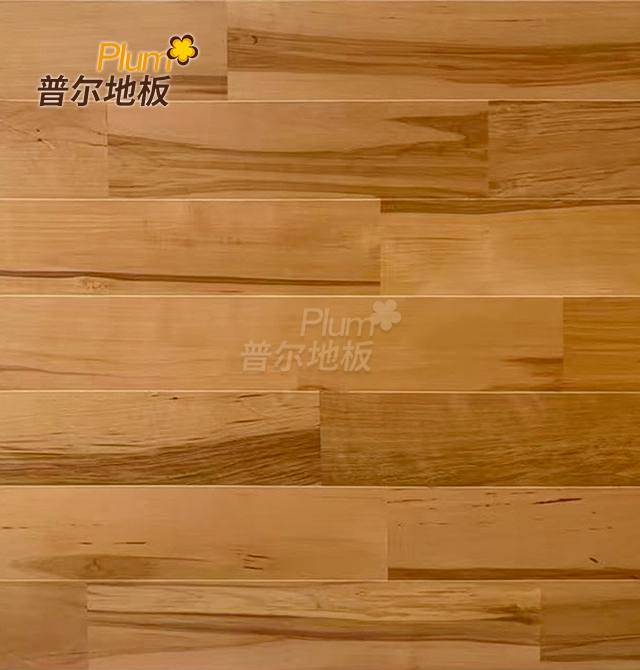
Birch solid wood flooring is known around the world as a durable choice for business, sports, and institutional places. Birch's high durability comes from its natural qualities, such as its dense grain structure, high Janka hardness rating of 1260 lbf, and excellent shock-absorbing abilities. Russian birch from harsh conditions, especially northern woods, grows with thicker growth rings because it matures more slowly. This makes the trees denser and more resistant to wear. With its advanced production methods and protective finishes, this flooring choice works well in gyms with a lot of foot traffic, dance studios, community sports centers, and business settings where durability affects the total cost of ownership.
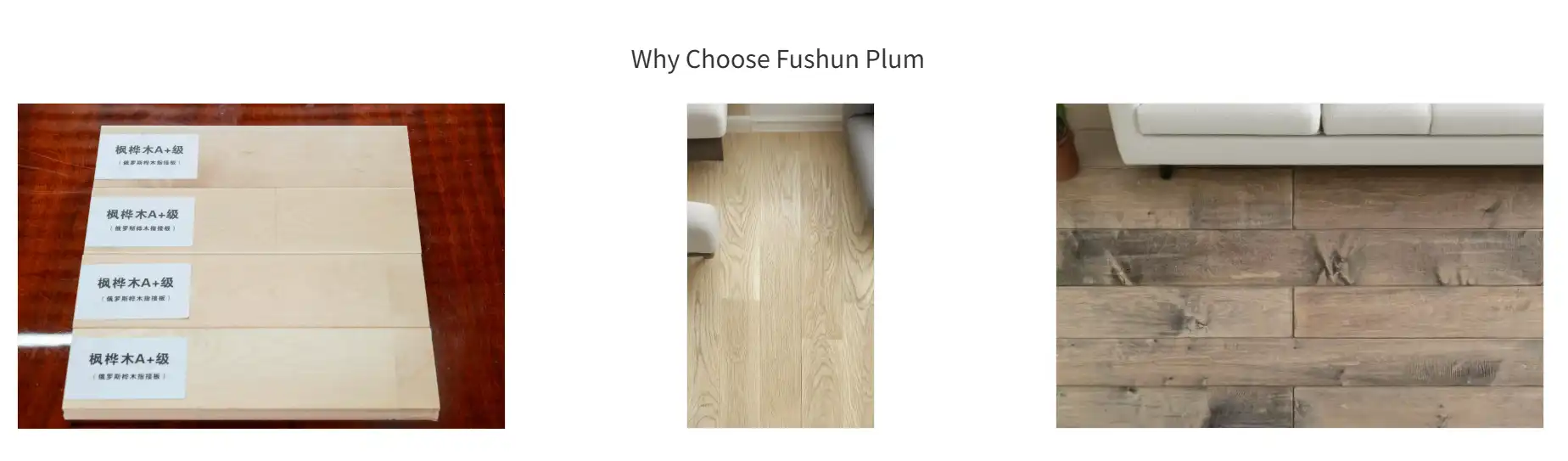
Understanding the Durability of Solid Birch Flooring
When choosing flooring for tough business uses, you need to know exactly what makes some species work better than others when they're under a lot of stress. Birch stands out because it has a number of natural qualities that make it very durable in ways that property managers, contractors, and procurement workers care about.
Natural Hardness and Dense Grain Structure
Birch wood's mechanical strength comes from the way its cells are arranged. Betula pendula, a type of Russian birch, has a dense grain pattern with few spaces between the growth rings. When the material is 12% wet and the shape is tight, its specific gravity is between 0.55 and 0.65, which means it has a bigger density. When you walk across a dense wood floor in a busy school gym, that's what keeps it from getting dented too soon from dropped equipment, rolling maintenance carts, or the concentrated pressure of sports shoes moving quickly from side to side.
Russian birch is 1260 lbf hard according to the Janka hardness test, which checks how much force is needed to drive an 11.28mm steel ball into wood until it's half its width is gone. This puts birch on the same level as Northern Red Oak and just a bit higher than many types of maple used in homes. This is good news for sports venue owners because the surface doesn't dent easily from impacts or wear down from constant foot traffic, so it doesn't need to be refinished all the time, which would mess up facility plans and waste money on upkeep.
Superior Wear Resistance Compared to Other Hardwoods
Durability isn't just about how hard something is; it also means how well it keeps its shape and look after being stressed for a long time. There are some good things about birch that make it better than both soft species like pine and some denser choices. Oak has an open-grain structure that can catch dirt and water in tiny holes. Birch, on the other hand, has a closed-grain surface. This feature is useful in sports areas where sweat, cleaning products, and tracked-in dirt would otherwise get into the wood fibers and break them down from the inside.
When it comes to dynamic loading conditions, birch performs better than walnut, which is another hardwood that is sometimes used for business spaces. Because walnut is so brittle, it can split when hit over and over again, which is a big problem in gyms where equipment is often moved or weights are dropped by mistake. Birch can handle these shocks without breaking because it has fine, delicate grains and is a tough material. This makes the service last a lot longer, which cuts down on both the number of replacements needed and the downtime that affects building operations.
Sustainable Harvesting and Environmental Considerations
When making modern purchasing choices, environmental effect and success metrics are being taken into account more and more. When compared to hardwood forests, birch forests grow back pretty quickly, especially in Russia's controlled forestry areas. Our buying agreements put an emphasis on safe harvesting methods that keep forests healthy and ensure a steady supply of raw materials. The birch we buy comes from managed forests that follow international environmental standards. This gives purchasing professionals a responsible option that meets their companies' sustainability requirements without sacrificing quality or resilience.
Because the species grows naturally in northern temperatures, it only takes shorter lengths to get raw materials from where they are harvested to where they are made, which lowers the carbon footprint of the process. When you add these environmental factors to the fact that birch solid wood flooring lasts a long time—often over 30 years in commercial installations with proper maintenance—the overall ecological profile becomes much better than that of alternatives that need to be replaced often or that come from fragile tropical forests.
Key Factors Influencing Birch Solid Wood Flooring Durability
Birch's natural qualities make it a strong base, but there are a number of things you can do that will have a big impact on how long your flooring will work at its best. When procurement teams understand these factors, they can set standards that improve durability and value.
Wood Grade Selection and Commercial Standards
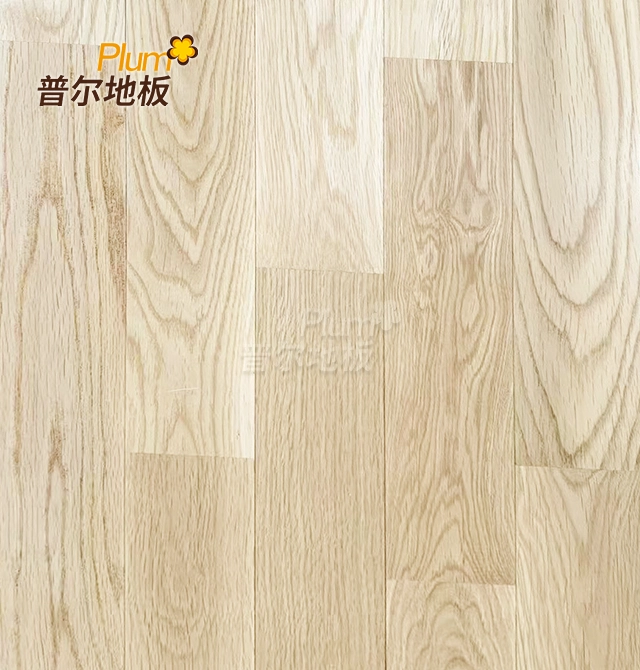
Not every type of birch solid wood flooring works the same way. Grading systems put planks into groups based on how they look and how consistent their structure is, which has direct effects on how long they last. Select grade birch has a uniform color and few knots or mineral streaks. This means that the wood was cut from the outer sapwood layers, where the fiber density stays the most consistent. This means that the whole floor will perform the same way every time. This is very important for sports places where uneven wear patterns could pose safety risks or mean that the floor needs to be refinished too soon.
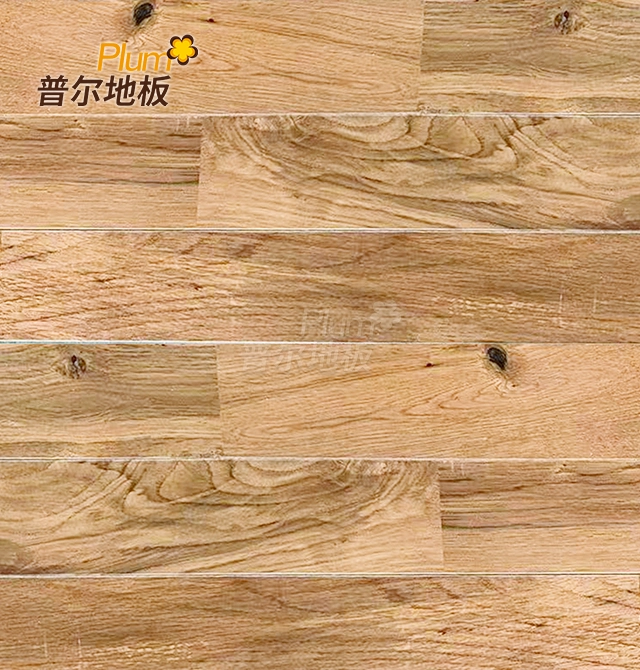
More character marks, like small knots and color variations, can be found in Natural and Rustic types. Even though these features may look good in some business settings, they can be structure weak spots when they are put under a lot of stress. If a lot of basketball players spin on the same spot, a small knot in an area that takes a lot of hits could turn into a split. We suggest Select or Natural grades for sports uses that need to last a long time. Rustic grades are better for business spaces with less foot traffic where the unique look is valued without sacrificing functionality.
Standards for making things also affect how long they last. At the time of production, our factories have strict rules about keeping the moisture content level between 6% and 9%. This controlled drying process makes sure that the dimensions stay the same after installation, which stops gaps and curves that happen with flooring that wasn't made well. Each board goes through several quality checks using accurate moisture meters and precise measuring tools. This makes sure that what you get for your project will work as planned for as long as it's in use.
Protective Finishes and Surface Treatments
No matter how hard a species of wood is, if the surface isn't properly protected, it can still be damaged by water, chemicals, and fast wear. The coating methods used during processing have a big impact on how long finished birch flooring lasts. When UV-cured lacquer finishes dry, they form a hard protected layer through photochemical bonding. This layer is more resistant to wear than regular air-dried coats. Multiple UV-cured coats are applied by our 90-meter automatic finishing line, which has exact control over film thickness and curing strength. This creates a protective barrier that greatly increases the life of the floor.
Aluminum oxide ingredients make surfaces even harder when they are mixed into finish mixtures. These very small ceramic particles are spread out in the finish film. They make a wear layer that stops grit from scratching the floor surface. In sports venues, where sand, dirt, and small stones will always come in through the doors, this extra protection keeps the surface from wearing down over time, which would damage the wood underneath and make it look bad.
Another option is oil-based finishes, which go deeper into the wood fibers instead of just adding more film to the top. Even though they need to be maintained more often, UV oil treatments make it easier to fix spots and give the hair a more natural look that some business clients like. For durability, the most important thing is to make sure that the type of finish you choose is right for the use area and the level of upkeep that your building operations team can do.
Installation Techniques and Subfloor Preparation
Even high-quality wood flooring with perfect finishing will not work well if it is not installed correctly. Birch wood naturally holds nails firmly, so it can be fastened securely and won't slowly come loose over time, which is what causes floors that aren't put down properly to squeak and move. Tongue-and-groove profiles in our normal sizes—18mm thick and 90mm or 120mm wide—have a lot of surface area for mechanical or adhesive binding, spreading stress loads across planks that are next to each other.
Long-term support is directly affected by how the subfloor is prepared. To stop humidity from moving up from below, concrete bases need to be tested for wetness and the right vapor barrier needs to be put in place. Wood subfloors need to be structurally evaluated to make sure they are stable enough and flat enough within the standards of the industry. Our technical team gives thorough installation instructions for a range of foundation conditions because they know that proper installation is what makes the difference between floors that last decades and floors that need repairs within the first few years.
Allowing time for acclimation before installation lets the wood get used to the conditions of the installation place. When this step is rushed to meet tight project deadlines, the dimensions often change after installation, leaving holes in the dry winter months or buckles in the hot summer months. We suggest acclimatization times of at least 72 hours in climate-controlled areas, and longer periods for large deliveries or installations in places where yearly humidity changes are very big.
Maintenance and Care to Maximize Durability
The natural durability of birch wood is the base, but regular care will decide whether your flooring lasts as long as it should or needs to be replaced before it's time. Creating clear rules that are special to your type of building will protect your investment and keep it running at its best and looking its best.
Recommended Cleaning Protocols and Preventive Measures
As part of daily upkeep, loose garbage that rubs against the floor when people walk on it needs to be cleaned up. This wear and tear on the machines can be stopped by dust cleaning or sweeping with soft attachments. This does not add water or chemicals. When it's time to clean up sweat, spills, or tracked-in dirt with water, pH-neutral cleaning products made just for hardwood floors protect the finish layer from chemical damage. Even though alkaline cleaners work well on many surfaces, they can remove protected finishes too quickly, leaving wood open to water damage and faster wear.
Taking preventative steps can make flooring last a lot longer with little cost. According to studies in the field of building management, entry matting systems remove dirt and moisture from wood surfaces before they reach them. This cuts the number of abrasive particles by as much as 80%. Putting in places where sports happen rules that shoes must be clean or placing shoe-cleaning stations near court doors get rid of a lot of the dirt that scratches surfaces. Protective pads under movable equipment like benches, scorekeeper tables, or repair tools spread out the weight and stop pressure points from forming that leave lasting marks.
Protecting an area during special events or holiday activities keeps floors in good shape in situations that are likely to be very stressful. Putting up temporary protected covers for events like graduations, trade shows, or moving equipment keeps damage from happening that would need to be fixed by a professional. The small price of these preventative products pays off big time because they save money on cleaning costs and make it longer between major repair projects.
Routine Inspection and Professional Refinishing
Setting up regular check times lets you find damage or wear patterns early, before they become big problems. Maintenance staff should do quarterly walkthroughs of the building to keep track of high-wear areas and look for finish wear, gaps opening up, or surface damage. Instead of letting problems spread across the whole floor, this proactive method lets you do targeted care, like adding more finish coats to areas that are showing early signs of wear.
Because birch solid wood flooring is made of solid wood, it can be refinished many times over the course of its life, which is a big advantage over thin-veneer manufactured goods. With an 18mm thickness, the floor can handle being sanded several times to get rid of damage to the surface and worn finishes, restoring it to almost brand-new state. Professional refinishing is usually needed every 8 to 12 years in high-traffic business settings, but this time can be greatly extended with daily upkeep. Being able to restore instead of replace means lower lifetime costs and less damage to the environment because materials don't have to be thrown away or made from scratch.
During the time between major refinishing projects, recoating services add new protection layers to clean, existing finishes that are still physically sound. This makes the finishes last longer. This care, which should be done every three to five years, is much cheaper than refinishing the whole thing and keeps the look and security. Including these upkeep schedules in the facility budget helps avoid the unexpected costs that come up when floors aren't taken care of and get so bad that simple repairs no longer work.
Comparing Solid Birch Flooring with Other Wood Flooring Options
When making a purchase choice, it helps to have objective comparisons that show how different flooring options work and how they affect the budget. Knowing how birch compares to other options helps partners understand why the material was chosen and makes sure that the product's features match the project's needs.
Solid Birch Versus Engineered Wood Products
Engineered flooring has a thin layer of hardwood glued to a body of plywood or composite materials. Even though improvements in making have made designed goods better, differences in their basic structure affect how long they last and how much they are worth in the long run. In manufactured goods, the veneer layer is usually between 2 and 4 mm thick, which means that they can only be refinished once or twice with light sandings before the core materials are exposed. Due to its 18mm solid wood construction, our birch solid wood flooring can be refinished many times, so it can be used during multiple rounds of building renovations.
Another thing to think about is dimensional stability. This is marketed as a benefit by engineered goods, and cross-ply construction does make it less likely for the wood to move than solid wood that hasn't been finished. This gap has shrunk a lot thanks to modern kiln-drying technology and controlled production methods. When our flooring is made with exactly controlled moisture content levels and put according to the right acclimation methods, it has the same level of stability as engineered goods while being easier to fix if it gets damaged.
Hardness and Longevity Comparisons Across Species
Comparing different types of woods shows subtle changes that make them better or worse for different uses. Oak is one of the most well-known industrial hardwoods. It has a Janka hardness rating of about 1290 lbf for white oak and 1220 lbf for red oak, which is about the same as birch. The main change is in the makeup of the grains. Oak's open grain pattern makes channels that trap dirt and wetness, making it harder to clean and more likely to get stained by spills that happen a lot in sports areas. The closed grain structure of birch makes it easier to maintain while keeping the same or higher level of strength.
Hard maple, which is often used for basketball fields and other sports floors, is a bit harder than birch. Its hardness rating is about 1450 lbf. There are some downsides to this extra hardness, such as making installation and repair work harder. The fact that maple trees turn yellow over time also changes how they look, especially in places that get a lot of natural light. Although birch changes color less often over time, it still has a light, warm look that makes places look better and better reflect light.
Pine and other softwoods have much lower Janka hardness scores—usually between 660 and 870 lbf—so they can't be used in industrial settings where longevity is important. Even though softwoods are cheaper to buy at first, they are not economically viable in lifetime cost studies because they wear out quickly and need to be replaced often. The extra cost of birch over softwoods is more than made up for by longer service intervals and lower upkeep costs, especially when spread out over the 30+ years that with proper care they can last.
Cost-Efficiency for Large-Scale Procurement
When choosing materials, you have to weigh the costs of buying them at first against the costs of owning them over time to find their true economic value. Because we make our products directly, there are no markups for distributors. This makes our birch wood competitive with lower-quality options while still providing better performance. Buying in bulk for big sports venue projects or institutional contracts with multiple buildings takes advantage of even more economies of scale. This is possible with volume-based price systems that make the project more cost-effective without lowering quality standards.
The total cost of a job is greatly affected by how well the installation is done. Birch wood is easy to work with because it has smooth cut surfaces and strong nail-holding power, which cuts down on labor time and waste caused by mistakes during installation. Contractors who know how to work with wood floors like these working features because they make the job go faster and cost less in labor. Our regular tongue-and-groove profiles make sure that the links between boards are tight and secure, and you don't need any special tools or make a lot of fitting changes, which takes time and adds to the cost of installation.
Long-term cost planning is the best way to see how birch wood can help your business. When you look at the total cost of ownership over a 30-year period, which includes buying the materials, installing them, maintaining them, refinishing them, and finally replacing them, you can see that high-quality materials that last longer have lower annualized costs than cheaper options that need to be replaced more often. When paired with our full insurance and technical support services, birch flooring is a risk-managed investment that meets performance needs and keeps capital budgets safe.
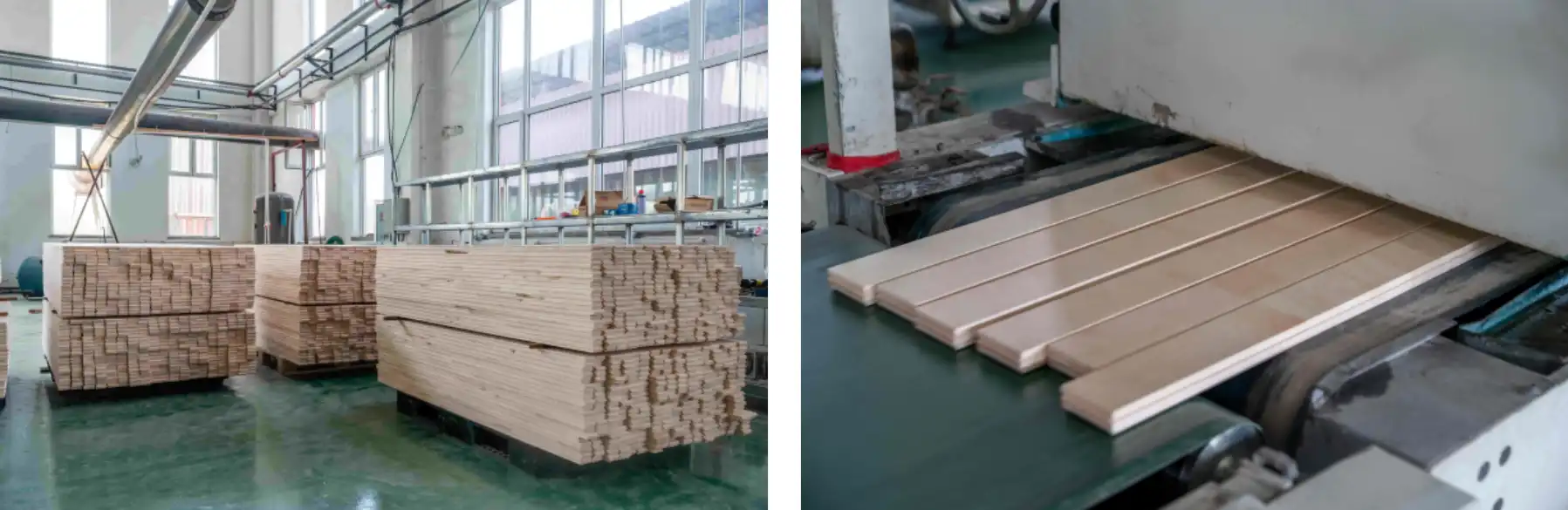
Procurement Insights and Supplier Selection for Birch Solid Wood Flooring
For trusted sources of high-quality flooring materials, you need to look at possible providers in more ways than just comparing prices. The connection with the supplier has a direct effect on the success of the project, the performance of the product, and the long-term satisfaction with the flooring system that was put.
Quality Metrics and Certification Standards
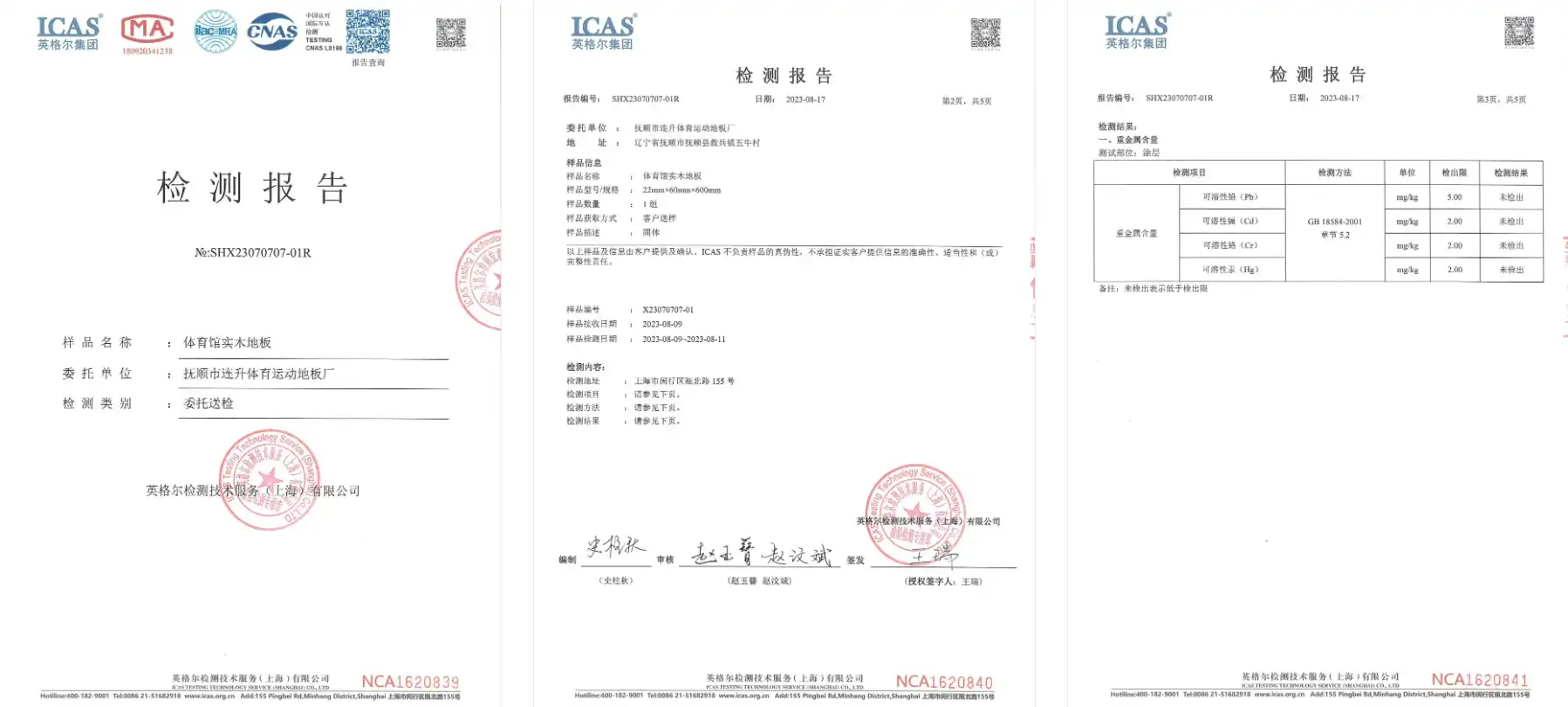
To tell one provider from another, start by looking at their quality paperwork and third-party certifications. ISO certification shows that a company follows quality management systems that are known and respected around the world. This gives customers faith that the manufacturing process has regular checks and ways to make things better. Independent inspectors have confirmed that we follow ISO standards. This guarantees stability from batch to batch, which is very important for big projects where flooring installations may take place over several shipments over long periods of time.
Environmental and safety certifications help handle growing worries about the quality of the air inside homes and the long-term durability of materials. E1 emission guidelines make sure that formaldehyde levels stay below strict European limits. This protects people's health in enclosed areas where off-gassing could build up. B1 fire performance scores list the burning characteristics needed by building codes and insurance companies. This is especially important in educational buildings where life safety rules require certain material properties. These licenses are more than just pieces of paper; they prove that the product you choose will do what you need it to do and won't cause any problems during checks or certificate of occupancy approvals.
The testing labs and licensing groups that issue these quality papers are verified by CNAS and IAF accreditation. This creates a chain of verification that can be checked and meets purchase due diligence standards. When reviewing a supplier's claims, asking for copies of their most recent certifications and checking their authenticity through databases maintained by the granting body is a good way to avoid falling for fake documents that are sometimes found in international trade.
Customization Capabilities and Project Support
Standard birch solid wood flooring products can be used in a lot of different situations, but for more complicated projects, the sizes, styles, or packages often need to be changed to make installation easier or meet certain design goals. Suppliers who can make things in a variety of ways can meet these needs without charging too much or taking too long to deliver. Our many production lines, which are stocked with German and Italian tools, allow us to make different kinds of products at the same time while keeping quality standards high for all special runs.
In addition to simple size changes, OEM and ODM services offer private labeling for wholesalers who want to build their own brand, as well as custom finish formulas and specialized surface textures. When engineering companies are working on multiple projects at the same time, they benefit from having sources who can help them with the technical side of writing specifications. This way, they can make sure that the product's features match the needs of the projects before placing an order. This early teamwork stops expensive changes or poor performance in the middle of a project, which slows it down and puts a pressure on relationships with clients.
Installation support services, such as technical documents, training materials, and quick technical help, are worth more than the product itself. Our team gives thorough installation instructions that are adjusted to different subfloor conditions and temperature zones. This lowers the chance of problems during installation that hurt the performance of the flooring. When questions come up during building, having direct access to skilled technical staff quickly fixes the problem. This keeps projects on schedule and stops the pointing of fingers that happens when product suppliers stay out of installation problems.
Supply Chain Reliability and Logistics
The supply of materials has a direct effect on the schedule for the job and the client's trust in the contractor. When suppliers keep a lot of goods on hand, they can quickly fill orders without having to wait for long lead times that mess up the order of building. Our factory keeps enough finished goods and raw materials on hand to be able to fill orders right away for standard specs and to work with the lead times needed for custom manufacturing projects.
Delivery capabilities include more than just shipping goods; they also include using the right packaging to keep items safe during transport, working with project schedules to make sure materials arrive when installation teams are ready, and being able to handle staged deliveries for big projects where on-site storage limits mean that full orders can't be received all at once. International shipping knowledge is needed for buying things abroad, dealing with customs rules, preparing paperwork, and making the best use of freight to avoid delays and extra costs.
Quality assurance continues after the product is delivered, with inspection routines making sure that products leave factories matching specs and get to their destinations in good shape. As part of our quality control measures, we check each package before it is shipped, make sure it is safe for the way it will be transported, and have quick claims handling procedures ready in case damage happens during shipping despite all the precautions we took.
Conclusion
Birch solid wood flooring is durable because the properties of the wood are carefully matched, it is made well, and it is properly sized for the use it is meant for. The dense grain structure, high Janka hardness, and shock-absorbing properties of Russian birch make it a great material for flooring systems that can stand up to tough conditions in sports venues, high-traffic commercial areas, and institutional buildings where durability directly affects the building's value.
To reach this level of longevity, you need to pay attention to the grade you choose, the protective finish you apply, the quality of the installation, and regular upkeep. These are all things that procurement professionals can control by choosing suppliers wisely and making sure specifications are clear. After working on more than 1,000 sports venues, we know what happens when high-quality materials are combined with strict manufacturing standards and full project support. The result is flooring solutions that protect capital investments and serve facility users well for decades.
Partner with a Trusted Birch Solid Wood Flooring Manufacturer
Work with a reliable company that makes birch solid wood flooring. For good flooring projects, you need sources who know how to make things, can handle transportation, and can help you with all aspects of the project. We at Fushun Plum Flooring Co., Ltd. are experts in solid wood flooring for sports and business uses. We can do everything from finding the raw materials to helping with the final installation. After finishing more than 1,000 sports venues in China and sending them to the US, UK, and Canada, we know what performance is needed and how to make it happen. You can email our team at plumflooring123@163.com to talk about your unique needs and ask for samples that show how committed we are to quality.

References
1. Forest Products Laboratory. Wood Handbook—Wood as an Engineering Material. United States Department of Agriculture Forest Service, General Technical Report FPL-GTR-282, 2021.
2. National Wood Flooring Association. NWFA Installation Guidelines and Moisture Testing Standards for Solid Hardwood Flooring. National Wood Flooring Association Technical Publication Series, 2022.
3. Hernández, Ricardo E., and Michael Bédard. "Properties and Utilization of Major Commercial Wood Species of the Betula Genus." Forest Products Journal 58, no. 3 (2008): 28-36.
4. International Organization for Standardization. ISO 17959:2014—Hardwood Flooring—Determination of Resistance to Chemical Agents. Geneva: International Organization for Standardization, 2014.
5. Dietenberger, Mark A. "Update for Combustion Properties of Wood Components." Fire and Materials 26, no. 6 (2002): 255-267.
6. Wang, Songlin, and Christopher G. Hunt. "Time-Dependent Stability of Clear Wood Finishes: A State-of-the-Art Review." Forest Products Journal 61, no. 2 (2011): 92-103.
Get Price, Catalog, and Professional Flooring Solutions