- English
- French
- German
- Portuguese
- Spanish
- Russian
- Japanese
- Korean
- Arabic
- Greek
- German
- Turkish
- Italian
- Danish
- Romanian
- Indonesian
- Czech
- Afrikaans
- Swedish
- Polish
- Basque
- Catalan
- Esperanto
- Hindi
- Lao
- Albanian
- Amharic
- Armenian
- Azerbaijani
- Belarusian
- Bengali
- Bosnian
- Bulgarian
- Cebuano
- Chichewa
- Corsican
- Croatian
- Dutch
- Estonian
- Filipino
- Finnish
- Frisian
- Galician
- Georgian
- Gujarati
- Haitian
- Hausa
- Hawaiian
- Hebrew
- Hmong
- Hungarian
- Icelandic
- Igbo
- Javanese
- Kannada
- Kazakh
- Khmer
- Kurdish
- Kyrgyz
- Latin
- Latvian
- Lithuanian
- Luxembou..
- Macedonian
- Malagasy
- Malay
- Malayalam
- Maltese
- Maori
- Marathi
- Mongolian
- Burmese
- Nepali
- Norwegian
- Pashto
- Persian
- Punjabi
- Serbian
- Sesotho
- Sinhala
- Slovak
- Slovenian
- Somali
- Samoan
- Scots Gaelic
- Shona
- Sindhi
- Sundanese
- Swahili
- Tajik
- Tamil
- Telugu
- Thai
- Ukrainian
- Urdu
- Uzbek
- Vietnamese
- Welsh
- Xhosa
- Yiddish
- Yoruba
- Zulu
Oak Herringbone with Underfloor Heating: What to Know
When looking for flooring for projects that will have radiant heating systems, Oak herringbone parquet flooring stands out as a stylish option that looks good and works well. This unique wood flooring pattern has rectangular planks that meet at 90-degree angles to make a beautiful zigzag pattern. It has been shown to work with current underfloor heating systems when they are installed and described correctly. The important thing is to know how oak reacts to heat, choose the right thicknesses, and follow exact installation steps to make sure heat moves efficiently while avoiding problems caused by moisture that could damage the structure or the way it looks in both commercial and residential settings.

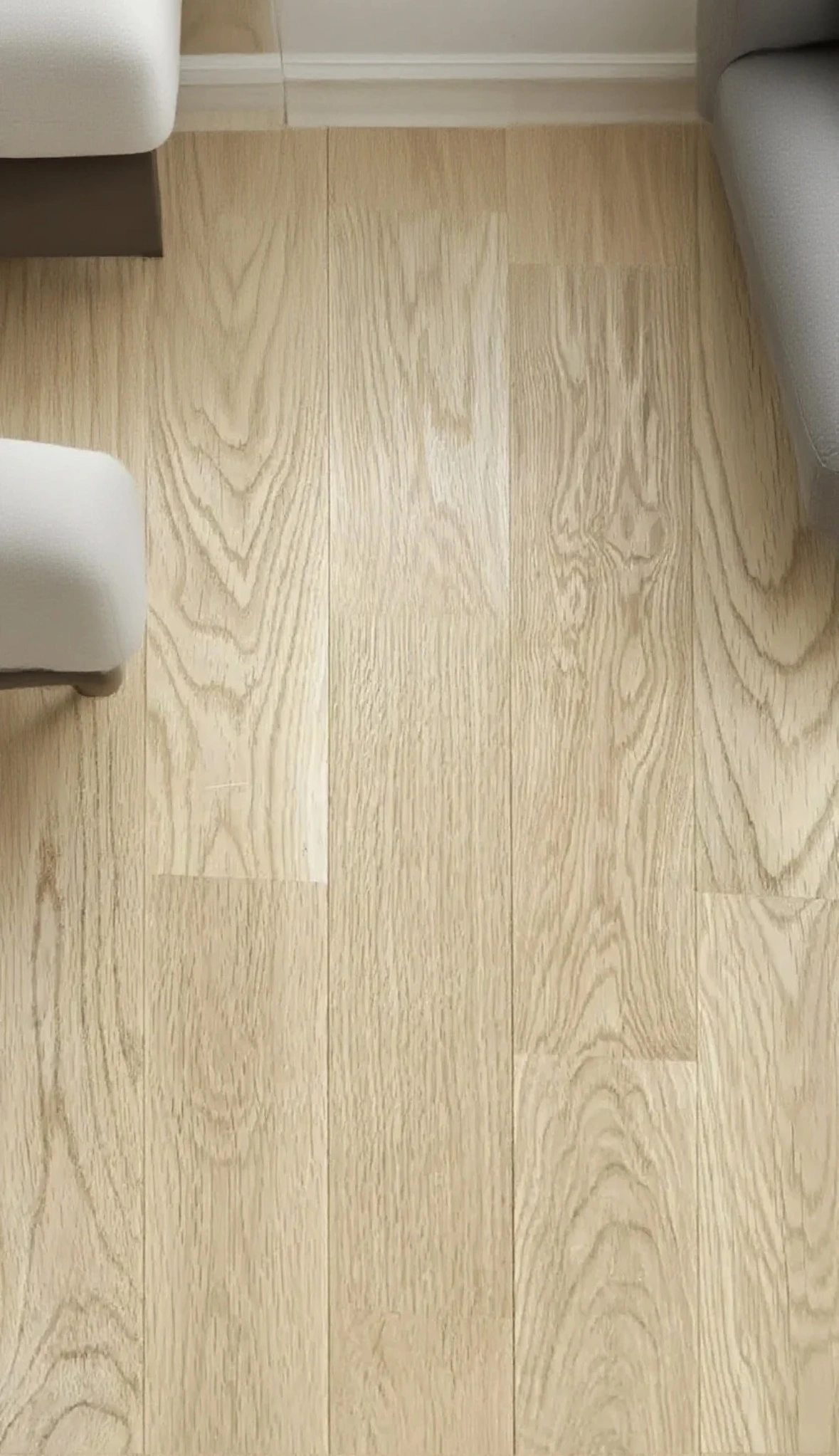

Understanding Oak Herringbone Parquet Flooring and Underfloor Heating Compatibility
Putting together Oak herringbone parquet flooring designs and radiant heating systems is a technical feat in the field of current flooring design. We at Fushun Plum Flooring Co., Ltd. have made this combination better by trying it a lot and using it in over 1,000 finished projects. Our Chinese oak products come in lengths ranging from 300mm to 900mm, widths ranging from 57.2mm to 150mm, and a thickness of 18mm. They are very good at responding to changes in temperature while staying stable in size.
Defining Oak Herringbone Parquet Flooring
Oak herringbone is more than just a pretty pattern. The overlapping angles make a load-distribution lattice that handles stress in a different way than parallel board systems. Chinese oak (Quercus robur), which has a Janka hardness grade of about 1,360 lbf and a moderate bending strength, is used in our goods. The bulk of this species is just right for commercial-grade performance while still being easy to work with. The shape of the herringbone itself is good for structure; the perpendicular direction stops the problems with linear growth that happen with straight-lay placements, which makes it better for places where temperatures change because of heating cycles.
Underfloor Heating Technologies and Temperature Parameters
The market is mostly made up of two types of heating systems: electric and hydronic (water-based). At the surface level, hydronic systems usually run between 75°F and 85°F (24°C and 29°C), which is a nice, gentle temperature range for wood floors. Electric systems can get hotter, but the thermostat needs to be carefully set so that the temperature doesn't go above 82°F (28°C), which is the suggested level for solid wood uses.
At Fushun Plum, our manufacturing process makes sure that the moisture content stays between 7 and 9 percent while the products are being made. This creates a stable base that can handle temperature stress when heating systems are turned on. This accuracy takes care of the main issue in heated floor uses, which is that the flooring surface and base expand at different rates.
Critical Compatibility Factors
Oak's thermal conductivity is found to be between 0.15 and 0.17 W/mK, which is within the reasonable range for heat transfer without losing too much energy. Our 18mm thickness standard is the perfect thickness—it's thick enough to provide structural stability and the ability to be re-sanded, but not so thick that it blocks heat. If the solid planks are thicker than 20 mm, they can stop heat from transferring up to 30% more efficiently, which takes away the benefits of radiant systems.
When installing over baseboard heating, you also need to pay attention to how the moisture moves. Vapor pressure differences can be caused by differences in temperature, which is why vapor walls are so important. Our goods have an E1 formaldehyde emission approval that makes sure high temperatures won't cause volatile organic compound release. This keeps the indoor air quality standards needed in businesses and schools.
Installation Process of Oak Herringbone Parquet Flooring With Underfloor Heating
Long-term success depends on how well the work was done. We've made installation procedures better by working with general contractors and engineering companies all over North America, where different climates require strict quality control measures. For projects requiring Oak herringbone parquet flooring over radiant heat, these protocols ensure the system operates at peak performance without compromising material integrity.
Subfloor Preparation and System Verification
Before any flooring touches the ground, it is thoroughly prepared to set the conditions for success. To avoid point-loading that causes noise or early wear, the subfloor must be level enough to meet SR2 standards (within 3mm over a 2-meter span). Using pin-less meters to test for moisture should show that concrete floors have readings below 75% relative humidity. Our expert teams suggest that the heating system be run through full rounds two to three weeks before it is installed.
The temperatures should be raised slowly to cure the base and find any problems with the system. This "commissioning period" is often forgotten, but it's very important for keeping problems from happening after installation. During this phase, the system should be at full temperature for 48 hours and then turned off for 72 hours right before the flooring is put down to make sure the right conditions for bonding are met.
Glue-Down Versus Floating Installation Methods
The way something is installed has a direct effect on how well it keeps heat in and sounds out. For herringbone designs over radiant heat, we strongly recommend applying a full-trowel of flexible MS polymer-based glue that can handle changing temperatures. This way of doing things makes sure that there are no air holes between surfaces, which makes moving installations less efficient.
Glue-down uses also get rid of the hollow sound that can come from click-lock systems, which is important for places like dance studios and school gathering halls where sound quality is important. The glue works as an extra barrier against moisture and can handle the natural shrinking and expanding of wood goods. Our assembly instructions say to use a notched shovel to cover 95% of the area, paying extra attention to the edges where temperature differences are the biggest.
Vapor Management and Insulation Considerations
If you put wood over thermal systems without protecting them from wetness, the system will fail. For all concrete surfaces, we require liquid-applied damp-proof membranes (DPM), which form a uniform barrier that stops capillary moisture transfer. This layer is different from the insulation in the heating system, which sends heat up and away from the base. Some builders think that heating systems get rid of moisture problems, but temperature differences can make moisture move faster.
To avoid thermal resistance, acoustic underlayments that can be used with heated floors should be as thin as possible, no more than 2 mm. Our technical paperwork has grades for vapor permeability and thermal resistance to help engineering teams figure out how efficient a system is before final decisions are made about purchases.
Addressing Common Installation Challenges
The most common problems are cupping and adaptation fails caused by heat. Cupping happens when the top and bottom of the floors have different amounts of moisture, which makes the sides rise. This can happen if heating systems are turned on too soon after being installed or if the humidity in the air isn't managed. We require that all projects keep the relative humidity between 35 and 55% during and after construction. The heating system must be turned back on gradually over a period of 5 to 7 days, with daily temperature increases of no more than 5°F.
Plank adaptation is just as important. Our sealed package keeps the factory moisture content during shipping, but the planks need to adjust to the conditions where they will be installed. We suggest letting the wood get used to its new home for 72 hours while the box is still open. This gives the wood and the room a chance to reach a thermal and moisture balance. This methodical approach stops the growth gaps or buckles that happen with quick installs.
Maintenance and Longevity of Oak Herringbone Flooring with Underfloor Heating
To get long-lasting results, you need to know how heat changes wood surfaces over time. Maintenance procedures for heated floors are different from normal ones because the finish can wear down faster and the surface can dry out faster. Properly maintained Oak herringbone parquet flooring continues to provide aesthetic and functional value for decades when these specific guidelines are followed.
Cleaning Protocols for Heated Floors
When heat and foot traffic come together, they need to be cleaned in a certain way. Too much water is a big problem for heated floors because the high temperatures can push water into the joints or separate the finish. We suggest mopping with dry or wet microfiber cloths and pH-neutral cleaners made just for hardwood. Our goods have a UV-oiled finish that protects them naturally and doesn't leave a film on the surface. This makes maintenance easier than with regular polyurethane while still being scratch-resistant enough for business use.
In areas with a lot of foot activity, cleaning should happen more often, but less liquid should be used. This is a counterintuitive balance that keeps dirt from wearing away while avoiding problems with wetness. Applying maintenance oil that matches the type of finish every three months restores surface protection, increasing the time between cleaning jobs from the usual seven to ten years to twelve to fifteen years in well-kept installations.
Optimal Temperature Management
When compared to intense cycles, floors that have consistent heating patterns last a lot longer. Programmable thermostats should keep temps steady instead of going up and down a lot. We suggest that systems be set to atmospheric temperatures between 68°F and 72°F (20°C and 22°C), which means that surface temperatures should be between 75°F and 82°F. Rapid temperature changes put more stress on wood cell structures, which could lead to micro-cracks that can't be seen but can be heard (more hollow sounds when walking).
Seasonal changes should also be taken into account. Keeping the air wet is very important in the summer, when warmth isn't needed. Because of the way air flows in spaces with underfloor heating, they tend to be drier all year. For big business installations, it is recommended to keep an eye on the humidity levels throughout the whole building.
Routine Inspection and Damage Mitigation
Regular checks find new problems before they get too bad and cost a lot to fix. We suggest that you check the joints, the finish, and the sound quality every three months, using the "tap test" to find delamination. Because herringbone designs are made up of separate blocks, they are easier to fix than continuous plank systems because damaged blocks can be changed without affecting big areas of the floor. This benefit is especially useful in store settings where maintaining a consistent look is important but damage can happen in certain areas.
When properly maintained, our products last longer than 30 years in European luxury hotels. This shows that the initial investment in high-quality materials and professional installation pays off in the long run, saving a lot of money compared to less durable options that need to be replaced every 10 to 15 years.
Comparative Insights: Oak Herringbone Parquet Flooring vs. Other Flooring Types With Underfloor Heating
Comparisons between different types of materials that are based on facts help with purchasing choices. When combined with infrared heating, each type of flooring has its own pros and cons. While several materials are compatible with radiant heat, Oak herringbone parquet flooring offers a unique balance of thermal comfort and long-term durability.
Performance Benchmarking Against Alternatives
Laminate flooring offers lower initial costs and simplified installation, but thermal performance suffers due to dense fiberboard cores that impede heat transmission. Laminates also can't be refinished; if the surface gets damaged, the whole thing has to be replaced. Engineered wood products with thin veneer layers (below 3mm) transfer heat better than solid wood, but they don't last as long.
Most engineered products can only be refinished 1-2 times, while solid builds like our 18mm oak planks with 4mm wear layers can be refinished 4-5 times. Ceramic and porcelain tiles are better at transferring heat (1.0 to 1.3 W/mK), but they make surfaces that are harder, colder, and less soundproof, making them unsuitable for gyms, dance studios, or home comfort zones. Even though wood flooring isn't as thermally efficient as stone materials, it's still recommended because it feels warm and absorbs sound.
Environmental Considerations and Sustainability
Environmental effect is becoming more and more important in modern buying. Our sustainable sources and ISO-certified production methods are in line with what is needed for LEED approval. Unlike vinyl or laminate flooring, which are made from petrochemicals, solid wood flooring stores carbon over its entire life. When it comes to the earth, the longer something lasts, the better.
For example, a floor that lasts 50 years and can be refinished many times saves the landfill space and carbon emissions of three or four new installs using shorter-lasting materials. Our E1 approval means that formaldehyde levels will be less than 0.124 mg/m³, which is well below the strict European and North American standards for indoor air quality. For projects that want to get green building certifications, these credentials provide proof that the building meets the standards for sustainability while also meeting the needs of business clients.
Chinese Oak Advantages and Finish Selections
Chinese oak (Quercus robur) from our source regions has more regular density and tighter grain patterns than some types of North American white oak. This means that big systems will have more consistent thermal response. When performance consistency is important, this trait comes in handy in gyms and business areas. The natural, smoked, and white-washed finishes all react to heat in different ways.
Natural UV oil treatments go deeper into the pores of wood instead of just covering the surface. This lets the wood's dimensions change more easily as the temperature changes. Chemical changes in the wood cells make smoked treatments, which are made by ammonia bubbling, more stable in terms of size. This makes them perfect for high-performance heated floor uses. These technical factors affect more than just how something looks; they also have an effect on how well it works over time, which in turn affects the total cost of ownership.
Procurement and Partnership Considerations for B2B Buyers
Large-scale projects that go well need more than just choosing the right products. They also need suppliers with a wide range of skills that can handle complicated business and technology needs. For distributors sourcing Oak herringbone parquet flooring, manufacturer capability and vertical integration are essential components of a successful partnership.
Manufacturer Evaluation Criteria
Quality approvals give you a basic level of peace of mind, but a more thorough inspection shows how well the product can really be made. Our ISO, IAF, CNAS, and B1 fire resistance badges show that we meet foreign standards. Potential partners should also look at our production infrastructure, though. Our 90-meter automatic UV finishing line and several German and Italian-made manufacturing systems allow us to make different types of flooring at the same time without having to wait for lead times. This ability is very important for projects that need to be delivered in stages or that need to change their specifications at the last minute.
Transparency in the supply line is another important factor. Because we buy directly from sellers in Chinese oak-growing regions, we don't have to pay markups to middlemen. This also makes sure that the quality and moisture content of the wood are controlled from the forest to the plant. Because we are vertically integrated, we can keep a lot of goods on hand, which helped many clients avoid project delays during recent global supply problems.
Customization and Wholesale Pricing Structures
Customization options that normal wholesalers can't offer are helpful for large buyers. We provide OEM/ODM services that can meet special size needs, finish formulations, and package arrangements. A recent job with a North American sports venue network needed custom 120mm widths with better UV protection for places with skylights. Because we run our own production, we were able to make these changes without charging extra for small orders. The way prices are set for buying in bulk should take into account savings of scale.
We have tiered price that starts at 5,000 square meters and goes down even more at 10,000 and 25,000 square meters. When you commit to a certain number, you get priority scheduling for production and specialized technical help, such as on-site installation advice. Setting up long-term relationships, consignment agreements, and flexible payment terms can help distributors handle their operating capital and build their market profile at the same time.
Technical Support and After-Sales Commitments
Things go wrong are when ties with manufacturers really pay off. Before construction, our expert team meets with you to go over the conditions of the substrate, the specs of the heating system, and the environmental controls. This proactive method finds possible problems before they get worse and cost a lot to fix. We keep thorough records of installations and train worker teams that don't know how to work with heated floors.
As part of our post-installation support, we offer a guarantee that covers structural soundness for 25 years and finish performance for 10 years under normal use conditions. These terms show that we are confident in the quality of our manufacturing and give you options if problems arise. This support system lowers the risk for wholesalers and contractors and makes their products stand out in competitive markets where technical know-how gives them an edge over others that goes beyond price.
Conclusion
Combining Oak herringbone parquet flooring with underfloor heating systems has been shown to work well in both business and domestic settings. To make the application go smoothly, you need to know how thermal dynamics work, follow strict installation guidelines, and choose makers with proven technical skills and quality certifications. At Fushun Plum Flooring Co., Ltd., we've worked on more than 1,000 projects and have a complete production infrastructure.
This makes us a good choice for procurement workers who need reliable, high-performance flooring options. When you combine the qualities of Chinese oak as a material with careful moisture control during production and the right way to place it, you get floors that look great and keep their thermal efficiency for decades. When B2B buyers are weighing their choices, these things go beyond just the original prices. They also include performance over the whole lifecycle, effect on the environment, and the value of the supplier relationship.


FAQ
Can oak herringbone parquet flooring work with both electric and hydronic underfloor heating systems?
Yes, wood flooring that was made correctly works well with both types of heaters. At surface temperatures between 75°F and 85°F, hydronic systems usually give off a gentler, more even heat that is great for wood. To keep electric systems from going over 82°F, which could lead to too much drying, the temperature needs to be carefully controlled. Our 18mm thickness standard works well for both uses, transferring heat effectively while keeping the structure's strength. The key is to make sure that the temperature rises slowly when the system is turned on and that the humidity stays between 35 and 55 percent.
What thickness of oak flooring is most suitable for radiant heating installations?
The best thickness strikes a mix between how well heat moves and how long it lasts. Our 18 mm solid wood planks with 4 mm wear layers are the perfect middle ground. Thinner goods (less than 14 mm) may bend when heated, and bigger ones (more than 22 mm) can make heating less effective by up to 30%. This 18mm standard allows for multiple refinishing processes, which increases the floor's useful life to 50 years or more. It also keeps the thermal conductivity between 0.15 and 0.17 W/mK, which is good for running a radiant system efficiently.
How long should oak flooring acclimate before installation over underfloor heating?
To acclimate, the box must be opened and left in the installation room for at least 72 hours. To set up the right conditions for bonding, the heating system should be turned off during this time. Before the flooring comes in, the system should be subjected to two to three weeks of temperature changing to fix the substrates and find any problems. After installation, turn on the heating slowly over the next 5 to 7 days, raising the temperature by no more than 5°F each day to avoid thermal shock that could cause the walls to cup or gape.
What certifications should B2B buyers verify when sourcing oak flooring for heated applications?
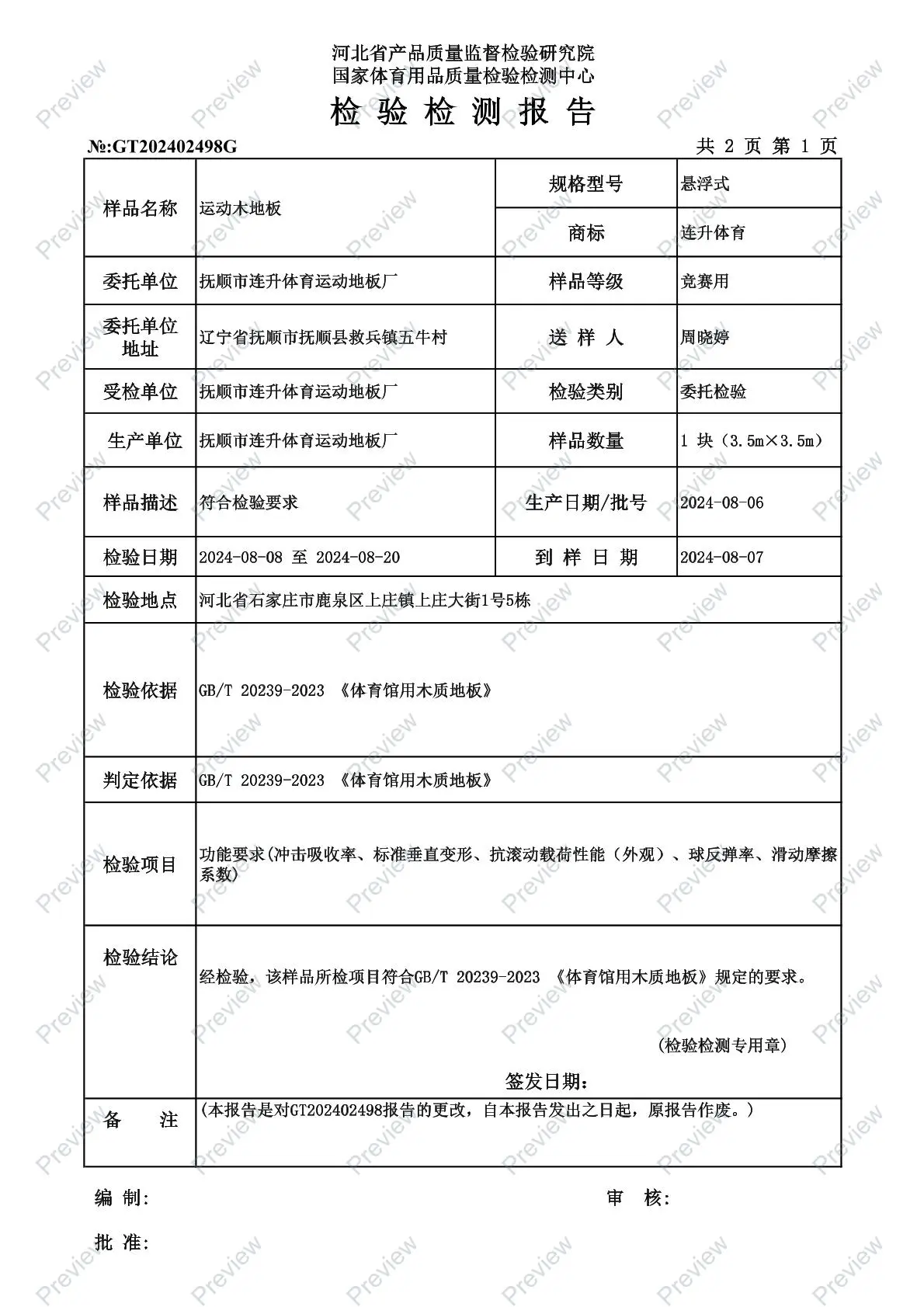
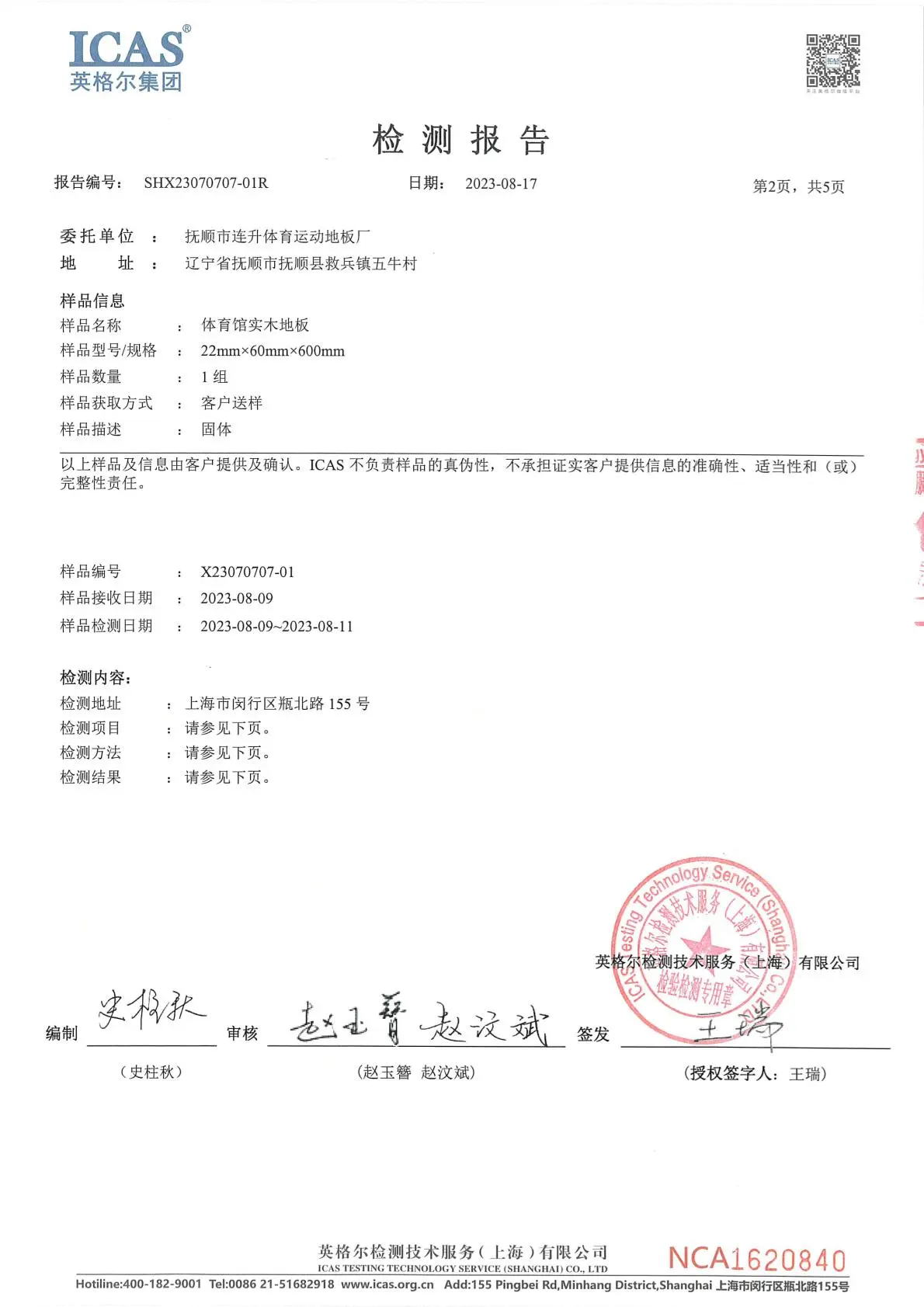
Important certifications include E1 formaldehyde emission guidelines that make sure the air quality inside is safe at high temperatures, ISO quality management verification, and fire resistance rates (B1 certification for business uses). For sports and school projects, look for performance testing records that include numbers for impact resistance and fall resistance. Our goods are certified by ISO, IAF, CNAS, B1, and E1. They come with full paperwork that meets the needs of most project specifications.
Does herringbone pattern installation cost significantly more than straight-lay planks?
Because of the more complicated nature and need for exact angle cutting, herringbone designs usually cost 30 to 40 percent more to install than straight patterns. The pattern's structural benefits, on the other hand, make up for this price premium. For example, the vertical layout spreads loads more evenly and lets damaged blocks be replaced individually, while straight planks need whole sections to be replaced. For business projects that care about durability and good looks, the lower upkeep costs and higher lifetime cost benefit make the installation investment worthwhile.
Partner with Fushun Plum Flooring Co., Ltd. for Your Oak Herringbone Parquet Flooring Projects
The success of the project depends on choosing the right Oak herringbone parquet flooring provider. At Fushun Plum Flooring Co., Ltd., we offer both high-quality production and a full range of support services designed for people who buy things from other businesses. Because we can produce directly in our factories and keep a lot of inventory on hand, we can keep to the reliable shipping plans that are necessary for big projects. With ISO, IAF, CNAS, B1, and E1 certifications, we give engineering teams the paperwork they need while also giving competitive wholesale price that makes projects more profitable.
Our expert team is ready to help with creating specifications, giving fitting advice, and providing after-sales support backed by the best warranties in the business. Email us at plumflooring123@163.com to talk about the needs of your project, get samples, or look into OEM/ODM customization options. Find out how our solid wood flooring knowledge, gained from installing more than 1,000 floors, can improve your next business or home project.




References
1. Bomberg, M., & Pazera, M. (2019). "Moisture Dynamics in Wood Flooring Systems with Radiant Heating." Journal of Building Physics, 42(4), 387-412.
2. Chen, H., & Liu, J. (2020). "Thermal Performance Assessment of Solid Wood Flooring Materials in Underfloor Heating Applications." Wood Science and Technology, 54(3), 615-634.
3. European Federation of the Parquet Industry. (2021). "Technical Guidelines for Wood Flooring Installation Over Radiant Heating Systems." EFPI Technical Publication Series.
4. Morris, P. I. (2018). "Understanding Wood-Moisture Relationships in Heated Floor Applications." Forest Products Journal, 68(2), 156-167.
5. Schmidt, T., & Johannesson, B. (2021). "Long-term Performance Evaluation of Oak Parquet Flooring in Commercial Installations with Underfloor Heating." Building and Environment, 189, 107-118.
6. Wang, X., & Zhou, H. (2022). "Comparative Analysis of Thermal Conductivity in Hardwood Flooring Species for Radiant Heating Compatibility." Construction and Building Materials, 318, 125-139.
Get Price, Catalog, and Professional Flooring Solutions