- English
- French
- German
- Portuguese
- Spanish
- Russian
- Japanese
- Korean
- Arabic
- Greek
- German
- Turkish
- Italian
- Danish
- Romanian
- Indonesian
- Czech
- Afrikaans
- Swedish
- Polish
- Basque
- Catalan
- Esperanto
- Hindi
- Lao
- Albanian
- Amharic
- Armenian
- Azerbaijani
- Belarusian
- Bengali
- Bosnian
- Bulgarian
- Cebuano
- Chichewa
- Corsican
- Croatian
- Dutch
- Estonian
- Filipino
- Finnish
- Frisian
- Galician
- Georgian
- Gujarati
- Haitian
- Hausa
- Hawaiian
- Hebrew
- Hmong
- Hungarian
- Icelandic
- Igbo
- Javanese
- Kannada
- Kazakh
- Khmer
- Kurdish
- Kyrgyz
- Latin
- Latvian
- Lithuanian
- Luxembou..
- Macedonian
- Malagasy
- Malay
- Malayalam
- Maltese
- Maori
- Marathi
- Mongolian
- Burmese
- Nepali
- Norwegian
- Pashto
- Persian
- Punjabi
- Serbian
- Sesotho
- Sinhala
- Slovak
- Slovenian
- Somali
- Samoan
- Scots Gaelic
- Shona
- Sindhi
- Sundanese
- Swahili
- Tajik
- Tamil
- Telugu
- Thai
- Ukrainian
- Urdu
- Uzbek
- Vietnamese
- Welsh
- Xhosa
- Yiddish
- Yoruba
- Zulu
Choosing the Best Oak Wooden Flooring
In order to choose the best wooden flooring oak for your project, you need to take into account a number of different aspects, including how well it will work, how it will look, and how much it will ultimately cost. Oak is still the best wood for both business and household uses because it has a Janka hardness of about 1,360 lbf, beautiful grain patterns, and a track record of lasting in high-traffic areas. Whether you're furnishing a sports facility, a store, or a school, knowing the differences between red oak and white oak, as well as important details like dimensional stability and certification compliance, helps you make smart purchasing decisions that balance short-term cost concerns with long-term value.
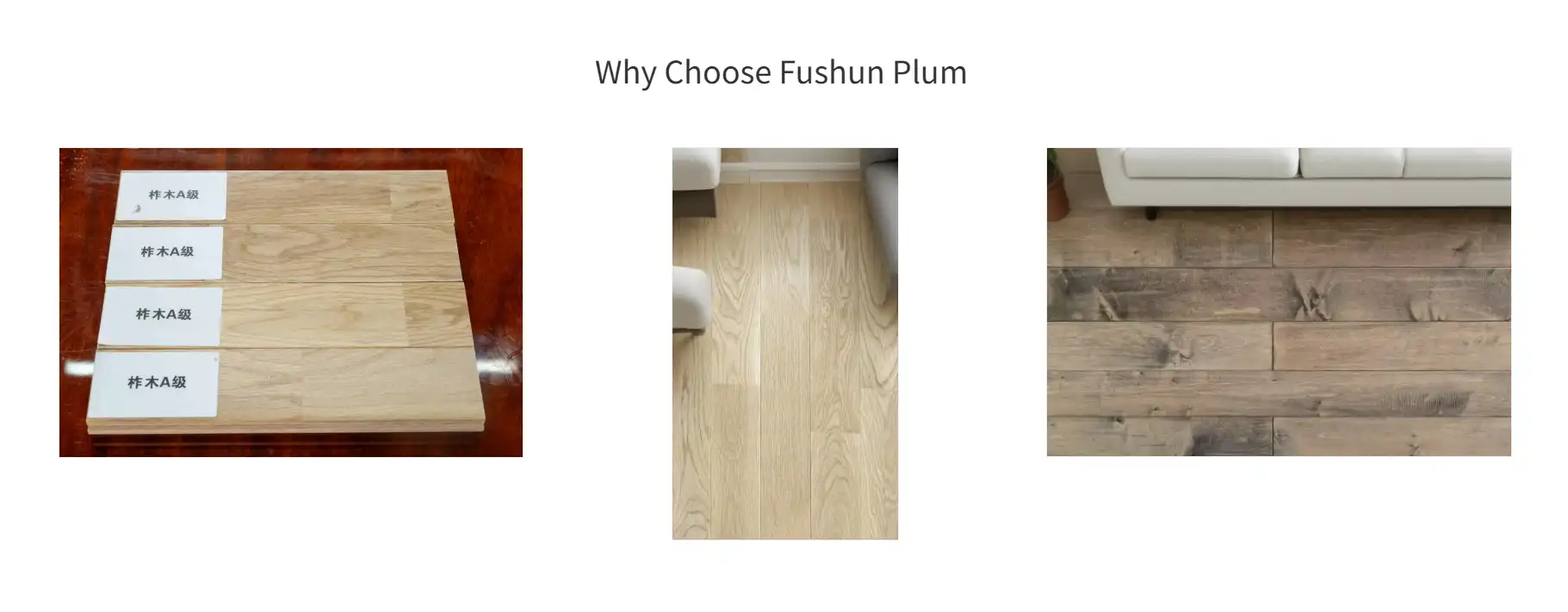
Understanding Oak Wooden Flooring: Types, Styles, and Benefits
For a wide range of settings, from sports arenas to business offices, oak flooring has become the standard. The material is naturally hard and heavy, and its bending strength and rigidity are both modest. This makes it perfect for harsh settings where performance must not be sacrificed.
Distinguishing Red Oak from White Oak
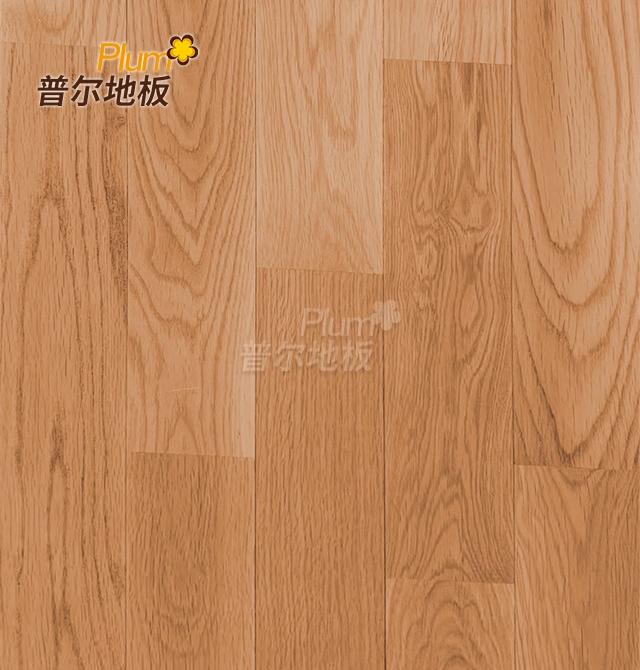
The main choice between these two species affects every part of the floor you end up with. Red oak comes mostly from trees in the eastern United States. It has a warmer pinkish undertone and a lot of different grain patterns. This species has a classic look that looks great in both standard business settings and educational sites. Many builders choose the open grain structure for historical projects because it gives the wood a unique texture.
White oak has a completely different shape. The colors in this species are cooler, with hints of gray or yellow, and the grain patterns are tighter and straighter. The closed-cell structure makes it more resistant to water, which is very important for places that get a lot of wetness, like gym entrances or business kitchens. White oak has an average density of 720–760 kg/m³, which is a little higher than red oak. It also has better soundproofing qualities that are valued in office and multi-use rooms.
Grade Selection for Commercial Applications
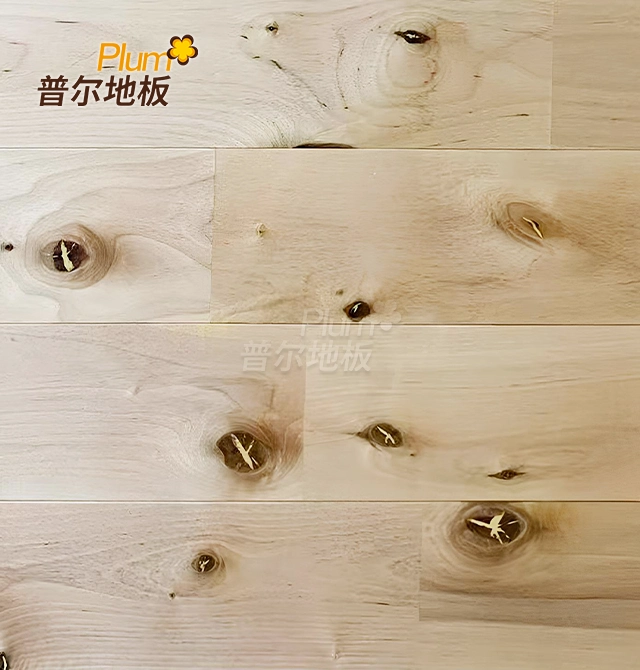
Professional buying means meeting grade requirements to the level of use. Prime (AB Grade) oak has few knots and even distribution of sapwood, which makes it perfect for high-traffic areas like company lobbies and storefronts where uniformity in appearance is important for how people see a brand. As an ABC grade wood, Select/Natural has some small knots and natural color variations that give it a genuine look that is popular in schools and community centers. Rustic (CD Grade) has unique character marks and bigger filled knots that give it the historical look that is needed for remodeling projects and small hospitality places.
Solid versus Engineered Construction
In climate-controlled spaces, solid wood flooring keeps its shape, but it can't be used in places with radiant heating systems or below-grade installs. Engineered wooden flooring oak gets around these problems with cross-laminated plywood bases that work against the oak lamella's natural expansion rate. When surface temperatures change from 18°C to 27°C, which happens a lot in hydronic radiant systems, designed construction keeps solid wood setups from gapping and checking. We make designed choices with wear layers between 4 and 6 mm, which lets you refinish them more than once while still being thermally conductive enough for underfloor heating (R-value of about 0.10 to 0.17 W/mK).
The environmental considerations carry increasing weight in modern procurement decisions. Sustainable requirements in North American and European markets are met by oak that comes from woods that are handled in a responsible way. The hygroscopic properties of the material naturally control the level of humidity inside, which improves the air quality in occupied areas. This performance characteristic is measured in biophilic design standards for company offices.
Oak Wooden Flooring vs Other Flooring Options: A Comparative Analysis
Teams in charge of buying things regularly compare oak to other materials to get the best value for money and performance. This comparison tool makes it clear when oak is the best choice and when other options might be worth looking at.
Solid Oak versus Engineered Alternatives
Solid wood construction can be refinished the most (usually 5–7 times over a 30–50-year service life), but it needs to be stable between 35 and 55% relative humidity. Engineered wooden flooring oak gives up some cleaning cycles (3-5 sandings for 6mm wear layers) but makes installation easier on tough surfaces like concrete slabs and radiant heating systems. The Water Boil Proof (WBP) glue used in high-quality engineered goods can handle localized humidity jumps of up to 60–65%. This means that it can be used in transitional areas where solid wood can't.
Hardness Comparison Across Species
With a Janka rating of 1,360 lbf, oak is better than other industrial flooring products. Maple is a little harder than oak (1,450 lbf), but it doesn't have oak's unique medullary rays or high tannin content, which naturally protects against fungus attack. Walnut's lower strength grade of 1,010 lbf makes it less suitable for high-traffic shopping areas where oak does well. Bamboo is sold as environmentally friendly, but its strength ranges from 1,380 to 1,600 lbf based on how it was made. It also doesn't stay the same size over time like oak does, which changes with the seasons.
Performance in High-Traffic Commercial Settings
Laminate goods can't compare to the real feel or ability to be refinished of solid wood. Even though the original costs are 30–50% less than for quality wood, laminate installations need to be replaced instead of just refinished when the surface starts to show signs of wear. Total cost of ownership estimates over 20-year project horizons always favor oak floors in places with more than moderate traffic.
Quarter-sawn oak is perfect for store and restaurant settings because it meets all of their needs. When you saw, you expose medullary rays that are perpendicular to the floor surface. This makes the floor more resistant to wear and tear from wheeled carts and heavy foot traffic. When coated with ceramic-reinforced UV urethane, quarter-sawn oak can withstand Taber abrasion tests that go over 20,000 spins. This is a level of performance that keeps the wood's good looks even after a long time of stress. Our factories have a national standard 90-meter-long automatic painting line that uses these commercial-grade finishes and checks the quality of the work all the time.
How to Choose and Purchase the Best Oak Wooden Flooring?
To get something, you have to carefully look at the technical details, the supplier's skills, and the total cost of the job. We've helped build more than 1,000 sports venues across China and created models that make it easier to make decisions about complicated projects.
Matching Specifications to Project Requirements
Dimensional choices have a big effect on both how things look and how quickly they can be installed. Lengths from 300mm to 900mm, widths of 57.2mm, 90mm, 120mm, and 150mm, and a uniform 18mm thickness are what we offer as usual. Wider planks (120–150 mm) create a modern visual flow that is popular in modern offices and cut down on the time needed to install big projects. Narrower widths (57.2–90 mm) work well with traditional designs and can handle tighter radius curves in complicated building plans.
Evaluating Supplier Credentials and Capabilities
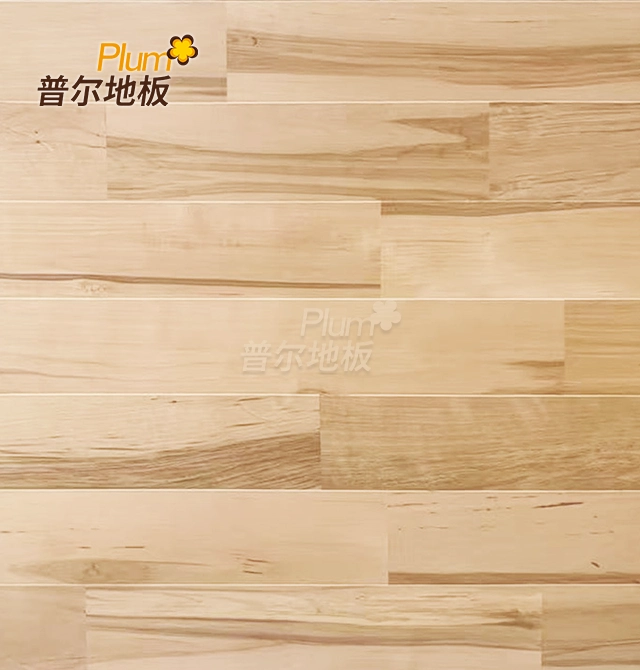
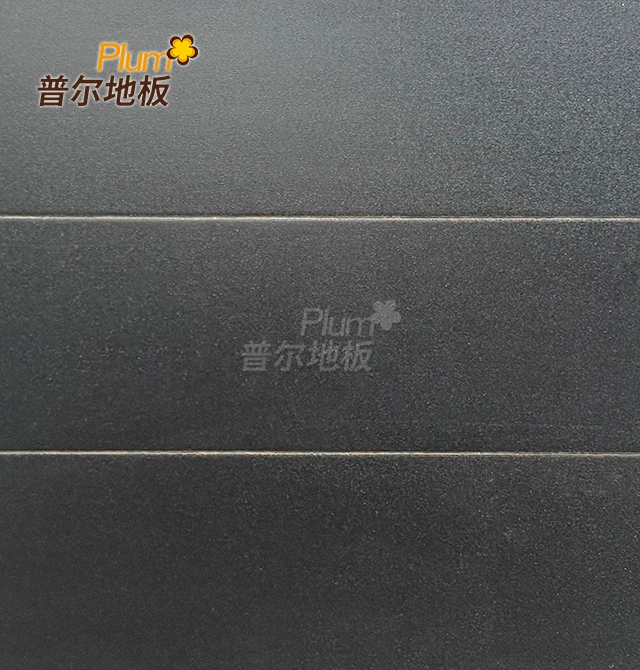
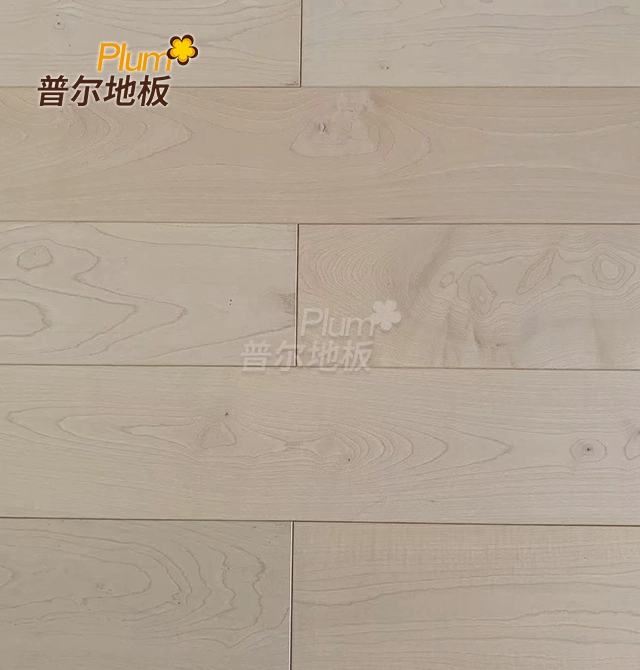
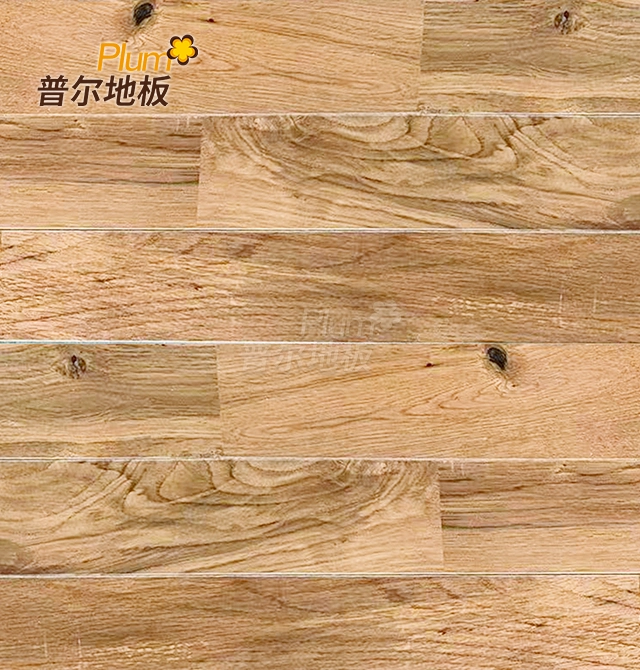
Beyond personal taste, color choice affects how big a room seems and how easy it is to see what needs to be done. In schools, tawny tones go well with natural light, and in cities, gray finishes go well with industrial design trends in business areas. Brown variations keep people warm in dining settings and hide small signs of wear in areas with a lot of foot traffic. Our color range includes all of these choices while still letting you see the wood grain that makes real wood different from fake wood.
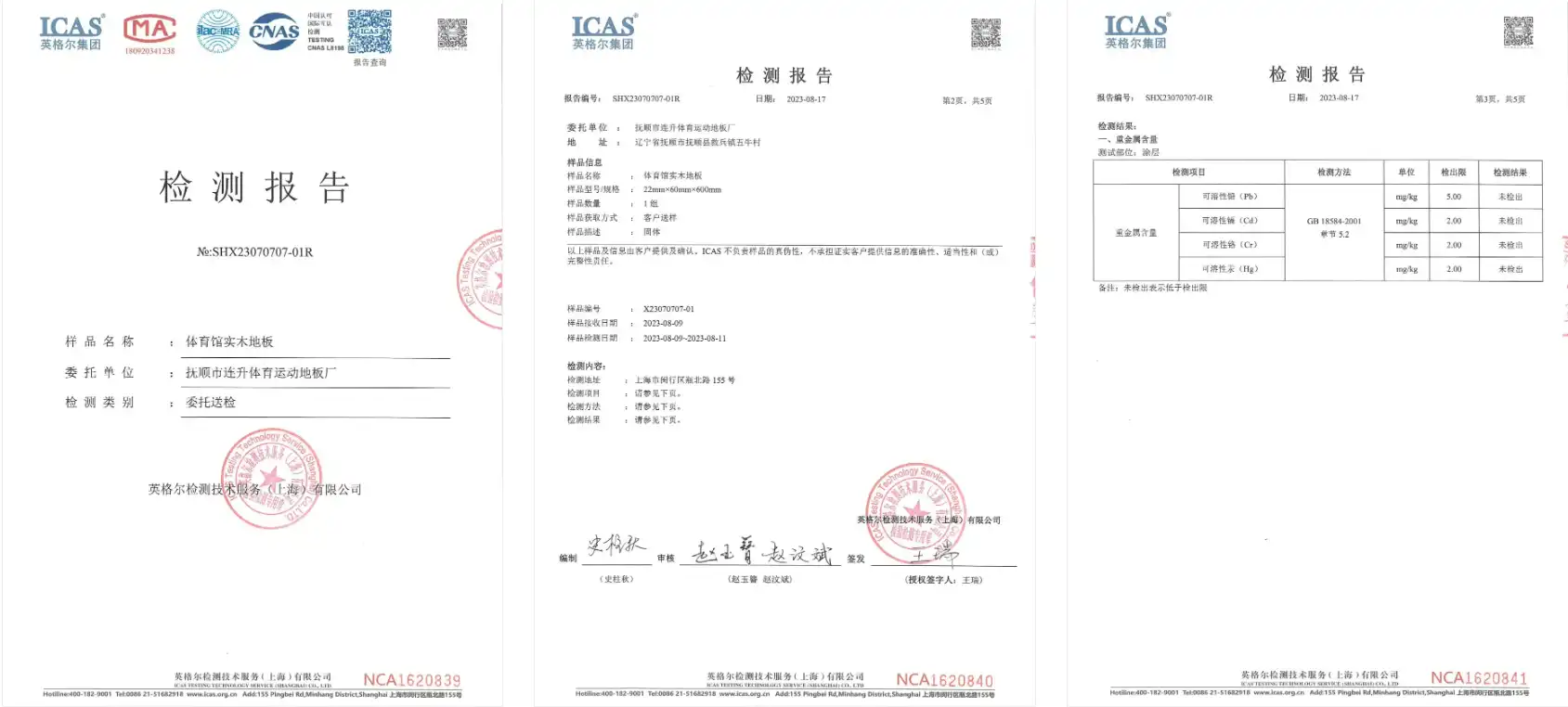
In business setups, following the certification rules guards against liability further down the line. ISO standards make sure that management systems are consistent, and IAF and CNAS accreditations make sure that third-party testing is real. B1 approval shows that the combustion performance is good enough for assembly areas, and E1 grades make sure that formaldehyde emissions are below the strict levels needed in healthcare and educational settings. In addition to basic compliance, you should also look at specialized testing documents. For example, sports flooring performance evaluation records confirm the shock absorption and slip resistance standards that apply to athletic facilities.
Bulk Ordering and Customization Considerations
Project timeline adherence depends on how reliable the supply chain is. Direct producers who keep large stocks of raw materials can adapt to changes in specifications and speed up schedules without causing delays to spread. We get our Chinese oak and Russian birch straight from the suppliers who grow them. This cuts out the middlemen and lets us keep an eye on quality from harvest to finish. Multiple production lines make it possible to make different kinds of products at the same time, which helps workers manage phased installs across multiple buildings.
OEM/ODM skills that perfectly match goods to architectural requirements are helpful for project-based buying. Custom cutting can handle non-standard sizes for signature design elements, and custom finishing can meet specific needs for slip resistance or brand color matching. Price breaks are usually unlocked by making large orders. Our direct maker model offers competitive rates that get better as order numbers grow, so even people on a tight budget can get high-quality oak.
Logistics for delivery need to be carefully coordinated, especially for projects that take place in more than one place or stage. Optimizing containers lowers the cost of shipping goods across international borders, and flexible release plans allow for just-in-time installation processes that reduce the need for on-site storage. We work with general builders to schedule deliveries so that they don't interfere with other trades. This keeps damage from happening when materials are staged too early in building zones that are still active.
Installation and Maintenance of Oak Wooden Flooring
Use of the right construction methods and care schedules directly affects how well wooden flooring oak performs over its lifetime. The technical requirements change depending on how the product is made and the elements of the surroundings.
Installation Best Practices for Commercial Environments
Preparing the subfloor is the first step in installing wood floors correctly. Concrete slabs need to be tested for wetness to make sure that levels are less than 4.5% by weight and that they are flat within 3/16 inch over 10 feet. For plywood boards, diagonal bracing must be checked and fastener plans must match the expected load. Acclimation times of at least 72 hours let oak planks adjust to the humidity of the installation area, which stops them from gapping or bowing after installation.
Engineered oak over radiant heating works well in floating systems, and 12–15 mm expansion gaps around the edges allow for yearly movement. Glue-down methods are better at blocking out noise in multi-story buildings, but they need adhesives that work well together. We suggest non-water-based formulas that cure without adding too much wetness. For solid oak over wood subfloors, nail-down methods work well. Place the nails 8 to 10 inches along the length of the log and 2 to 3 inches from the ends.
Routine Maintenance Protocols
In business settings, daily care includes vacuuming or dust mopping with soft-bristle attachments to get rid of rough particles before they scratch finishes. When you wet mop your hardwood floors once a week, use pH-neutral cleaners that are made for hardwood. Stay away from oil soaps that leave behind residue that attracts dirt and vinegar solutions that break down polyurethane coatings. Entry matting systems catch 80% of tracked debris in the first 15 feet of entry, which makes lobby floors much less worn down.
Seasonal care takes into account the fact that oak trees absorb water. During the winter, heating processes lower the humidity inside, which means that humidification is needed to keep things from shrinking too much and gaps from forming. When summer humidity levels are higher than 55%, dehumidification is needed to stop cupping and finish adhesive failure. Our technical team gives site managers suggestions for tracking and levels of intervention that are based on the weather trends in the area.
Refinishing and Restoration Strategies
Depending on how much traffic there is, commercial oak wood usually needs to be refinished every 7 to 10 years. To do this, the old finish layers are sanded off, 0.5 to 1 mm of wood is removed to reveal a new surface, and new protection coats are put on. UV-cured aluminum oxide paints return high-durability protection in just 24 hours, so there is little downtime for business. In between full refinishing cycles, spot repairs fix localized damage by removing single planks or screening and recoating high-wear areas to make service times longer.
Ensuring Long-Term Value: Durability, Warranty, and Cost Efficiency
To be a good financial manager, you need to look at flooring choices based on their total cost of ownership, not just their initial purchase price. Oak's greater durability changes the lifecycle economics fundamentally when compared to options that need to be replaced more often.
Durability Metrics and Performance Data
Oak's hardness is directly related to its resistance to dents caused by static loads. Legs of office furniture, sports equipment, and store displays put a lot of pressure on areas that softer materials can't handle. The tannin content naturally kills microbes, which means that fewer chemicals are needed for upkeep. Also, the closed-cell structure of white oak prevents water from getting in, which is what causes rot and instability in lesser species.
Real-world performance data from projects we've already finished shows that oak flooring keeps its structural integrity and good looks for decades of institutional use. After 15 years of proper upkeep, school gymnasiums that host daily PE classes and evening community events show very little wear. After 10 years, installations in shops with modest foot traffic still have finish gloss levels that are higher than 70% of their original levels. This means that a simple screen-and-recoat restoration is enough to fix the problem instead of a full refinishing.
Warranty Structures and Supplier Accountability
Comprehensive guarantees show that the company that made the product is confident in its quality and give customers a way to get their money back when problems arise. For manufactured goods, structural warranties should cover delamination, joint integrity, and dimensional stability for 25 to 30 years. For solid oak, the warranty should last a lifetime. Finish guarantees usually last between 10 and 15 years for home uses and 3 to 5 years for business uses. This is because different types of traffic can cause the finishes to wear out faster or slower.
Carefully read the warranty terms. Some don't cover harm caused by water or poor upkeep, while others say that the replacement value will decrease over time. Responsible sellers keep separate routes for customer service and replacement parts on hand so that they can respond quickly to guarantee claims. Our promise includes professional support throughout the entire lifetime of a project, from helping with specifications to guiding installation to teaching facility staff how to do upkeep.
Cost-Benefit Analysis Framework
To compare oak to other options, you have to guess how much they will cost over their whole work lives. Oak installs, which cost about $8 to $12 per square foot, last 30 to 50 years with only one or two refinishing rounds, which cost about $2 to $3 per square foot each. Laminate floors that cost $4-6 per square foot to put need to be replaced every 10 to 15 years, which means that they cost $8 to $12 per square foot over their lifetime, which is the same as oak but looks and works worse. Luxury vinyl board is sold as low-maintenance and costs $5 to $8 per square foot to install. However, it can't be renewed, so when it gets worn or damaged, it has to be replaced.
Differences in upkeep costs should also be taken into account when allocating funds. Because oak can be refinished, damage can be fixed by focusing on specific areas instead of replacing the whole thing. This reduces inconvenience and costs. The acoustic qualities cut down on noise transfer, which could mean that extra soundproofing costs aren't needed in multi-story buildings. Thermal mass and compatibility with solar heating make buildings more energy efficient and lower their operating costs over their entire lives.

Conclusion
To select the best wooden flooring oak, you must consider a number of factors, including the project's exact requirements, aesthetic tastes, and cost over time. Red oak and white oak each have their own benefits, such as warmer tones and more noticeable grain versus a cooler color palette and better resistance to moisture. Choosing the right grade combines the need for visual uniformity with the budget. Engineered construction makes it possible to use in harsh settings, and if you put it right and keep up with the upkeep, it will last for decades. Picking the right supplier is just as important as picking the right product. Certifications, warranty terms, and customer support infrastructure are what set partners involved in your success apart from transactional sellers. The frameworks described here give procurement workers the tools they need to make decisions that get the best value while still meeting performance standards in schools, businesses, and sports sites.
FAQ
What thickness of oak flooring works best for commercial applications?
In commercial installs, 18 mm thickness is usually chosen as the best compromise between structural safety and the ability to be refinished. This size gives you enough material for three to five sanding rounds over the life of the floor while still keeping its strength under heavy loads. Thinner goods can't be refinished as easily, and bigger ones cost more in materials without giving you any more performance. To support repeated restorations in high-traffic areas, engineered goods should keep wear layers of at least 4 to 6 mm.
How does oak flooring perform in spaces with underfloor heating?
Cross-laminated core design in engineered wood makes it resistant to warping when surface temperatures change. This makes it compatible with radiant heating. Ratings for thermal conductivity between 0.10 and 0.17 W/mK allow heat to move quickly while keeping the shape stable. In these situations, solid oak is more likely to gape and cup if humidity levels aren't kept steady by limits. To avoid heat shock during the initial setup phase, installation over radiant systems needs to be done gradually by raising setpoints by 1-2°C every day.
What certifications should I verify when selecting an oak flooring supplier?
ISO approval proves that quality management systems are consistent, and B1 scores show that fire performance standards must be met in assembly areas. E1 formaldehyde emission guidelines protect the quality of the air inside buildings, which is especially important in healthcare and school settings. Accreditations from the IAF and CNAS show that testing centers meet world standards for fairness and accuracy. For sports flooring, more performance records are needed that show how well the flooring absorbs shock, doesn't slip, and bounces balls back for sporting use.
Can oak flooring accommodate the demands of gymnasium environments?
When properly designed and installed, oak works very well in sports situations. The natural shock absorption of the material lowers the impact stress on athletes, and the quarter-sawn cuts protect against wear from tools and foot traffic. To meet safety standards, special finishes make surfaces less likely to slip, and the hygroscopic qualities help keep humidity levels in check, which can affect how well an athlete performs. Over 1,000 finished gymnasium projects show that oak can be reliable in these tough settings when paired with the right flooring systems and upkeep routines.
What color options suit different commercial design aesthetics?
Tones of tawny oak make rooms feel warm and welcoming, which makes them perfect for places like hotels and schools where comfort affects how people feel. Contemporary minimalist design is popular in corporate offices and urban stores. Gray finishes match this style by providing a bland background that draws attention to products or building features. Brown variations have a classic look that works well in heritage makeovers and educational settings, and they hide small wear patterns in areas that get a lot of use.
How do I calculate the true cost of ownership for oak flooring?
The total cost analysis takes into account the original costs of materials and installation, as well as the costs of upkeep over the product's useful life and the costs of refinishing or replacing it in the end. Installing oak floors costs about $8 to $12 per square foot, and they last 30 to 50 years. Every 7 to 10 years, they need to be refinished, which costs about $2 to $3 per square foot. Compared to options that need to be replaced completely more often, like laminate every 10 to 15 years or luxury vinyl every 15 to 20 years.
Partner with a Trusted Wooden Flooring Oak Supplier
Choosing the right products is only part of successful procurement. Reliability of suppliers and support systems are also important. Fushun Plum Flooring Co., Ltd. has a wide range of skills gained from working on more than 1,000 sports venues and a lot of experience exporting to countries like the US, UK, and Canada. Our direct manufacturer model combines production lines from Germany and Italy with a large store of raw materials. This lets us offer reasonable prices without lowering quality standards, which are confirmed by ISO, IAF, CNAS, B1, and E1 certifications.
We provide full project support, from helping you decide on the specifications to helping you with the construction and ongoing upkeep. This way, you can be sure that your investment in wooden flooring oak will last for many years. Our OEM/ODM services can meet special needs, and our flexible operations can work with your project's schedule across one or more places. Email our team at plumflooring123@163.com to talk about your needs and get access to specific scientific information.

References
1. Johnson, Robert T., and Linda M. Chen. Hardwood Flooring Handbook: Species Selection and Performance Standards. Forest Products Society, 2019.
2. Williams, David K. "Comparative Analysis of Oak Species in Commercial Applications." Journal of Building Materials and Structures 34, no. 2 (2021): 145-162.
3. Anderson, Patricia R. Sustainable Flooring Systems: Environmental and Economic Considerations. American Society of Interior Designers, 2020.
4. Thompson, Michael J., and Sarah E. Rodriguez. "Long-Term Performance Evaluation of Engineered Wood Flooring in Institutional Settings." Building Science Review 28, no. 4 (2022): 78-95.
5. National Wood Flooring Association. Technical Standards for Commercial Wood Flooring Installation. 7th ed. NWFA, 2021.
6. Harrison, Elizabeth M. "Life Cycle Cost Analysis of Commercial Flooring Materials." Facilities Management Quarterly 19, no. 3 (2020): 112-129.
Get Price, Catalog, and Professional Flooring Solutions