- English
- French
- German
- Portuguese
- Spanish
- Russian
- Japanese
- Korean
- Arabic
- Greek
- German
- Turkish
- Italian
- Danish
- Romanian
- Indonesian
- Czech
- Afrikaans
- Swedish
- Polish
- Basque
- Catalan
- Esperanto
- Hindi
- Lao
- Albanian
- Amharic
- Armenian
- Azerbaijani
- Belarusian
- Bengali
- Bosnian
- Bulgarian
- Cebuano
- Chichewa
- Corsican
- Croatian
- Dutch
- Estonian
- Filipino
- Finnish
- Frisian
- Galician
- Georgian
- Gujarati
- Haitian
- Hausa
- Hawaiian
- Hebrew
- Hmong
- Hungarian
- Icelandic
- Igbo
- Javanese
- Kannada
- Kazakh
- Khmer
- Kurdish
- Kyrgyz
- Latin
- Latvian
- Lithuanian
- Luxembou..
- Macedonian
- Malagasy
- Malay
- Malayalam
- Maltese
- Maori
- Marathi
- Mongolian
- Burmese
- Nepali
- Norwegian
- Pashto
- Persian
- Punjabi
- Serbian
- Sesotho
- Sinhala
- Slovak
- Slovenian
- Somali
- Samoan
- Scots Gaelic
- Shona
- Sindhi
- Sundanese
- Swahili
- Tajik
- Tamil
- Telugu
- Thai
- Ukrainian
- Urdu
- Uzbek
- Vietnamese
- Welsh
- Xhosa
- Yiddish
- Yoruba
- Zulu
Natural Birch Flooring: Clean and Elegant
In business and institutional settings, natural birch flooring is especially popular because it is a sophisticated flooring option that combines nice looks with strong usefulness. This luxury hardwood comes mostly from Russian birch woods and has unique qualities like a fine, delicate grain structure, great workability, and great finishing properties that make it suitable for a wide range of design needs. As a result of its Janka hardness grade of about 1,260 lbf, birch wood works well in moderate to high-traffic areas while still keeping its clean, light look that makes space seem bigger and fits in with modern building trends. Because it is naturally beautiful, durable, and reasonably priced, it is the best choice for procurement professionals who want to find high-quality flooring options that meet both aesthetic and functional needs in places like schools, sports facilities, and businesses.
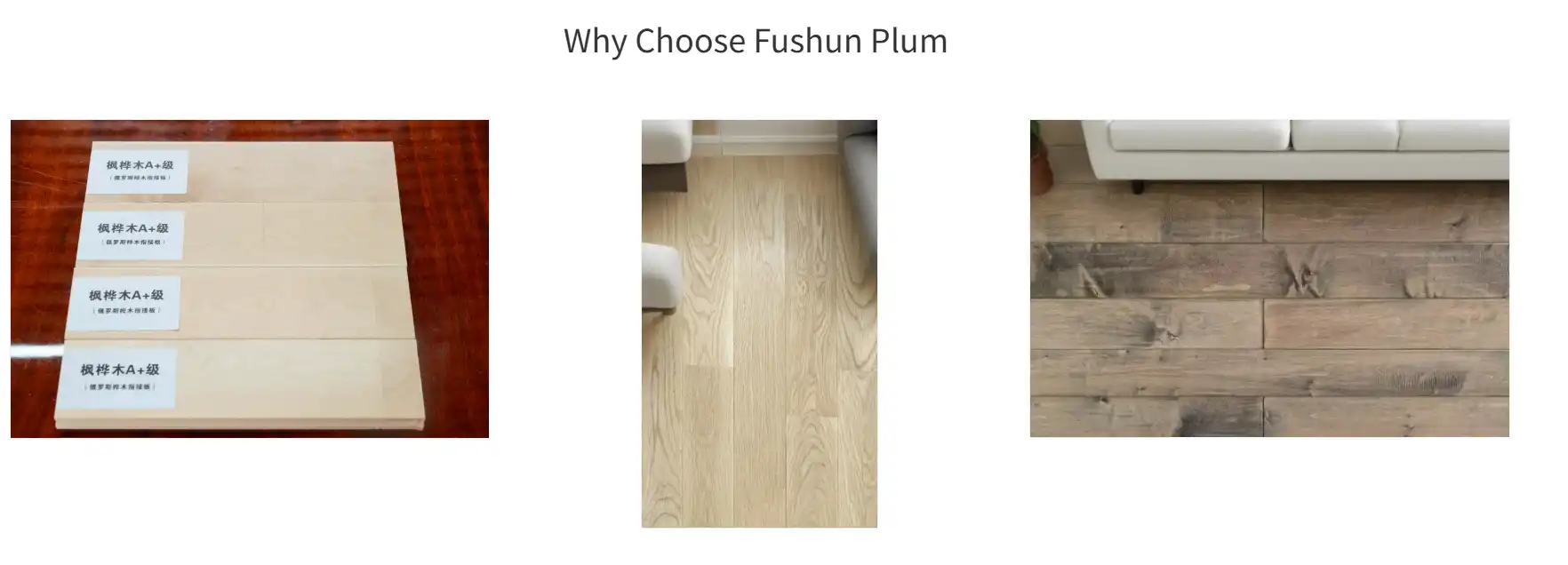
Understanding Natural Birch Flooring: Characteristics and Benefits
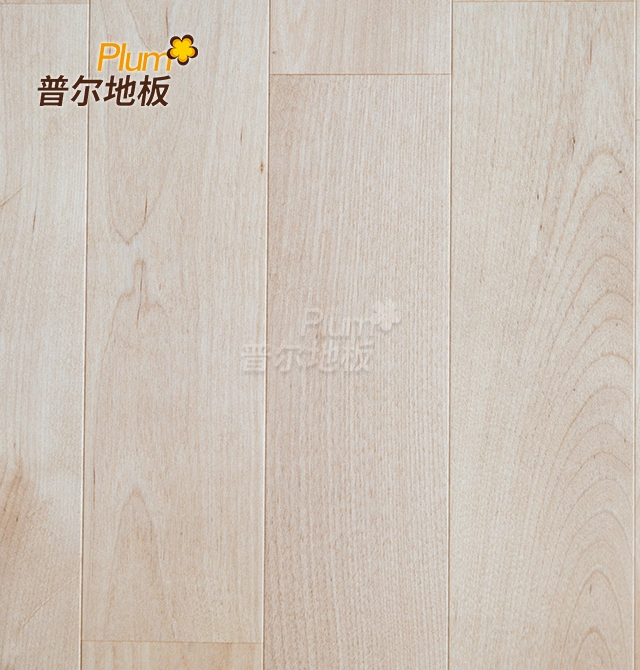
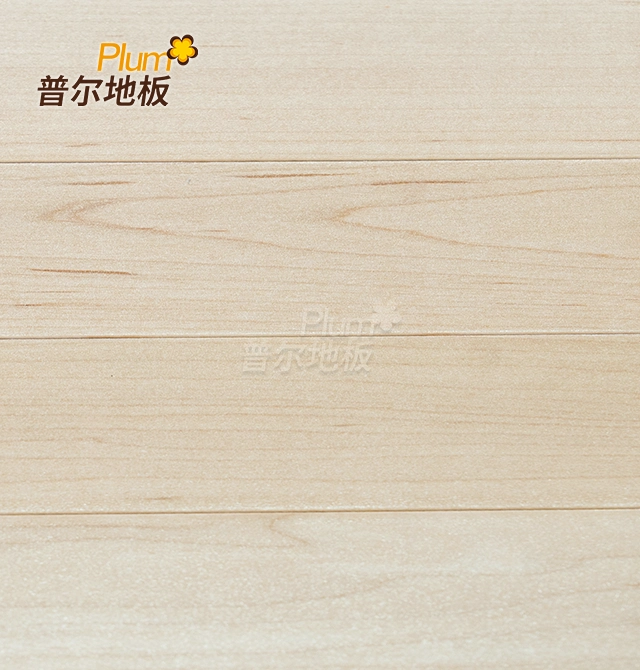
Birch hardwood flooring is known for having a unique mix of good looks and good structural performance among procurement pros and building managers. The material mostly comes from Russian birch woods, where sustainable harvesting methods make sure that the quality and grain traits stay the same. The wood from these trees usually has a pale look, ranging from creamy white sapwood to soft reddish-brown heartwood. This natural birch flooring look adds depth to interior design plans without being too busy.
The technical details of our Russian birch flooring show that it was made with great care. Each plank is 18 mm thick, comes in 90 mm or 120 mm widths, and is available in lengths from 300 mm to 900 mm. This ability to adapt to different sizes makes it possible for a wide range of installation patterns and project needs, from small dance workshops to large hall floors. The amount of wetness is carefully kept between 7 and 12%. This makes sure that the dimensions stay the same in all climates and lowers the chance of bending or cupping after installation.
Core Physical Properties
Learning about the natural properties of birch wood helps buying teams decide if it can be used for certain tasks. The material is very good at holding nails in place, which makes installation easier and makes sure that fastening systems work securely in both traditional tongue-and-groove and modern click-lock setups. Its toughness means it won't get damaged by impacts, but it still has a good amount of flexibility underfoot, which is especially useful for sports floors where shock absorption affects both performance and safety.
Birch is different from hardwoods like oak because its grain structure has a fine, delicate design and its feel is soft and smooth. Even though birch isn't as hard as hard maple, it's still hard enough for most industrial uses and strong enough to last for a long time without costing as much as harder foreign species. Because the wood is so easy to work with, the cut surfaces are smooth during installation. This saves time and money on materials and labor, which have a direct effect on project budgets and schedules.
Performance Advantages
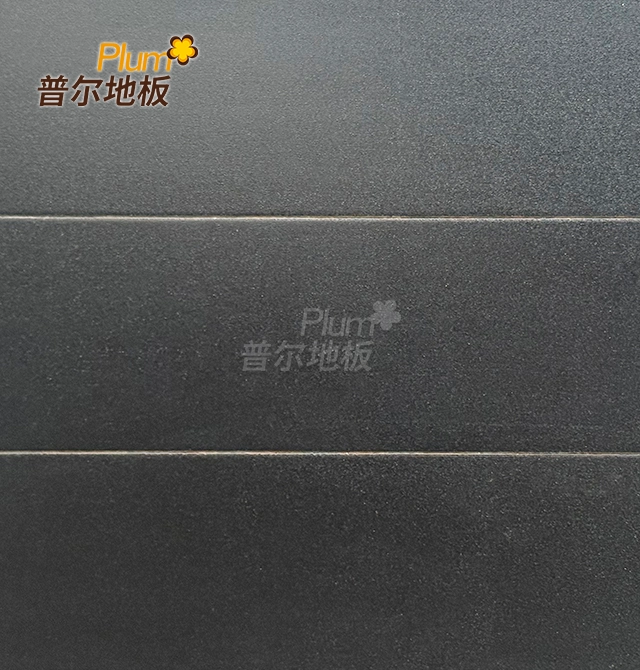
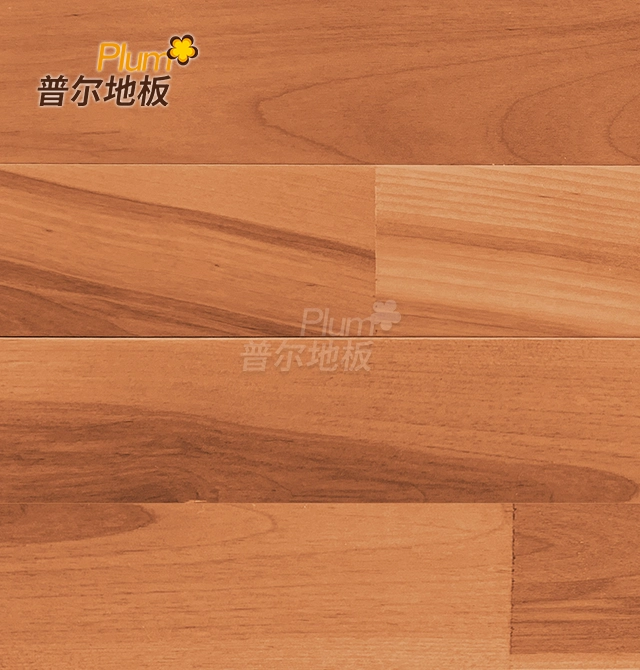
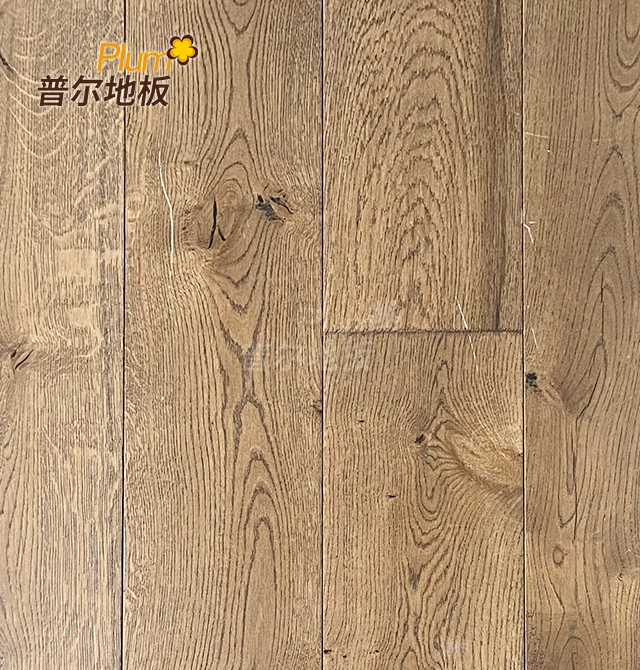
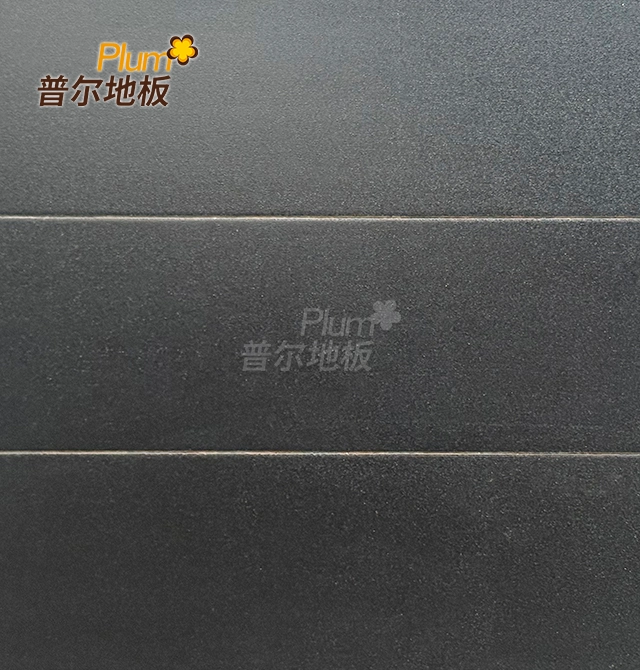
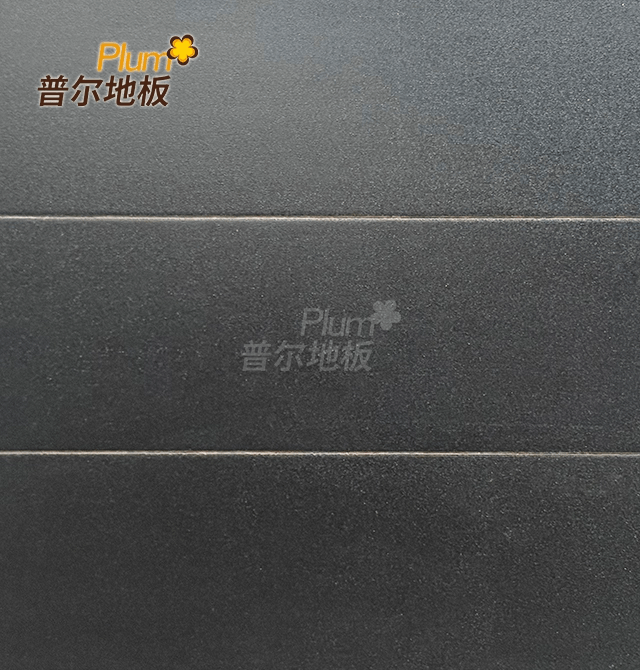
Birch flooring is beautiful, but it also has useful benefits that help with problems that often happen in business settings. The better paintability and gluing performance make it easier to finish in a number of ways, from clear coats that protect the wood's natural look to custom stain treatments that match brand names or design themes. We currently have a number of color choices, such as Tawny, Gray, and Brown. This gives artists a lot of freedom in their designs while still preserving the natural beauty of the material.
Birch wood's closed-pore structure keeps dust and dirt from building up better than open-grain options, which lowers the need for maintenance and costs in places with a lot of foot activity. When it comes to healthcare and educational settings, where cleanliness standards demand effective and clean flooring options, this trait is especially useful. Birch's pale surface reflects light, making both natural and manmade lighting work better. This could lower energy costs in big buildings while making them feel warmer and more open.
When it comes to sustainability, birch forests grow back more quickly than oak forests that grow more slowly. This supports policies that encourage environmentally responsible purchasing. Our goods have many certifications, such as ISO, IAF, CNAS, B1 fire rating, and E1 formaldehyde emission standards. This paperwork meets the needs of stricter green building standards and legal compliance frameworks in foreign markets.
Natural Birch Flooring vs. Alternative Flooring Options: A Decision-Making Guide
To make the best choices about what to buy, you need to compare different flooring products so that you can get the best performance and value for your money. By knowing how natural birch flooring compares to other options, you can make decisions that are in line with the needs of the project and your long-term business goals.
Birch Compared to Oak and Maple
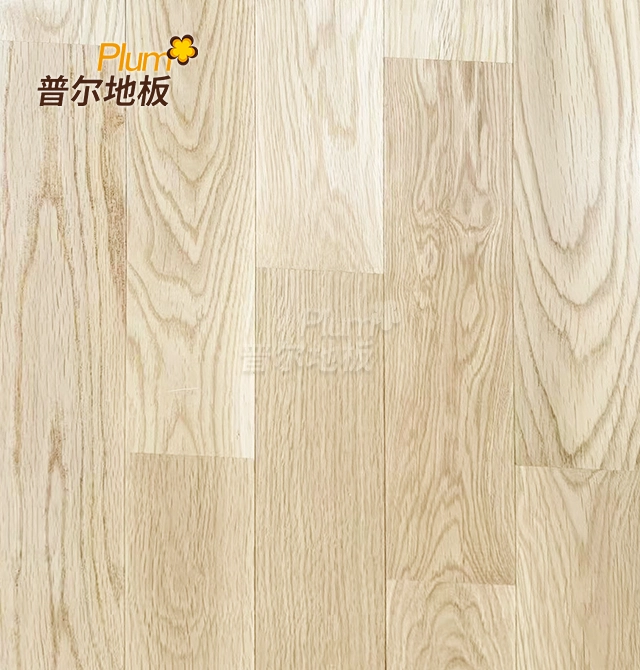
Oak is still a popular choice for business flooring because of its strong hardness and noticeable grain patterns. On the Janka scale, red oak is about 1,290 lbf, which is a little harder than birch, which is about 1,260 lbf. This small difference means that both woods will last about the same amount of time in most situations, but birch is better in places where a lighter look is desired. Birch's more faint grain makes for a cleaner look that goes well with the simple design ideas that are becoming more popular in modern business areas.
Hard maple, which is often used for gym floors, has higher hardness ratings—nearly 1,450 lbf—but it costs a lot, which could put a pressure on project funds. As an alternative, birch is a cheap option that works well enough for most sports uses while keeping the same light color and fine texture. Birch is slightly softer than other woods, which makes it more comfortable and better at absorbing shock. These are qualities that help players and keep them from getting tired after long periods of use.
Solid Versus Engineered Construction
There are two types of birch flooring: solid and manufactured. Each has its own benefits that depend on how it is installed and how well it needs to perform. Solid birch logs are made from a single piece that is 18 mm thick, which means that they can be refinished as many times as possible over the course of their life. This structure works well for sites that are below ground and have stable environmental conditions and proper moisture barriers.
Engineered birch flooring has a thin layer of birch wear layer attached to a multi-ply base. This is usually done using cross-laminated construction to make the flooring more stable in terms of its dimensions. This structure is better at resisting changes in size caused by moisture than solid wood. This makes it suitable for placements below grade, in places where humidity levels change, or with solar heating systems. The engineering method also makes the best use of materials, which could lower prices while keeping the quality of the design.
Comparison with Synthetic Alternatives
Laminate and luxury vinyl goods are cheaper options that look like wood by using photographic images to create the illusion. These materials don't absorb water and are easier to install, but they don't have the real wood's structure, warmth, or ability to be refinished. Teams in charge of buying things have to weigh the initial cost savings against things like quality, durability, and the environmental impact of materials made from oil versus materials made from green wood resources.
Bamboo flooring is getting more notice as an environmentally friendly choice, but it performs very differently than birch flooring. Strand-woven bamboo has high strength scores, but in some forms it may have uneven color and shape-changing properties. Birch's proven track record of performance and expected traits lower the risk of buying, especially for big institutional projects where reliable materials are very important.
Installation and Maintenance: Ensuring Longevity and Performance
The effectiveness and longevity of natural birch flooring purchases are directly related to how well they are installed and maintained. When buying teams understand these processes, they can make more accurate budgets, schedules, and long-term plans for operations.
Installation Methodology
Preparing the spot for birch flooring installation is the first step to a successful job. It's important that the base is clean, level (usually 3/16 inch over 10 feet), and physically sound. Moisture tests on both the base and the flooring material show that they are compatible. For plank flooring, the difference in moisture levels should not be more than 4% to avoid problems after installation. Our goods are carefully calibrated to be stable in a wide range of climates, so they arrive with a moisture level of between 7 and 12%.
Getting used to the new environment is a very important but often overlooked step. Birch flooring should stay where it was installed for three to seven days so that the wood can get used to the humidity and temperature in the area. This time lowers the chance that the material will expand or contract after installation. This keeps the joints strong and stops gaps or bowing.
Our birch flooring uses a tongue-and-groove method that makes it easy for the boards to fit together securely and spread weight evenly across the surface. Depending on the type of subfloor and the needs of the job, installation can be done by nailing, gluing, or floating. For sports uses, special sleeper systems or flexible pads can be put under the floors to get the shock absorption and energy return properties that standards like DIN 18032 call for.
Maintenance Protocols
Regular care keeps birch wood looking good and keeping its structure strong, all while keeping long-term costs low. Using microfiber dust mops for dry cleaning once a day or once a week gets rid of rough particles that can dull the shine over time. Using pH-neutral wood floor cleaners and damp mopping on a regular basis will remove dirt from the surface without adding too much water that could get into the joints and damage them.
In business settings, protective steps make floors last a lot longer. Entry mat systems keep dirt and water off of floors before they get to them, which reduces wear patterns near doors that get a lot of use. Damage like scratches and dents can be avoided with furniture glides, protection pads under equipment, and rules about rolling carts. In sports facilities, the playing field is kept safe from damage by having rules about what shoes to wear and how to store tools.
Long-Term Performance Management
The fact that solid wood flooring can be refinished makes it more cost-effective over its lifetime. When surface wear is visible, which usually happens after 10 to 15 years in business settings with mild foot traffic, the floor can be sanded and refinished to make it look like it did when it was first installed. This process costs a lot less than replacing the whole thing, and it makes it last at least ten years longer, which improves estimates of the total cost of ownership.
Keeping an eye on the surroundings helps stop problems before they happen. Keeping the relative humidity between 35 and 55% and the temperature between 60 and 80°F reduces the yearly changes in size and shape that put stress on joint links. In places where the seasons change a lot, it may be necessary to make changes to the HVAC system and add extra humidification or dehumidification to protect flooring investments.
Sourcing and Procurement: Where and How to Buy Natural Birch Flooring?
To make good procurement plans, you need to know how the foreign natural birch flooring markets' supply chains work, how prices are set, and how to make sure quality. Building partnerships with manufacturers who offer regular quality, dependable logistics, and full support services is good for business-to-business buyers.
Evaluating Manufacturer Capabilities
Working directly with manufacturers can save you money and give you more control over quality than using multiple levels of marketing. Vertically integrated manufacturers like Fushun Plum Flooring Co., Ltd. can do everything from buying raw materials to production, quality control, and transportation planning. This organizational structure lets them offer reasonable prices while upholding high quality standards that are backed up by a number of reputable certifications.
Manufacturing capacity is an important thing to think about for big projects or buyers who need to be sure they can keep getting supplies. Our sites keep a lot of raw materials on hand and run a number of German and Italian production lines that can make different kinds of products at the same time. A national standard 90-meter automated painting line makes sure that the quality of the finish is always the same, and the operating freedom lets both standard goods and custom solutions fit the needs of each project be used.
Certification and Quality Assurance
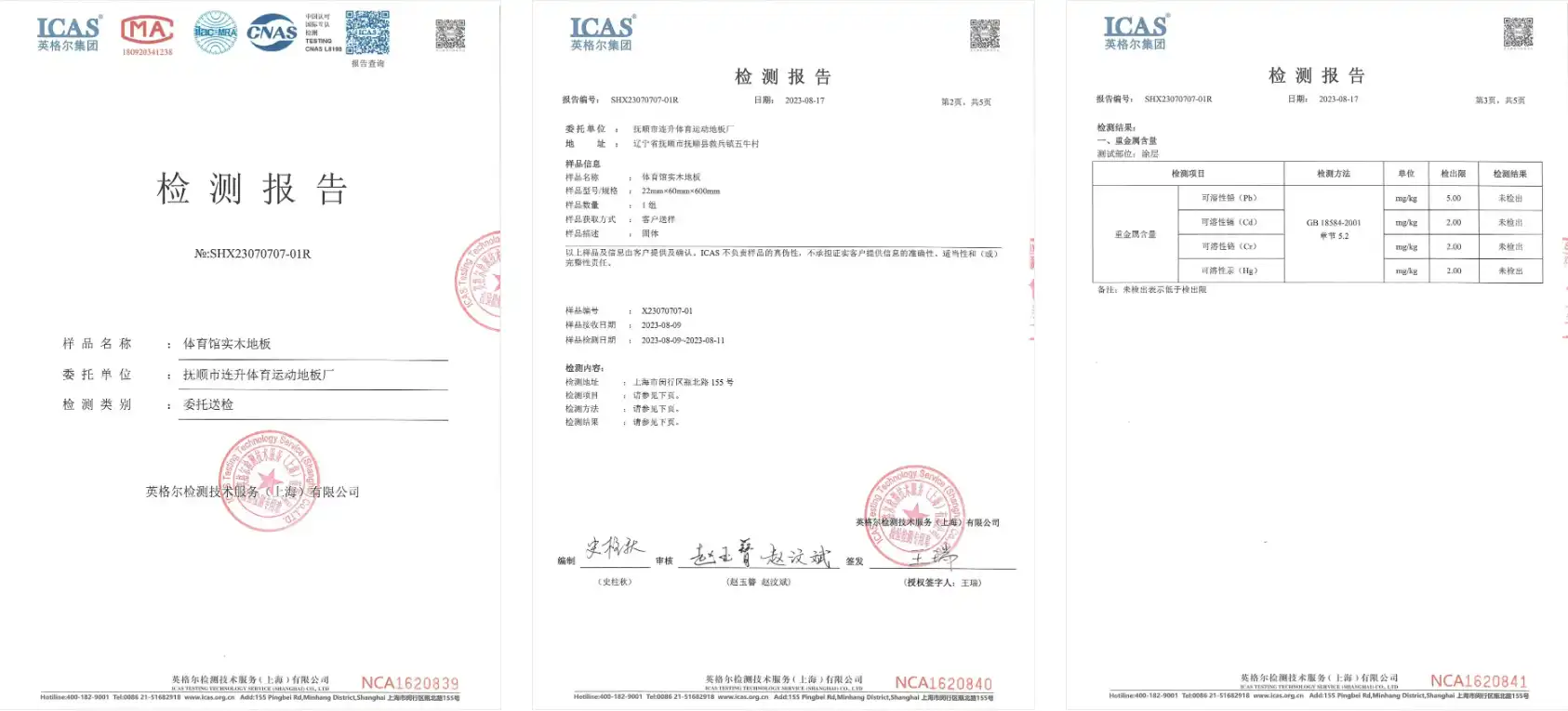
A lot of paperwork makes sure that the quality of the product is good and that it follows all the rules in different countries. As proof of our quality management, we have ISO standards, IAF international approval, CNAS laboratory recognition, a B1 fire performance rate, and E1 formaldehyde emission compliance. In addition to general certificates, specialized test results look at things like how well sports flooring works, how it burns, and the quality of solid wood panels, keels, and elastic shock-absorbing pads that are used in gym installs.
These certificates meet the standards for due diligence that are popular in institutional procurement processes. They also support LEED and other green building certification programs. Buyers don't have to deal with as much paperwork because the complete proof package makes it easier for everyone involved in the approval process.
Pricing and Commercial Terms
By promising to buy in bulk, companies can save a lot of money on costs. This is because they can make better use of their resources and streamline their processes. As a straight producer, we can offer wholesale prices that don't include markups from middlemen and keep the quality of the products. It's not just the price of a single unit that makes something cost-effective; value-added services like customization, expert advice, and installation help also lower the total cost of a project.
Buyers who want private-label goods or specialty changes that fit regional tastes or specific application needs can work with OEM and ODM arrangements. These adaptable business partnerships help sellers build a presence in the market while letting builders set their products apart by using unique features or branding strategies.
Logistics and Support Services
International shipping management needs people with a lot of experience who know about rules, how to fill out paperwork, and the best ways to get things where they need to go. We organize all of your export needs, such as making sure your goods are properly packed to keep them dry during transport, filling multiple containers at once to save money, and working with freight forwarders who know how to handle building materials.
Sample programs let buyers check the quality of the physical product, how well it matches colors, and how well it works with design specs before they place big orders. As part of technical consultation services, installation planning, substrate compatibility testing, and performance standards for specific uses are all taken care of. Support after the sale includes ongoing tools for upkeep procedures, troubleshooting advice, and warranty management, which protects buyers' investments throughout the lifespan of the product.
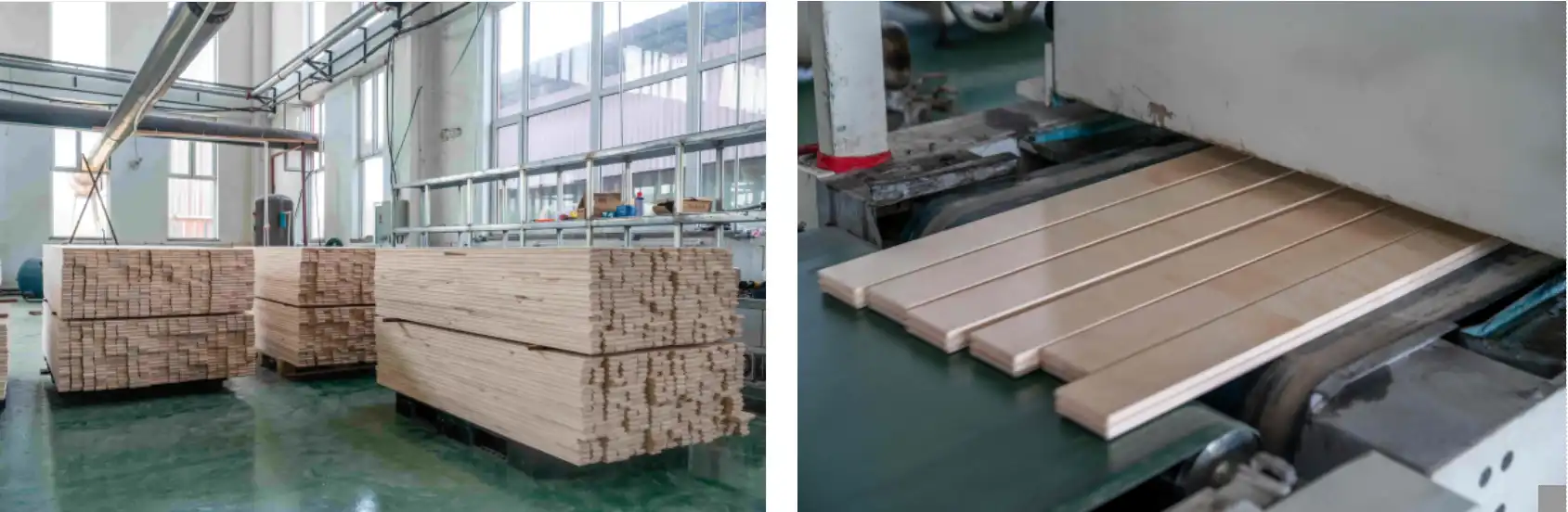
Partner with Fushun Plum Flooring for Superior Birch Flooring Solutions
Choosing the right natural birch flooring provider has effects on the success of the job that go far beyond just buying the materials. Fushun Plum Flooring Co., Ltd. mixes high-quality manufacturing with customer-focused services made just for B2B procurement pros working on difficult business and institutional projects. Our extensive experience includes installing more than 1,000 sports venues across China. This shows that we are experts in difficult situations where performance, safety, and durability are essential.
Our smart choice to use Russian birch and Chinese oak as our main materials shows that we made choices that are best for quality and value. When we buy directly from source sellers, we can be sure that the materials will be the same every time. We also save money by cutting out middlemen, which we pass on to our customers through low wholesale pricing. We are able to keep strict quality control by combining our own manufacturing sites with cutting-edge European production technology. This also gives us the freedom to make changes quickly and meet project deadlines.
Our wide range of services covers the whole span of a project. Research and development help companies come up with new products that meet the changing needs of the market. Consulting with a designer can help turn abstract ideas into detailed plans that are best for performance and cost. Expertise in production provides uniform quality across all order volumes, from small purchases by institutions to large-scale building of venues. A service framework is meant to reduce procurement risk and improve project outcomes. It includes logistics planning, installation help, and full after-sales support.
We care about the environment and do everything we can to protect it through relationships with sustainable forests, manufacturing methods that use less energy, and goods that meet strict emission standards. In line with institutional sustainability requirements, these promises encourage buyers to take part in green building programs, which are becoming more and more important in deciding whether a project is approved and funded.
Conclusion
When it comes to business, educational, and sports facilities, natural birch flooring is the best choice because it looks great, works well, and is easy on the wallet. Its clean look, mild hardness, and great finishing qualities make it suitable for a wide range of design needs while still meeting the longevity standards needed in high-traffic areas. The sustainability profile, technical specs, and track record of the material give procurement pros faith in its long-term performance and low cost. Knowing the pros and cons compared to other materials, the right way to place it, and how to keep it in good shape helps you make smart decisions that lead to better project results. Working with seasoned makers that offer full certifications, dependable supply chains, and expert support services makes the buying process easier and guarantees quality throughout the whole project lifecycle.
FAQ
Is birch flooring suitable for high-traffic commercial environments?
Birch has a Janka hardness value of about 1,260 lbf, which is strong enough for most industrial uses, such as in buildings for schools, stores, and offices. Even though natural birch flooring is a little softer than hard maple or exotic hardwoods, it will work well in mild to high-traffic areas if it is finished and kept up.
How does the lifespan of solid birch compare to engineered options?
If you take care of your solid birch wood and repair it every so often, it should last between 50 and 75 years, or even the lifetime of the building. The full 18mm thickness lets you sand and polish it many times, usually three to five times, depending on how deep you sand. This restores the look after wear is obvious. Engineered birch wood has smaller wear layers, usually between 2 and 6 mm.
What environmental certifications should buyers prioritize?
E1 formaldehyde emission certification is the strictest standard for engineered wood goods. It limits emissions to amounts that are safe for long-term exposure indoors. For places like schools and hospitals where air quality guidelines are very strict, this approval is very important. The ISO 14001 environmental management certification shows that a company takes organized steps to protect resources and avoid waste during all stages of production.
Can birch flooring accommodate radiant heating systems?
Because it is cross-laminated, engineered birch flooring works well with thermal heating systems because it doesn't change size when the temperature changes. The multi-ply base keeps the structure stable while distributing heat evenly. Solid birch needs more thought. It can work with radiant heat, but strict weather limits and slow temperature changes are needed to keep it from expanding problems. The temperature of the surface shouldn't go above 80°F (27°C), and the relative humidity should stay steady between 35 and 55%.
What factors influence birch flooring color variation?
The full range of colors found in natural grade birch is on purpose included. The lighter sapwood is mixed with the darker heartwood to create real organic difference. This grade doesn't try to make the material look the same; instead, it highlights the material's unique qualities. Careful picking of certain types minimizes color differences, but they come with higher prices. Over time, photosensitivity causes colors to change slowly. For example, sapwood tends to turn a little brown when exposed to UV light, while heartwood may lighten. Putting furniture in the right place, covering windows, and switching out rugs every so often can help make changes in how something looks more normal.
Discover Quality Russian Birch Flooring Direct from the Manufacturer
Fushun Plum Flooring Co., Ltd. has everything that global purchasing teams looking for reliable natural birch flooring sellers need. We want you to see the difference in quality that comes from working directly with a well-known company that keeps a large inventory, uses advanced production methods, and has all the necessary certifications. Our team offers individual consultations that are tailored to your project's needs, technical requirements, and budget. Ask for free samples that show off our color choices and the quality of our finishing, or set up a time to talk in more detail about bulk prices for building a big venue. Visit plumwoodfloor.com or email our procurement experts at plumfloor123@163.com to see our full product catalog and learn how our birch hardwood flooring options can make your next project better while also giving you great value and performance guarantee.

References
1. National Wood Flooring Association. (2021). Technical Publication on Hardwood Flooring: Installation Guidelines and Performance Standards. NWFA Professional Standards.
2. Forest Products Laboratory. (2010). Wood Handbook: Wood as an Engineering Material. U.S. Department of Agriculture, General Technical Report FPL-GTR-190.
3. International Organization for Standardization. (2019). ISO 10874: Resilient, Textile, and Laminate Floor Coverings—Classification.
4. Building Research Establishment. (2018). Environmental Product Declarations for Wood Flooring: Life Cycle Assessment Methodologies.
5. DIN Standards Committee. (2017). DIN 18032-2: Halls for Physical Education and Multi-Purpose Use—Floors for Sports, Requirements, Testing.
6. American Society for Testing and Materials. (2020). ASTM D2394: Standard Test Methods for Simulated Service Testing of Wood and Wood-Based Finish Flooring.
Get Price, Catalog, and Professional Flooring Solutions