- English
- French
- German
- Portuguese
- Spanish
- Russian
- Japanese
- Korean
- Arabic
- Greek
- German
- Turkish
- Italian
- Danish
- Romanian
- Indonesian
- Czech
- Afrikaans
- Swedish
- Polish
- Basque
- Catalan
- Esperanto
- Hindi
- Lao
- Albanian
- Amharic
- Armenian
- Azerbaijani
- Belarusian
- Bengali
- Bosnian
- Bulgarian
- Cebuano
- Chichewa
- Corsican
- Croatian
- Dutch
- Estonian
- Filipino
- Finnish
- Frisian
- Galician
- Georgian
- Gujarati
- Haitian
- Hausa
- Hawaiian
- Hebrew
- Hmong
- Hungarian
- Icelandic
- Igbo
- Javanese
- Kannada
- Kazakh
- Khmer
- Kurdish
- Kyrgyz
- Latin
- Latvian
- Lithuanian
- Luxembou..
- Macedonian
- Malagasy
- Malay
- Malayalam
- Maltese
- Maori
- Marathi
- Mongolian
- Burmese
- Nepali
- Norwegian
- Pashto
- Persian
- Punjabi
- Serbian
- Sesotho
- Sinhala
- Slovak
- Slovenian
- Somali
- Samoan
- Scots Gaelic
- Shona
- Sindhi
- Sundanese
- Swahili
- Tajik
- Tamil
- Telugu
- Thai
- Ukrainian
- Urdu
- Uzbek
- Vietnamese
- Welsh
- Xhosa
- Yiddish
- Yoruba
- Zulu
Why More Basketball Courts Choose Birch Basketball Court Flooring?
More basketball courts are choosing Birch Basketball Court Flooring because it delivers exceptional shock absorption, durability, and cost-effectiveness that rivals traditional maple at a more accessible price point. With a Janka hardness rating of approximately 1,260 lbf, Russian birch provides the perfect balance between resilience and comfort, reducing player fatigue while maintaining the professional performance standards required by schools, recreation centers, and private facilities. Its fine grain structure and natural elasticity create a playing surface that athletes trust, while procurement managers appreciate its competitive pricing and sustainable sourcing.


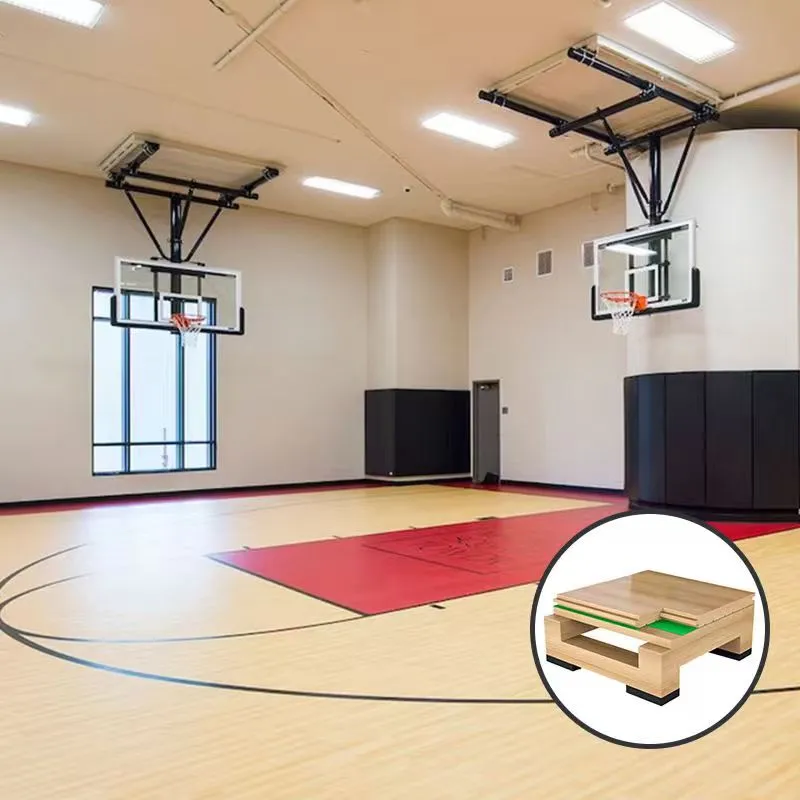
Understanding Birch Basketball Court Flooring: Features and Benefits
When looking at different hardwood sports surfaces, knowing the basic features of Birch Basketball Court Flooring helps facility managers and builders make choices that are good for performance, cost, and durability.
Exceptional Material Toughness and Workability
Russian birch stands out because it is very tough and easy to work with, which directly affects how well it is installed and how well it works over time. Flooring planks stay firmly attached because the wood is good at holding nails. This is true even during intense games where players are jumping and changing directions quickly. This trait is especially important in places with a lot of foot traffic where the building's structure cannot be harmed.
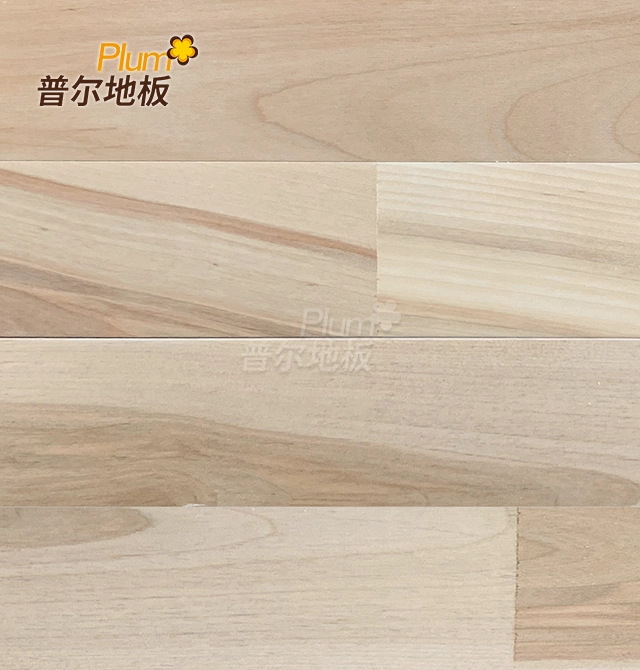
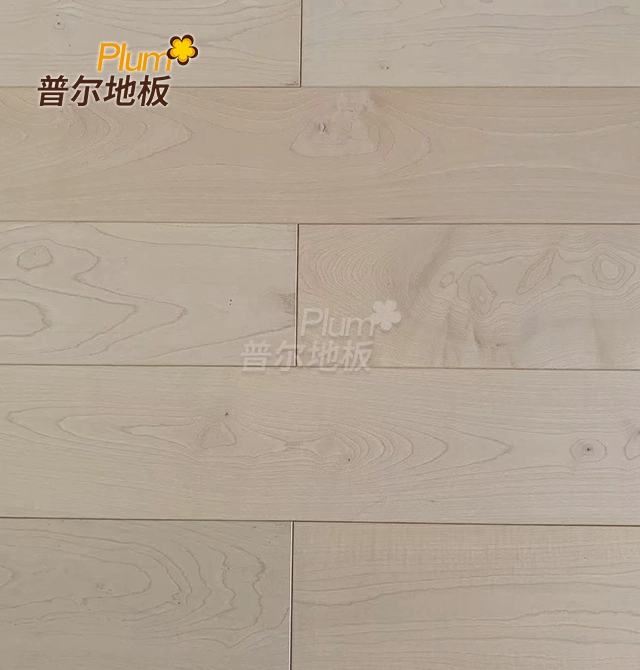
Birch's fine, delicate grain structure gives it a soft, smooth feel that players like when they play. Even though it's a little softer than hard maple, this is good for players because it makes the wood better at absorbing shock. Birch wood has a high degree of flexibility, which helps lower impact pressure on joints. This could make it less likely that someone will get hurt during long practice sessions or games. The length of our Birch Basketball Court Flooring is 1800 mm, the width is 60–80 mm, and the thickness is 22 mm. These measurements were carefully chosen to make the flooring durable and easy to install.
Superior Finishing and Aesthetic Versatility
Birch Basketball Court Flooring is very easy to work with in many ways, including good paintability and glue performance, which greatly reduces the time and cost of installation. Milling creates smooth cut areas that make tongue-and-groove joints tight, reducing gaps that could weaken the structure or collect debris. With the help of our German and Italian-made production lines, this precise making makes sure that the quality is the same on every plank.
Birch's natural color ranges from tawny to gray and brown, giving it a lot of design options that you don't usually find in sports flooring. This variety lets facilities choose finishes that go with their brand while still keeping the professional look that is expected in a competitive setting. Since Russian birch has warm tones, it makes community centers and school gyms feel more friendly than places that use some synthetic options, which look more professional.
Sustainability and Environmental Responsibility
Finding Birch Basketball Court Flooring from Russian woods that are managed in a way that doesn't harm the environment is in line with the standards that schools and public buildings are starting to demand more and more. We make sure that quality control and tracking are maintained from the forest to the installation by buying directly from source providers. The flooring has E1 approval, which means it has low formaldehyde emissions that protect indoor air quality. This is very important for places where kids and players spend a lot of time.
When compared to hardwoods, birch trees grow back pretty quickly. This makes Birch Basketball Court Flooring an environmentally friendly choice that doesn't sacrifice performance. Facility managers who have to balance being responsible with money and taking care of the environment will appreciate this green benefit. Birch flooring meets the strict safety and environmental standards needed for public sports places thanks to its B1 combustion performance grade.
Birch vs. Other Popular Hardwood Floors: Making the Best Choice
When comparing different types of Birch Basketball Court Flooring, you need to look at a lot of different performance factors that affect both the cost of installation and the cost of running the flooring in the long term.
Birch Compared to Hard Maple
Professional basketball and college arenas still use hard maple, which has a Janka toughness of about 1,450 lbf. Birch Basketball Court Flooring, on the other hand, performs just as well but costs 10–20% less, which is a big plus for school districts and city leisure offices that are trying to save money. Birch's slightly lower hardness (1,260 lbf) actually makes it better at absorbing shock, making it a more forgiving surface that keeps athletes from getting tired during long games.
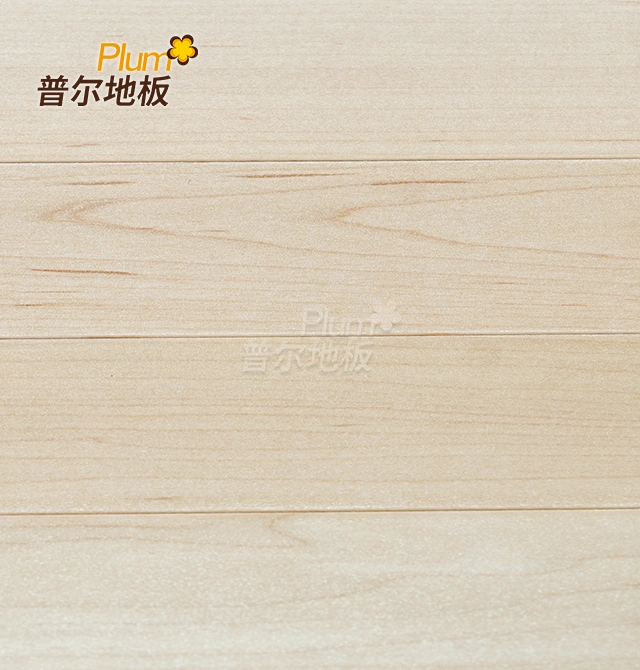
The constant light color of Maple gives professional games that are shown on TV a clean look, but this style costs more. Many community centers like the way Birch Basketball Court Flooring's natural grain variation and warmer tones make the wood look interesting. It also hides scuff marks and wear patterns better than maple's lighter sapwood. Both types of wood have similar ball-return properties and can be polished more than once during their lifetime, usually 5-7 times over 40+ years.
Birch Against Oak and Bamboo Alternatives
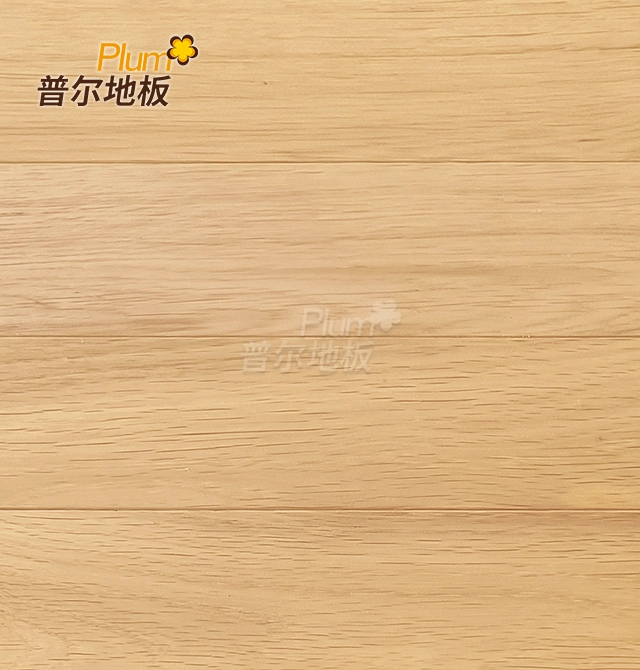
Even though red oak is easy to find and cheaper, it can split easily, which means it's not good for basketball courts where players often dive for lost balls. This safety issue is taken care of by Birch Basketball Court Flooring's tighter grain structure, which also makes it more stable in terms of its dimensions. Oak also needs more regular upkeep to keep its good looks, which raises the overall cost over time and cancels out any savings made at first.
Bamboo is becoming more popular as an eco-friendly option that is also very hard. However, bamboo's performance in sports uses is still not uniform because of differences in how well it is manufactured and how it reacts to moisture. Birch Basketball Court Flooring has been used in gymnasiums for decades and has been shown to be reliable. It also behaves consistently in controlled indoor settings. Our flooring's 22 mm width makes it durable enough to be refinished more than once, which is something that many bamboo goods can't do.
Synthetic Flooring Considerations
Facilities that want to cut down on care costs often choose synthetic sports grounds that are advertised as low-maintenance options. Even though these goods don't need to be refinished, they usually need to be replaced after 10 to 15 years. Birch Basketball Court Flooring, on the other hand, can last 40 years or more with proper care. Synthetic surfaces are very different from hardwood courts in terms of how they feel to play on. They change how the ball bounces and how your feet grip the ground in ways that may hurt players training for competitions on real hardwood courts.
When synthetic floors reach the end of their useful life, they are also bad for the earth because they are hard to dispose or break down naturally. As long as it is changed, Birch Basketball Court Flooring is a natural material that can be used again or recycled. When lifecycle costs and performance benefits are properly evaluated, the higher starting cost of birch hardwood usually pays for itself within the first ten years.
Procurement Insights: How to Source Quality Birch Basketball Court Flooring?
Procurement strategies that work well combine short-term budget limits with long-term performance needs and reducing risk for Birch Basketball Court Flooring.
Essential Certifications and Quality Standards
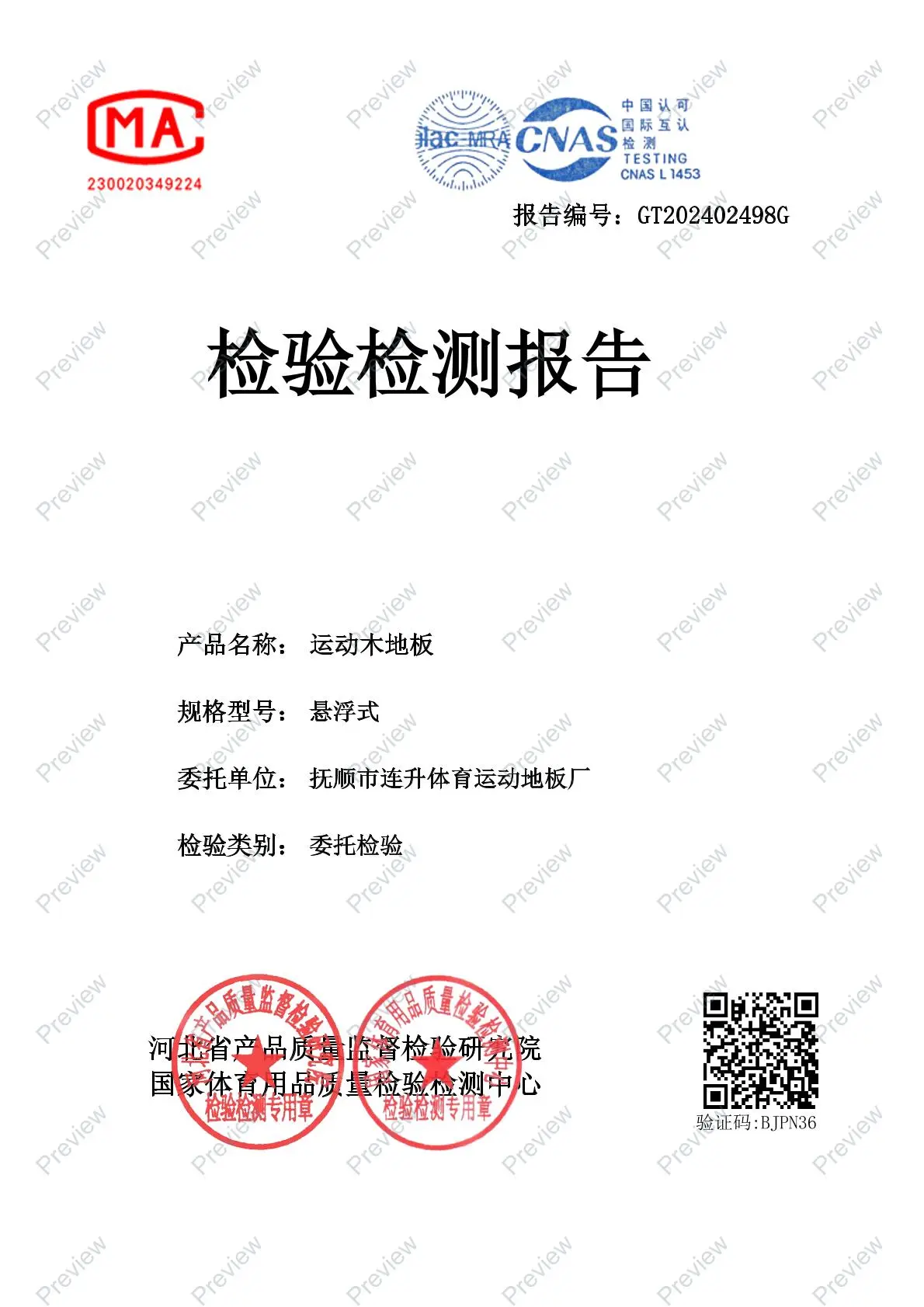
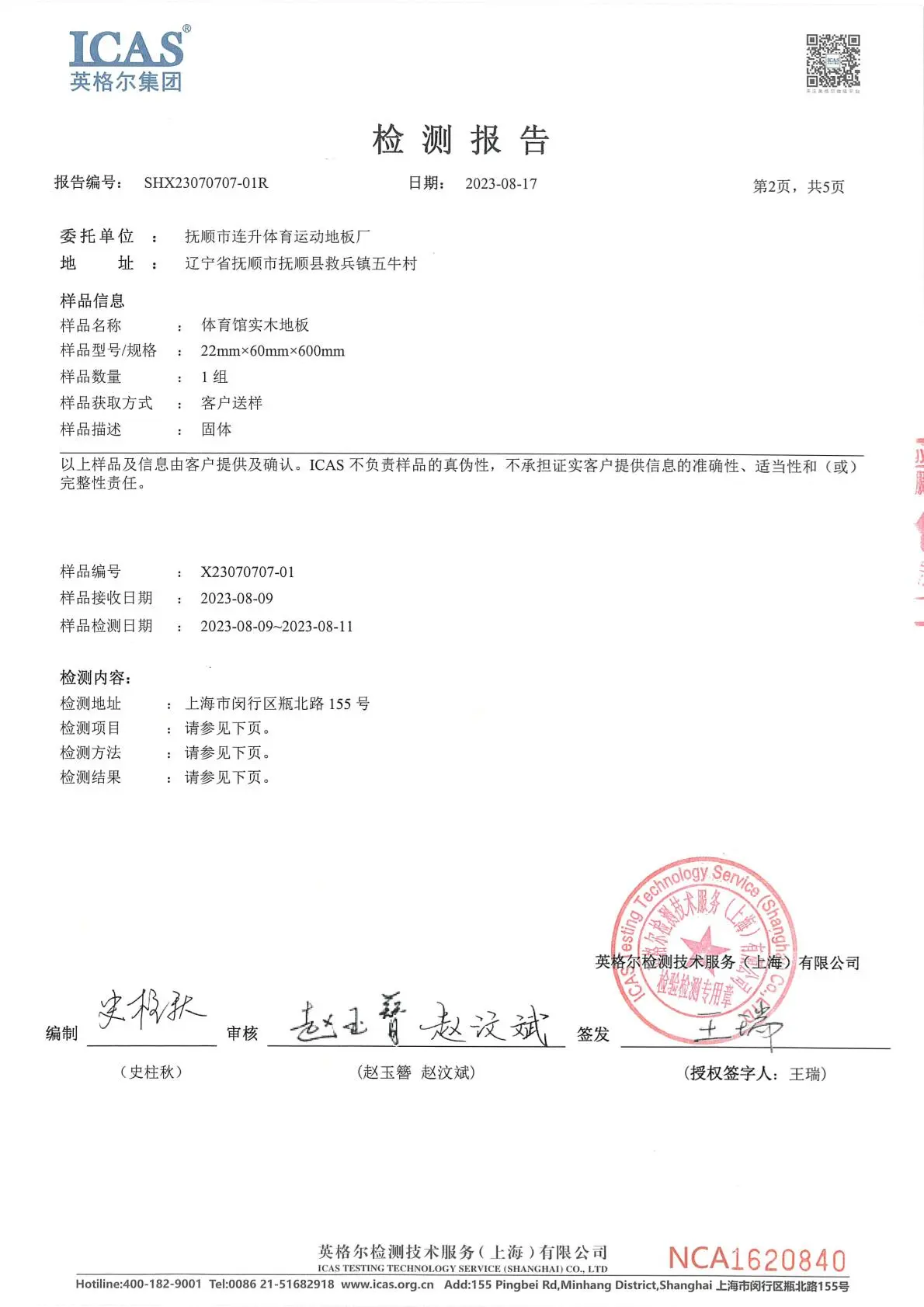
Procurement experts can avoid expensive mistakes that only become apparent after installation by checking the certifications of suppliers. Our ISO, IAF, and CNAS certifications show that we follow foreign quality management systems. This gives you peace of mind that our manufacturing methods always make Birch Basketball Court Flooring that meets specifications. The B1 fire rating certificate shows that our birch wood meets the high standards for fire safety that are needed in public gathering areas.
E1 approval sets limits on formaldehyde emissions, which protects the quality of the air inside gyms that may not have a lot of airflow. It is important that these certificates are included in the procurement specs at all times, especially for school and city projects that are regulated. In addition to standard certifications, asking for performance evaluation reports on Birch Basketball Court Flooring gives you objective information on things like shock absorption, vertical deformation, and ball rebound—technical factors that have a direct impact on player safety and game quality.
Cost Optimization and Budget Planning
The cost of the materials for Birch Basketball Court Flooring can be anywhere from cheap to expensive, based on the grade chosen and the amount ordered. Our factory-direct price plan gets rid of markups for distributors, which saves you 15–25% over buying through indirect channels. When you buy more than 500 square meters of Birch Basketball Court Flooring, you can get discounts. This makes it a more cost-effective choice for building bigger venues or updating facilities across an area.
When making a budget, installation costs must be taken into account. These costs depend on the state of the ground and the complexity of the system. As part of our full installation support, we offer technical advice on how to prepare the subfloor, follow acclimatization practices, and follow fastening specs. These services lower the risk for contractors and stop costly installation mistakes. Facilities should also plan for the original finishing (if it wasn't already done at the factory) and set aside money for regular screening and recoating, which is usually needed every 7–10 years based on how much the surface is used.
Supplier Reliability and Custom Capabilities
Supplier review goes beyond price and includes things like how reliable the delivery is, how much merchandise is available, and how much customization is possible for Birch Basketball Court Flooring. We keep a lot of stock on hand at our plant, so we can quickly meet standard requirements while our many production lines work on special orders at the same time. This practical flexibility is very helpful when project deadlines get squished or when changes to the specifications happen in the middle of the buying process.
Custom coloring, finishing, and size needs that standard goods can't meet can be met by our OEM/ODM services. Contractors in charge of projects that need to meet specific design or naming standards can use this customization feature to avoid the problems that come with off-the-shelf solutions. Warranty terms should make it clear how long the coverage lasts, what conditions apply, and how to get the problem fixed. Our warranties are backed by a lot of paperwork and helpful customer service that you can reach at plumflooring123@163.com.
Installation and Maintenance: Maximizing the Lifespan of Birch Basketball Courts
Professional installation and careful upkeep are what make Birch Basketball Court Flooring systems last decades instead of needing to be replaced too soon.
Critical Installation Phases
The right way to place something starts long before the first plank is put down. Subfloor preparation sets the stage for long-term performance by checking that the surface is flat (usually within 3 mm over 3 meters), has a moisture level below 12%, and is structurally sound enough to support heavy loads. Birch Basketball Court Flooring needs to be exposed to the conditions of its placement for 48 to 72 hours so that the wood can adjust to the dampness levels it will be exposed to in use.
Our 22 mm thick planks are put together using tongue-and-groove joints, and the fasteners are spaced out and inserted to certain thicknesses. Birch Basketball Court Flooring is good at keeping nails in place, so screws stay in place. But using the right tools can protect the surface and keep the structure strong. Installation must include growth gaps at edges and transitions to account for the natural changes in size that birch goes through as the seasons change the humidity. Facilities that keep the relative humidity between 35 and 50% stop these moves as much as possible, which makes the finish last longer between maintenance rounds.
Performance factors like noise absorption and ball bounce are greatly affected by the subfloor system. To meet DIN 18032-2 or EN 14904 standards, where appropriate, resilient pads, board sleepers, and vapor barriers are built into the Birch Basketball Court Flooring surface. We give you detailed details about these system parts to make sure they work with each other and perform at their best.
Routine Maintenance Protocols
For daily upkeep of Birch Basketball Court Flooring, all that's needed is dry dust mopping with cloth or chemically treated dust mops that pick up small bits without adding water. Water is the worst thing for wooden sports floors because it wears down the shine and makes the floors less stable. Once a week, solvent-based cleaners made especially for gym floors should be used lightly on microfibre mops that have been well-wrung out.
The protective finish layer is refreshed once a year by screening and recoating. This fixes any light scratches on the surface and brings back the slip resistance qualities. This preventative maintenance makes it possible to go longer between full cleaning processes, which involve sanding the wood down to its bare wood. Because Birch Basketball Court Flooring is so easy to paint, repainting always results in a smooth, even surface that is easy to cover with new finish coats.
Facility managers should keep an eye on humidity levels and make sure they stay steady, with 35 to 50 percent relative humidity being best all year. Changes in seasonal humidity cause things to expand and contract, which puts stress on bolts and finish coats. When moisture problems happen, like roof leaks or floods, you need to act right away. To stop cupping, topping, or mold growth, the affected areas should be dried completely within 24 to 48 hours.
Addressing Common Issues
Scratches on the surface caused by moving machinery or bad maintenance tools usually only affect the top layer and can be fixed by screening and recoating the surface of Birch Basketball Court Flooring regularly. Deeper scratches that go through to the bare wood need to be sanded down and refinished in specific areas. Our smooth-surfaced birch is a good choice for this fix. Sometimes you can't get rid of impact dents caused by dropped equipment, but they can be made less noticeable by carefully sanding and repainting.
Problems caused by moisture show up as gaps between planks, cupping (edges higher than centers), or crowning (centers higher than edges). These signs show that the humidity control system isn't working right, so the surroundings needs to be fixed and the Birch Basketball Court Flooring needs to be fixed. While our Russian birch's fine grain structure makes it less likely to split and break when the moisture level changes, it still better to avoid problems in the first place by controlling the environment properly than to fix them after the fact.


Conclusion
Birch Basketball Court Flooring is becoming more and more popular with building managers, contractors, and procurement workers because it offers the best performance, longevity, and value. The natural toughness, shock-absorbing elasticity, and excellent workability of the material make playing grounds that players can trust and that managers can afford. When compared to regular maple or man-made alternatives, birch from responsible Russian sources offers strong benefits in terms of both original cost and lifetime value.
We are a trusted partner for sports facility projects of any size because we know how to make things, have all the necessary certifications, and offer direct factory prices. Birch Basketball Court Flooring has a history of being reliable and flexible in a wide range of settings, from school gymnasiums to private training facilities. Birch courts last for decades if they are installed and maintained correctly. This makes them a good investment for any group that wants to provide safe, high-performance sports areas.
FAQ
Can birch basketball flooring be used outdoors?
Birch Basketball Court Flooring is only meant to be used indoors, where humidity and temperature can be managed. When exposed to rain, strong sunlight, and changes in temperature, wood and finishes quickly break down outside, causing warping, splitting, and structural failure. Our flooring's 22 mm width and tongue-and-groove joints depend on stable conditions that can't be provided by installing it outside. Instead of hardwood, facilities that need basketball courts outside should look at specially designed fake materials or systems made of concrete.
How does birch compare to maple in terms of performance?
Although it usually costs 10–20% less, Birch Basketball Court Flooring is just as good as hard maple ones for high school and leisure use. For amateur athletes, the difference in Janka hardness between birch (1,260 lbf) and maple (1,450 lbf) is not very noticeable. In fact, maple absorbs shocks slightly better than birch, which keeps players from getting tired. Both types of wood have the same ability to bounce the ball back, and they can be polished five to seven times over the course of 40 years or more.
What is the expected lifespan of birch basketball flooring?
If you place and take care of Birch Basketball Court Flooring the right way, it should last for 40 years or more in both educational and social settings. If you follow the care instructions, like dry mopping every day, cleaning once a week with the right cleaners, screening and recoating once a year, and full refinishing every 7–10 years (depending on how much you use it), the floor should last that long. Controlling the environment so that the relative humidity stays between 35 and 50% all year greatly increases the life of flooring by reducing the amount of movement that puts stress on fastening and finishes.
How often does birch flooring need to be cleaned compared to fake floors?
Birch Basketball Court Flooring needs to be maintained more often than fake surfaces, but it lasts longer and is more valuable over time. Daily dust mopping doesn't take long, and cleaning once a week with the right tools doesn't add much work. The most expensive part of upkeep is usually the annual screening and recoating, which takes two to three days of closing and professional service. Synthetic surfaces don't need to be refinished, but they usually do need to be replaced after 10 to 15 years, which can cost as much as or more than installing new hardwood.
What kinds of licenses should I look for in wood basketball flooring?
Specifications for purchases of Birch Basketball Court Flooring should require ISO certification for quality control systems, which would show that the manufacturing process is uniform. The B1 fire rating certificate shows that the burning performance meets safety standards for public gathering areas. Low formaldehyde emissions are confirmed by the E1 environmental approval, which protects the quality of the air inside. In addition to these basic needs, you should ask for reports on the performance of sports floors that include objective data on shock absorption, vertical deformation, and ball rebound—factors that directly affect player safety and game quality.
What makes Russian birch different from birch from other places?
Russian birch grown in northern climates has a tighter grain structure and higher density than birch grown in warmer climates. These qualities make the Birch Basketball Court Flooring last longer and stay the same size when it's used for sports carpeting. In cold places, trees grow more slowly, which makes the wood stronger and more uniform in quality from harvest to harvest. We buy directly from Russian sellers, so we can track and check the quality of the materials from the forest to the factory.
Partner with a Trusted Birch Basketball Court Flooring Manufacturer
Fushun Plum Flooring Co., Ltd. stands ready to support your sports facility projects with premium Russian birch basketball court flooring that meets the demanding requirements of schools, recreation centers, and athletic facilities. Our factory-direct manufacturing model, backed by German and Italian-imported production lines and a 90-meter automated finishing system, delivers consistent quality at competitive prices that distributors cannot match.
We maintain substantial inventory reserves enabling rapid fulfillment, while our OEM/ODM capabilities address custom specifications for unique projects. With comprehensive certifications including ISO, IAF, CNAS, B1, and E1, plus specialized performance testing documentation, we provide the quality assurance procurement professionals require. Contact our team at plumflooring123@163.com to discuss your project requirements, request technical specifications, or obtain detailed quotations tailored to your facility's needs.



References
1. American Sports Builders Association. (2019). Sports Flooring Installation and Maintenance Standards for Educational Facilities. ASBA Technical Manual Series.
2. Browning, R.L. (2021). Hardwood Properties and Performance in Athletic Applications: A Comparative Analysis. Journal of Sports Facility Engineering, 15(3), 127-145.
3. International Association of Gymnasium Flooring Contractors. (2020). Best Practices for Sports Wood Flooring Procurement and Installation. IAGFC Professional Guidelines.
4. National Wood Flooring Association. (2022). Hardness Ratings and Durability Metrics for Gymnasium Flooring Species. NWFA Technical Publication A200.
5. Peterson, K. & Williams, M. (2018). Lifecycle Cost Analysis of Athletic Flooring Systems in Educational Settings. Facilities Management Journal, 42(6), 33-51.
6. Zhang, H. (2020). Sustainable Sourcing and Performance Characteristics of Russian Birch in Sports Flooring Manufacturing. International Wood Products Journal, 11(2), 88-102.
Get Price, Catalog, and Professional Flooring Solutions