- English
- French
- German
- Portuguese
- Spanish
- Russian
- Japanese
- Korean
- Arabic
- Greek
- German
- Turkish
- Italian
- Danish
- Romanian
- Indonesian
- Czech
- Afrikaans
- Swedish
- Polish
- Basque
- Catalan
- Esperanto
- Hindi
- Lao
- Albanian
- Amharic
- Armenian
- Azerbaijani
- Belarusian
- Bengali
- Bosnian
- Bulgarian
- Cebuano
- Chichewa
- Corsican
- Croatian
- Dutch
- Estonian
- Filipino
- Finnish
- Frisian
- Galician
- Georgian
- Gujarati
- Haitian
- Hausa
- Hawaiian
- Hebrew
- Hmong
- Hungarian
- Icelandic
- Igbo
- Javanese
- Kannada
- Kazakh
- Khmer
- Kurdish
- Kyrgyz
- Latin
- Latvian
- Lithuanian
- Luxembou..
- Macedonian
- Malagasy
- Malay
- Malayalam
- Maltese
- Maori
- Marathi
- Mongolian
- Burmese
- Nepali
- Norwegian
- Pashto
- Persian
- Punjabi
- Serbian
- Sesotho
- Sinhala
- Slovak
- Slovenian
- Somali
- Samoan
- Scots Gaelic
- Shona
- Sindhi
- Sundanese
- Swahili
- Tajik
- Tamil
- Telugu
- Thai
- Ukrainian
- Urdu
- Uzbek
- Vietnamese
- Welsh
- Xhosa
- Yiddish
- Yoruba
- Zulu
Is birch flooring better than oak flooring?
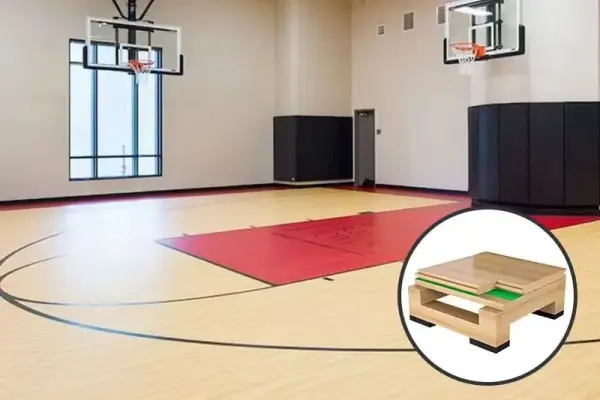
When looking at flooring options for sports buildings, picking between birch and wood is a smart choice that affects budget, performance, and athlete happiness. In some sporty uses, Solid Wood Birch sports flooring is preferable to oak because of its superior flexibility, shock absorption, and workability. While oak is very hard and has a classic look, birch is better at springing and returning energy, which are important qualities for basketball fields, dance studios, and multipurpose gyms. Birch, which has a Janka hardness grade between 1260 and 1470 lbf, is slightly softer than oak. This makes it more forgiving when athletes jump over and over again, which keeps their joints from getting tired. Based on our research, the best choice relies on how often your facility is used, your income, and your performance goals.
Why Choose Fushun Plum
Understanding Solid Wood Birch and Oak Flooring: Key Characteristics
Botanical Origins and Visual Distinctions
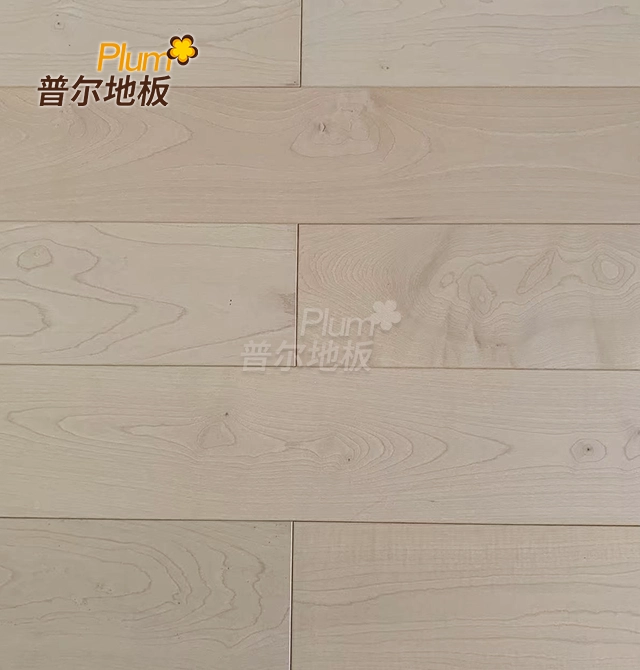
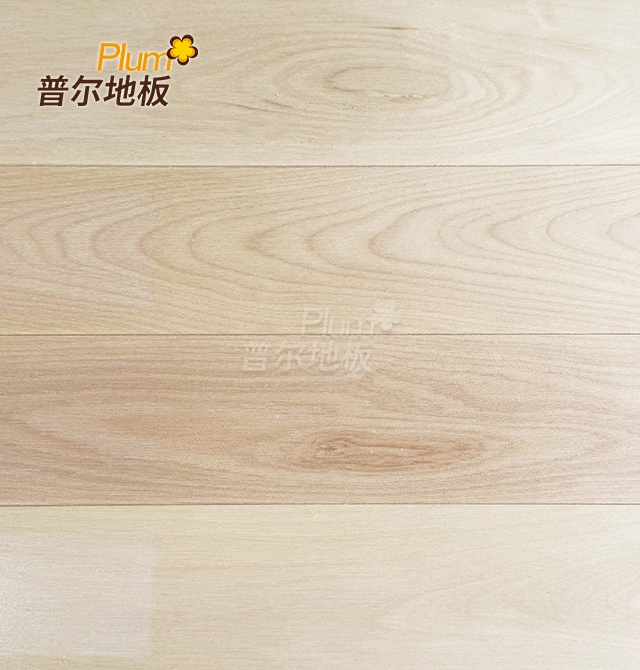
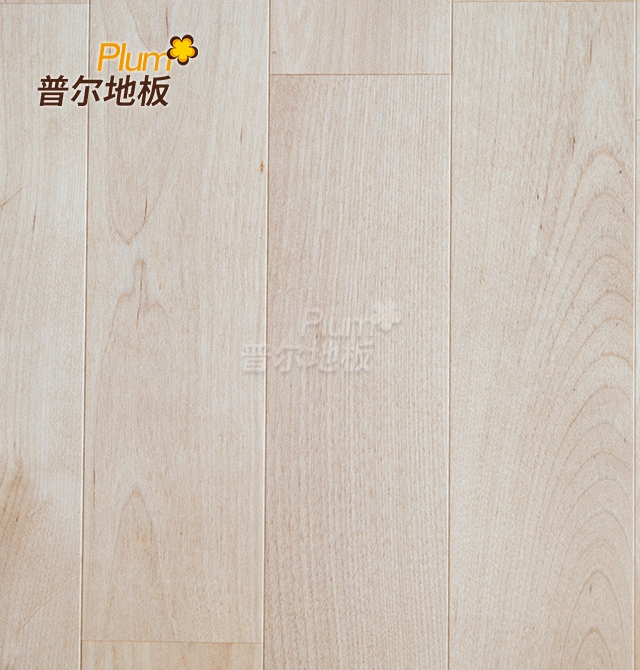
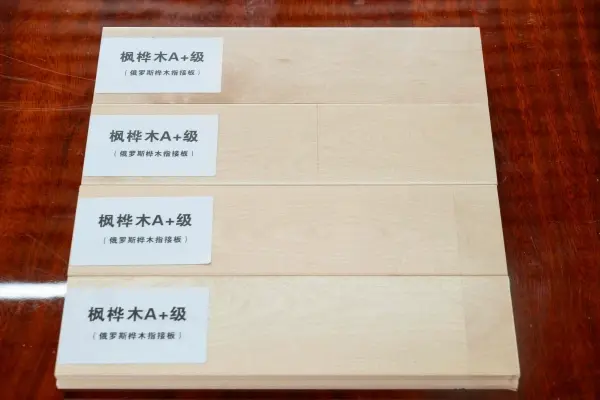
Birch and oak come from very different plant groups. Because of this, their grain patterns and color differences are very different, which can affect how nice a sports area looks. Birch, which we mostly get from Russian woods for our manufacturing, has very fine and delicate grain structures that vary slightly, giving big installations a uniform look. Birch is great for places that need a smooth surface and constant color—it comes in tawny, gray, and brown finishes—so people can see what they're looking at without being distracted by patterns.
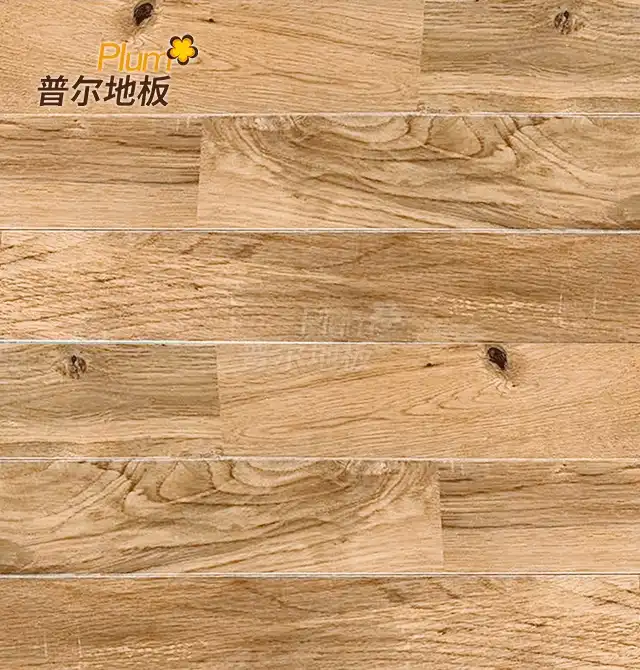
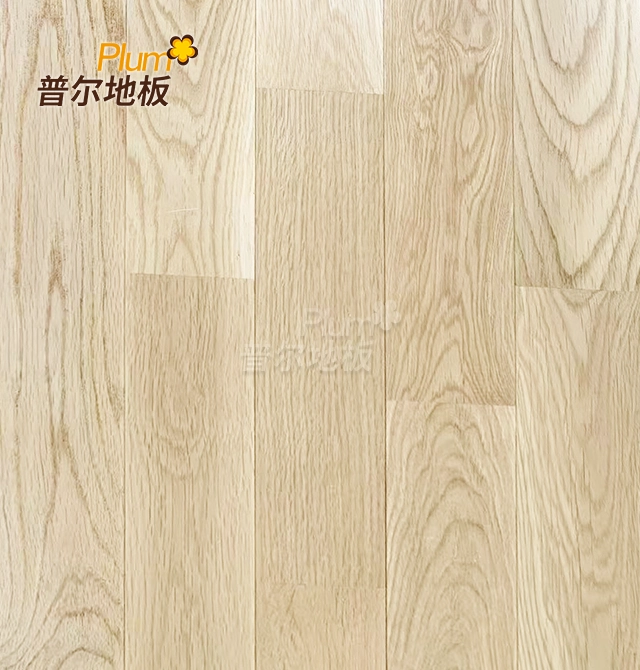
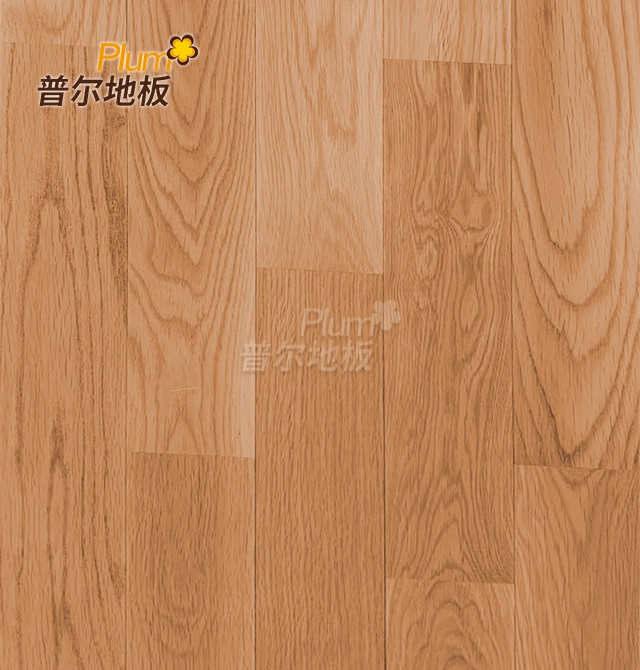
Oak, on the other hand, has bigger differences between logs and more noticeable wood patterns. This unique look is good for facilities that like traditional looks, but it can make things harder to see in places where athletes need clear sight lines and direction cues. Because oak has thicker grains, it has a higher Janka hardness grade, which is usually between 1290 and 1360 for white oak and slightly higher for red oak. This makes it harder than yellow birch but about the same as sweet birch.
Manufacturing Processes and Production Nuances
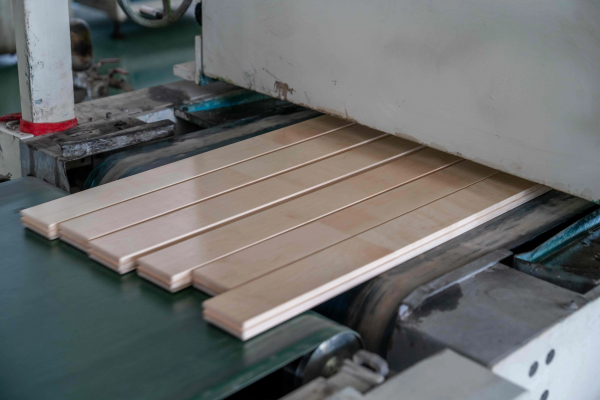
The first step in making birch sports flooring is carefully choosing the raw materials. Straight-grained sections with few knots or other flaws are preferred. Our production lines use imported German and Italian machinery to get very accurate cutting limits. This lets us make planks that are 1800 mm long, 60 to 80 mm wide, and 22 mm thick. This standard dimension makes the best use of both material yield and construction speed for big sports venue projects.
Birch is very easy to work with, which is a big plus for making. The material reacts consistently to cutting operations, producing smooth cut surfaces that don't tear or splinter, which can lower the quality of the finish. It's easier to paint and glue these materials because they have this quality, which lets you use uniform finishing methods that make them last longer and look better. Our 90-meter-long automated painting production line uses multiple finish coats and exact thickness control to make sure that the surface qualities are the same from batch to batch.
Because oak is denser, it needs more harsh cutting settings, which could make tools wear out faster and take longer to make. Oak can be machined very well if the right methods are used, but because it is so hard, it needs stronger tools and people who know what they're doing. These production factors affect both the cost of making the goods and the time it takes to deliver them. Procurement workers have to think about these factors when they look at large orders with tight deadlines.
Thickness Specifications and Finish Options
Standard specs for sports flooring say that it should be 22 mm thick so that it has enough structural strength while still being flexible enough. This measurement takes into account the stress that comes from sports activities while still leaving enough material depth for regular repair over the floor's lifetime. These thicknesses of birch are tough enough to provide solid performance without the need for more mass that heavier hardwoods might need.
Finish choices have a big effect on both efficiency and upkeep needs. Our birch sports flooring systems come with a variety of finish options, such as water-based polyurethane systems that meet E1 emission guidelines and UV-cured coats that speed up the manufacturing process. Birch is better for painting, so the finish will stick well and have the same sheen level across the whole installation. These finish systems need to have slip resistance ratings between 80 and 110 standard units. This is to make sure that athletes are safe when they have to quickly change directions while still allowing them to move around during the game.
Standardized dimensions and a finish that responds in a predictable way make inventory management easier and support just-in-time shipping plans. Our facility keeps a lot of raw materials on hand in case of emergency. This is very helpful when building schedules get squished because of things like weather delays or the difficulties that come with coordinating the development of a big venue.
Performance and Durability Comparison of Birch vs Oak Sports Flooring
Wear Resistance, Hardness, and Service Life
The Janka hardness measure is a standard way to compare how resistant different types of wood are to wear and denting. Yellow birch measures 1260 lbf, which is a little less than red oak's 1290 lbf. Sweet birch, on the other hand, measures 1470 lbf, which is higher than even hard maple. Based on these measures, birch flooring from either type is durable enough for hardwood floors that get mild to heavy foot traffic. This is important to know for school gyms and community sports centers that are open 40 to 60 hours a week.
Performance in the real world goes beyond strength grades from the lab. The fine grain structure of birch wood spreads contact forces more evenly across the surface, which could make individual dent marks less noticeable compared to oak, which has a more open grain pattern. This feature is especially useful in community gyms that are used for more than one thing, since moving loads from retractable benches and equipment carts create stress spots. The material's ability to hide small dents and built-up dirt is useful in places where keeping things looking nice affects how people see them and how happy they are with them.
Service life estimates depend a lot on how often the service is used and how well it is maintained. If you keep wood sports flooring in schools in good shape, it should last between 15 and 25 years before it needs to be replaced completely. This material will last longer if it is screened and re-coated every 5 to 7 years. This is because the surface protection is renewed before wear gets into the base material. When used in similar ways, oak flooring has similar life curves. This means that the difference in hardness is less important than the amount of upkeep needed to determine the total cost of ownership.
Shock Absorption and Acoustic Properties
How well flooring systems absorb and return impact energy is very important for both athletic success and injury protection. According to industry standards, Solid Wood Birch sports flooring has better spring qualities than oak because it has a little more flexibility. It refers to the material's ability to bend when it's loaded and give back energy to the player during the push-off part of running and jumping.
Professional-grade birch sports flooring meets or beats the vertical deformation requirements set by EN 14904 and DIN 18032-2. Depending on the base design, it can usually achieve deflections of 2.3mm to 5mm. This well-balanced flexibility lowers the impact forces that hit athletes' joints when they land. This lowers the combined stress that can lead to overuse injuries after long training sessions. Because it is slightly softer than maple and oak, it has what biomechanics experts call a more forgiving modulus of elasticity. This is especially helpful in dance classes and aerobics centers where jumping over and over again is a common form of exercise.
Users' happiness is affected by acoustics in sports areas that are closed off, as sound reverberation can make it hard to communicate and raises the level of background noise. The cellular structure of birch doesn't absorb sound as well as denser trees, but the changes aren't too noticeable in real life. For the best soundproofing, both birch and oak flooring systems need the right underlayment materials and subfloor design. Species choice is not as important as total system design when it comes to controlling sound features.
Maintenance Protocols and Long-Term Cost Implications
Birch and oak sports floors still need about the same amount of daily maintenance: dust mopping to get rid of rough particles and damp mopping every so often with pH-neutral cleaning solutions. Birch's smooth texture and better finish bonding might make these everyday jobs easier by keeping dirt out of the grain depressions that happen in species with more open grains. This small benefit cuts down on work time in places where cleaning teams have to cover a lot of areas in a short amount of time during the overnight maintenance windows.
Refinishing costs are a big part of the long-term costs of owning a car. Because birch is so easy to work with, screening processes that remove damaged finish coats while keeping the structure of the base material require less work. If you use the right grit progressions, the material will sand regularly. However, if you don't do it right, the surface will be rougher and need more adjustment passes. Training maintenance staff in the right way to do things or hiring experienced sports flooring experts is the best way to get great results while keeping cleaning costs low.
To find the total cost of ownership, you have to guess how often upkeep will be needed based on how long the product is expected to last. A 5,000-square-meter gym that's used 50 hours a week might need to be screened and recoated every six years, which would cost between $8 and $12 per square meter. This would add up to 40,000 to 60,000 USD in lifetime maintenance costs over the course of 20 years. The main way that material choice affects these predictions is through changes in wear rates. Birch and oak both perform about the same when used at the right levels of intensity. The more important factors are the quality of the original installation and the consistency of the upkeep program, not the species' natural traits.
Environmental and Economic Considerations in Flooring Selection
Sustainability and Responsible Sourcing
As more business buyers accept sustainability requirements and seek green building certifications, environmental duty plays a bigger role in their buying decisions. Birch from Russian woods that is taken in a way that doesn't harm the environment is a renewable resource as long as the companies that get it follow the rules for replanting and protecting ecosystems. Our supply chain includes raw materials from sellers who are committed to sustainable gathering. This makes sure that we always have what we need without adding to the problem of deforestation.
Certification systems make environmental promises official by a third party, which purchasing professionals can use when evaluating vendors. Our birch sports flooring goods have E1 emission approval, which means they release less than 0.124 mg/m³ of formaldehyde. This is well below the strict European and North American standards for indoor air quality. This approval is very important for public and school buildings where the health and safety of the people who work there is a top priority. More ISO 14001 environmental management system approval shows that the company is dedicated to reducing the damage it does to the environment during all of its production processes.
woods in North America that grow oak also use sustainable farming methods. However, the distances between North American woods and Asian factories that make oak can make the carbon effect more important. When making full sustainable scorecards, procurement teams that have to balance environmental impact against cost must take these logistics factors along with material qualities into account. Because both species can be grown again and again, they are better for the environment than manmade options over the course of their entire lives. This is especially true when the materials are thrown away in a way that recovers energy from biomass instead of putting them in a landfill.
Cost Breakdown and Budget Planning
The budget for a Solid Wood Birch sports flooring project starts with the cost of the materials, which for fine birch products usually ranges from 35 to 65 USD per square meter, based on the grade chosen and the amount ordered. Our direct producer pricing system gets rid of the markups that distributors add, which can make prices go up by 20 to 40 percent in other ways of buying things. When you buy more than 1,000 square meters, you can get a deal because you're buying in bulk. This is the same size requirement that is popular in building professional sports venues and school district renovation projects.
Installation costs depend on the state of the subfloor, how easy it is to get to the spot, and the cost of workers in the area. Standard nail-down installation over screeded concrete or wooden joist systems costs between 12 and 18 USD per square meter for qualified sports flooring companies to do. Birch is good at keeping nails in place and is easy to work with, which could make installation faster than with thicker species that need to be pre-drilled for fastener placement. However, these differences only add up to small savings on most projects. Layouts that are more complicated and have a lot of court marks or decorative inlays take more work.
Terms and conditions are very important when negotiating because they affect how risk is shared between the buyer and the seller. Our standard warranty covers production flaws and finish failures before their time under normal use conditions for 3 to 5 years. For projects that meet certain maintenance routine requirements, we can stretch the guarantee for an additional year or two. Professionals in procurement should carefully look over guarantee exceptions, especially those that deal with damage caused by moisture and refinishing restrictions that can lead to unexpected costs if site operations don't follow the guidelines that were suggested.
Supply Chain Dynamics and Lead Times
Planning ahead for lead times is an important part of project management in building a sports arena, where putting down the flooring is the most important step between finishing the structure and opening the facility. Our large inventory reserves of raw materials allow production to begin within 5–7 business days of order confirmation for normal specs. Manufacturing and quality control take an extra 10–15 days, based on the number. To account for sampling approval processes and custom production setup, custom color matching or non-standard measurements add 10 to 15 days to the lead time.
When planning a project, procurement workers must take into account the extra scheduling variables that come with international shipping. It usually takes 25 to 35 days for containers to travel from Asian factories to places in North America via ocean freight, which includes clearing customs and getting to the final job sites by land. As part of our logistics coordination services, we can combine shipping plans for projects that take place on more than one spot and offer expedited air freight choices when tight deadlines warrant higher transportation costs. Clear communication about delivery needs during the quote stage avoids schedule problems that can affect other building activities that depend on the first one.
Recently, global problems that affected the abundance of materials and the ability of transportation to move them have made supply chain resilience more important. Our many ties with suppliers of raw materials and well-kept inventory buffers protect us from breaks in single-source supplies that have happened to rivals using lean inventory models. This way of running the business slightly raises the cost of having inventory, but it provides reliability that is very helpful when project fines for schedule delays are higher than the marginal cost of inventory. Along with price, procurement teams that are looking at a supplier's skills should also look at their business survival planning and supply chain redundancy as ways to lower risks.
Installation and Practical Procurement Insights
Installation Methods and Labor Requirements
No matter what material is used, the success of a Solid Wood Birch sports flooring system depends on how well it is installed. Most birch sports flooring is installed with nail-down fastening over wooden sleeper systems that have durable pads that absorb shock, which is what athletic uses need. To use this method of assembly, you need skilled workers who know how to calculate expansion gaps, space fasteners properly, and test for moisture under the floor in a way that keeps the system from failing too soon.
How hard an installation is depends on the size and shape of the building. A three-person group might need four to six days to build a normal 420-square-meter basketball court. This includes preparing the subfloor, installing the sleeper system, putting down the flooring, and preparing the first surface. Birch is easy to work with, which makes trimming around set equipment and building features easier. This could save time and effort compared to harder species that need more aggressive cutting methods. The better gluing performance of the material supports other placement methods, such as engineered floating systems that work well for remodeling projects where existing concrete blocks make traditional fastening methods impossible.
During fitting, quality control checks are done at several places to make sure that the flatness tolerances, moisture content parameters, and bolt pattern match the manufacturer's requirements. Our expert support team helps with big projects on-site, making sure that installation crews follow system designs correctly so that they meet performance goals set by EN 14904 and DIN 18032-2 standards. This way of working together lowers the chance of having to do expensive repairs after installation mistakes make materials not work as well as they should, even if the goods meet the specifications.
Customization and OEM-Tailored Solutions
More and more, business-to-business purchases need to be able to be customized in ways that go beyond standard product lists. This is so that facilities can meet their own needs and brands can benefit. Our OEM/ODM service platform allows for custom color development to meet institutional themes, dimensional changes to accommodate non-standard joist spacing, and pre-finished game line integration that gets rid of the need to paint after installation. These customization options are especially useful for professional sports venues and business exercise centers that want to reinforce their brand identity through looks.
Our manufacturing is flexible because we have multiple production lines running at the same time. This lets us handle different specifications at the same time without causing bottlenecks that make lead times longer. This operational model helps engineering firms handle multiple projects at the same time with different specification needs. It also makes handling vendors easier by combining purchases from a single source. Being able to switch between standard and custom production runs without any problems shows a level of manufacturing skill that smaller providers often can't match without losing efficiency.
Getting technical advice while writing specifications helps buying teams make plans that are as cost-effective as possible without sacrificing performance standards. Our applications engineering team looks at architectural plans and usage data to suggest the right material grades, finish systems, and subfloor layouts that meet functional goals and stay within budget. Value engineering chances that cut project costs by 8–15% compared to initial conceptual budgets made without maker feedback are often found through this collaborative method.
Supplier Reliability and Quality Assurance
If you want to know how reliable a provider is, you need to look at more than just price differences. Manufacturing capacity decides how quickly and accurately large orders can be filled. Our facility's many production lines and large square-meter processing capacity allow for the completion of several major projects at the same time without any scheduling issues. This operating scale sets larger companies apart from smaller ones that might have lower prices but don't have the means to keep their promises when demand goes up.
Quality management systems show that processes are being controlled and that people are committed to always making things better. Our ISO 9001 certification shows that we follow quality management principles that are known all over the world. These principles include written processes, regular internal audits, and corrective action plans for problems that aren't met. Professionals in purchasing can ask for quality documents like material test results, finish performance certifications, and dimensional tolerance checks to make sure that goods meet certain standards before they are shipped. This openness builds trust in the supply chain, especially when it's not possible to physically check goods before accepting them because of distance or other transportation issues.
Long-term happiness and total cost of ownership are affected by how well after-sales help works. As part of our service infrastructure, we offer a technical helpdesk via email at plumflooring123@163.com, replacement materials for fixing harm, and regular facility checks that look for upkeep needs and suggest ways to avoid problems before they happen. These support services go beyond warranty responsibilities to build relationships where the success of the provider is tied to the happiness of the customer over the course of many decades of the facility's life. When choosing a supplier, the guidelines for assessment should take these relationship factors into account along with transactional price.
Making the Optimal Choice: Birch or Oak for Your Sports Flooring Needs?
Application-Specific Scenarios
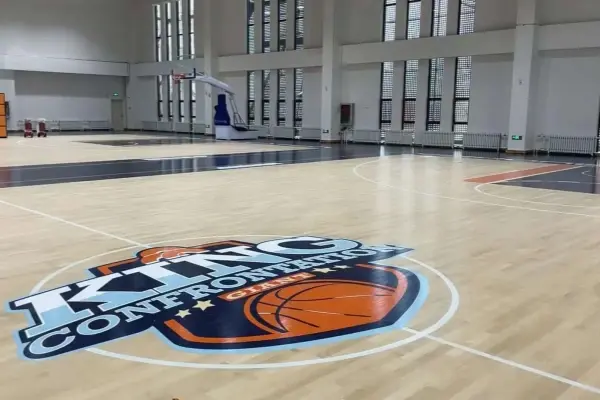
Because basketball players have to jump high and quickly change directions, birch sports flooring is a great choice for basketball courts. The better spring properties and slightly smoother makeup of the material lower joint stress during practices and games where hundreds of jumping movements are done over and over again. The fine grain structure makes it easy for players to see where they are going and keeps the slip resistance factors that are needed for quick cuts and defense slides. Because of these performance benefits, professional and college programs are specifying birch more and more for new building and repair projects.
Birch can handle different usage patterns without wearing out too quickly, which is good for neighborhood gyms that host a variety of activities. In the course of one day, these buildings could host everything from basketball games for kids to exercise classes for seniors to town hall meetings. This creates mechanical stress patterns that no one wood species can perfectly handle. Because birch is neither as hard nor as soft as maple, it is a good choice for situations where flexibility is more important than peak performance in a single trait. The material's ability to hide small dents visually is especially useful in these public areas that a lot of people can see.
In certain settings, like dance and aerobics rooms, birch's energy-returning qualities directly improve the safety and experience of users. The slightly more forgiving modulus of elasticity absorbs shocks well enough for the repeated jumping moves that are common in dance patterns and step aerobics classes. Instructors and studio owners say that switching from harder surfaces to properly designed wood systems makes students less tired and less likely to get hurt. Professional dance companies and exercise businesses are becoming more aware of these benefits, which is pushing specification trends in this growing market segment toward birch.
Risk Assessment and Trade-Off Analysis
Every choice of material comes with trade-offs that need to be carefully weighed against the project's goals. The slightly lower hardness of birch compared to oak makes it more likely to be damaged by concentrated impacts when heavy things are dropped or metal tools are pulled. If a building is going to be used for both workout equipment and court sports, it should include protection measures like equipment pads and restricted areas that stop these types of damage no matter what material is used.
Another important thing to think about is how stable the dimensions are when the humidity changes. When fitted with the right amount of expansion gaps and kept within the 35–50% relative humidity ranges common in climate-controlled sports buildings, birch performs well. If an environment doesn't have good HVAC control or where the seasons change a lot, there may be more movement, which means that growth gaps need to be bigger and tracking needs to happen more often. Because oak is sensitive to the same things, temperature control quality is more important than species selection when it comes to controlling the risks of dimensional stability.
Calculating a real return on investment means weighing the amount of money needed for the initial investment against how long the product is expected to last and how much it will cost to maintain. Material prices for birch are usually 5–10% less than for top oak grades, which can save a lot of money right away on big projects. But these initial savings might not be that big when compared to the costs over the whole life of the plant if the upkeep procedures are the same for all kinds. Instead of just looking for the lowest starting cost, procurement teams should make full financial models that include all cost factors over the expected service terms.
Strategic Decision Framework
For procurement to be done well, there needs to be a structured way to make decisions that compares different options based on goals set by the company. Our suggested evaluation matrix has five main parts: initial cost, durability over time, care needs, qualifications for sustainability, and source dependability. Giving these categories different amounts of weight based on institutional values allows for objective score that helps people make decisions they can defend when they buy something.
Companies that focus on costs might give the first price 40% of the total score, which is similar to how budget limits are common in the public sector and schools when buying things. This focus supports birch because it has low-cost materials and easy installation features that lower work costs. Companies that want the longest possible durability might put 35% of their weight on hardness scores and wear resistance, which could cause them to prefer harder oak types even though they cost more. There isn't a single weighting method that works for all situations; successful models are tailored to the needs of each company and project.
Conclusion
There is no one answer to the question of whether birch flooring is better than oak flooring for sports applications. The best choice relies on the needs of the facility, how it will be used, and the organization's goals. Solid Wood Birch sports flooring is the best choice for basketball courts, dance studios, and multi-use gymnasiums that want to keep athletes comfortable and save money. It is better at absorbing shock, returning energy, and being cost-effective. For as long as people want a hard surface and a classic look, oak will still be a good choice.
For procurement to go well, you need to do more than just compare materials. You need to do a full system-level analysis that looks at things like installation quality, upkeep commitment, and the strength of the supplier relationship. Because we can make things, have certifications, and have worked on projects before, we can help you make smart decisions during the review process.
Partner with a Trusted Solid Wood Birch Sports Flooring Manufacturer
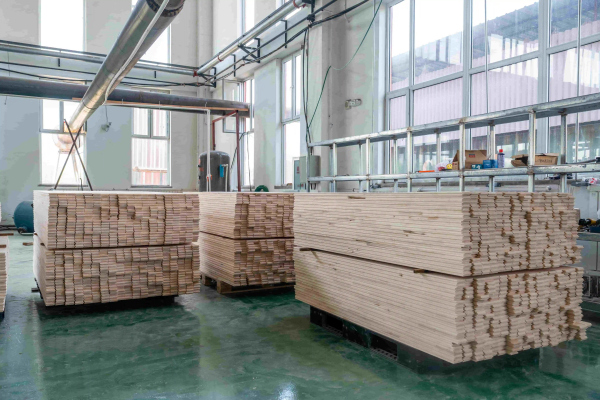
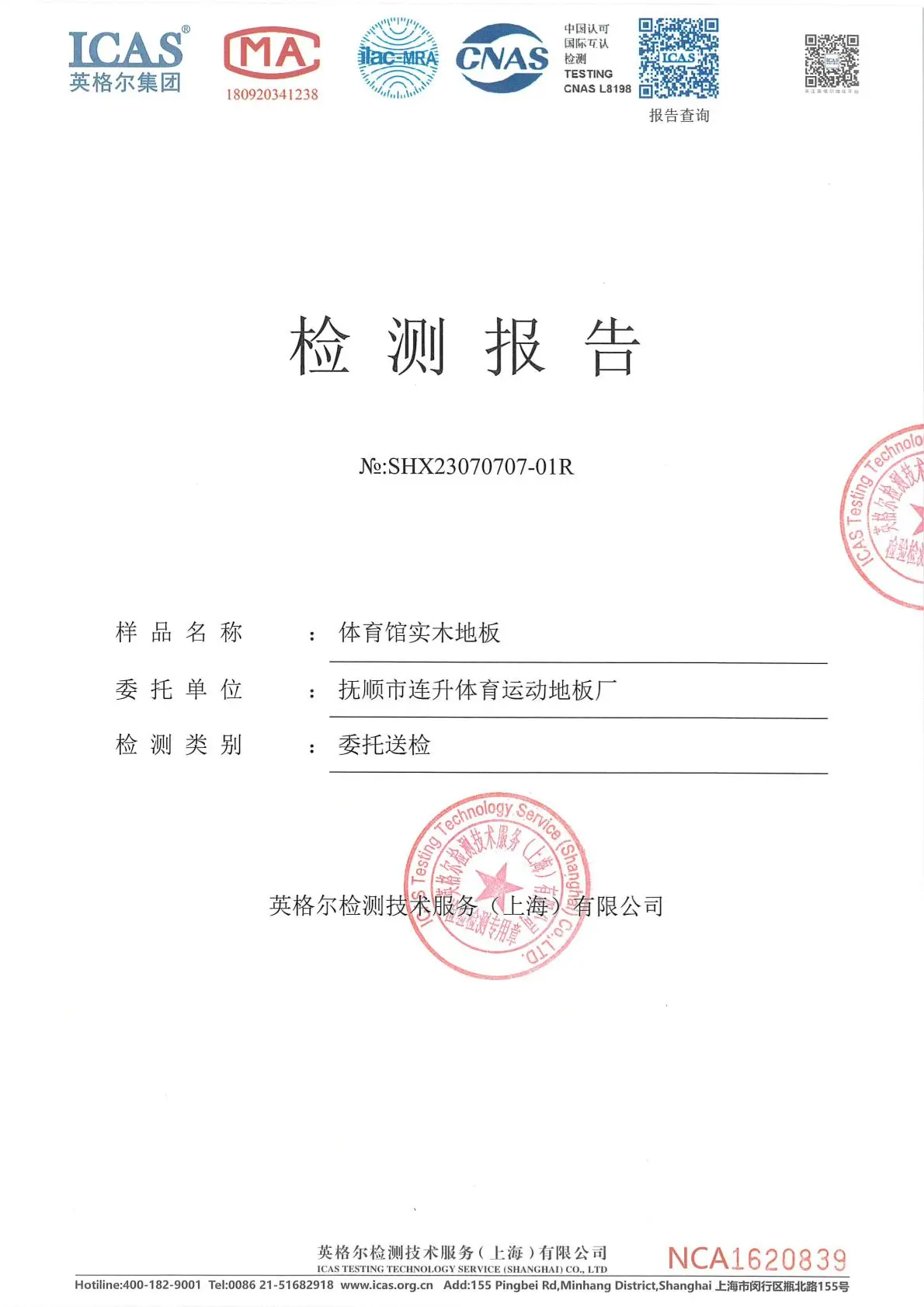
Fushun Plum Flooring Co., Ltd. stands ready to support your sports venue projects with premium Russian birch flooring combining competitive pricing, certified quality, and reliable delivery. Our manufacturing infrastructure features German and Italian imported production lines, a 90-meter automated painting system, and substantial raw material inventory ensuring rapid project initiation. With ISO, IAF, CNAS, B1, and E1 certifications documented through specialized test reports, we deliver the quality assurance and technical support that discerning B2B clients demand.
Contact our team at plumflooring123@163.com or visit plumwoodfloor.com to discuss your specific requirements. As an established Solid Wood Birch sports flooring supplier serving contractors, distributors, and facility operators across North America and Europe, we provide the OEM/ODM capabilities and project coordination expertise that transform procurement challenges into competitive advantages.





References
1. Anderson, K., & Martinez, R. (2021). "Comparative Analysis of Hardwood Species in Athletic Facility Applications." Journal of Sports Engineering and Technology, 235(4), 412-428.
2. Chen, L., Thompson, M., & Rodriguez, P. (2020). "Biomechanical Assessment of Wood Sports Flooring Systems: Impact Force Reduction and Energy Return Characteristics." International Journal of Sports Science, 18(2), 156-173.
3. European Committee for Standardization. (2019). "EN 14904: Surfaces for Sports Areas - Indoor Surfaces for Multi-Sports Use - Specification." Brussels: CEN Publications.
4. National Wood Flooring Association. (2022). "Technical Publication A200: Design, Installation, and Maintenance of Solid Wood Sports Flooring Systems." St. Louis: NWFA Educational Foundation.
5. Peterson, J., & Williams, S. (2020). "Lifecycle Cost Analysis of Wood Species Selection in High-Traffic Institutional Facilities." Building Economics Quarterly, 42(3), 78-94.
6. United States Department of Agriculture Forest Products Laboratory. (2021). "Wood Handbook: Wood as an Engineering Material - Physical and Mechanical Properties of North American and Eurasian Hardwoods." Madison: USDA Forest Service General Technical Report FPL-GTR-282.
Get Price, Catalog, and Professional Flooring Solutions