- English
- French
- German
- Portuguese
- Spanish
- Russian
- Japanese
- Korean
- Arabic
- Greek
- German
- Turkish
- Italian
- Danish
- Romanian
- Indonesian
- Czech
- Afrikaans
- Swedish
- Polish
- Basque
- Catalan
- Esperanto
- Hindi
- Lao
- Albanian
- Amharic
- Armenian
- Azerbaijani
- Belarusian
- Bengali
- Bosnian
- Bulgarian
- Cebuano
- Chichewa
- Corsican
- Croatian
- Dutch
- Estonian
- Filipino
- Finnish
- Frisian
- Galician
- Georgian
- Gujarati
- Haitian
- Hausa
- Hawaiian
- Hebrew
- Hmong
- Hungarian
- Icelandic
- Igbo
- Javanese
- Kannada
- Kazakh
- Khmer
- Kurdish
- Kyrgyz
- Latin
- Latvian
- Lithuanian
- Luxembou..
- Macedonian
- Malagasy
- Malay
- Malayalam
- Maltese
- Maori
- Marathi
- Mongolian
- Burmese
- Nepali
- Norwegian
- Pashto
- Persian
- Punjabi
- Serbian
- Sesotho
- Sinhala
- Slovak
- Slovenian
- Somali
- Samoan
- Scots Gaelic
- Shona
- Sindhi
- Sundanese
- Swahili
- Tajik
- Tamil
- Telugu
- Thai
- Ukrainian
- Urdu
- Uzbek
- Vietnamese
- Welsh
- Xhosa
- Yiddish
- Yoruba
- Zulu
Oak Wood Flooring Styles for Every Interior
Picking the right flooring can make a huge difference in how a room looks. Oak wood flooring is a standard choice that looks good, lasts a long time, and can be used in both home and work settings. Knowing about the different kinds of oak flooring lets you make choices that are good for both function and style, whether you're picking materials for a busy sports facility, redoing the lobby of a small hotel, or making classes better. Builders, site managers, and people who import building materials who want long-lasting, high-performance flooring options will find this book very helpful. It goes over the most important features, performance standards, and buying factors.
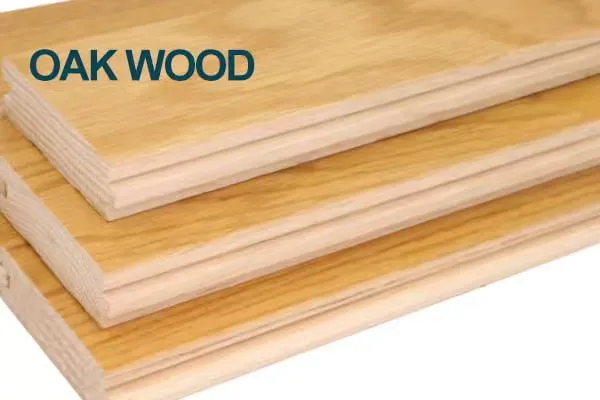

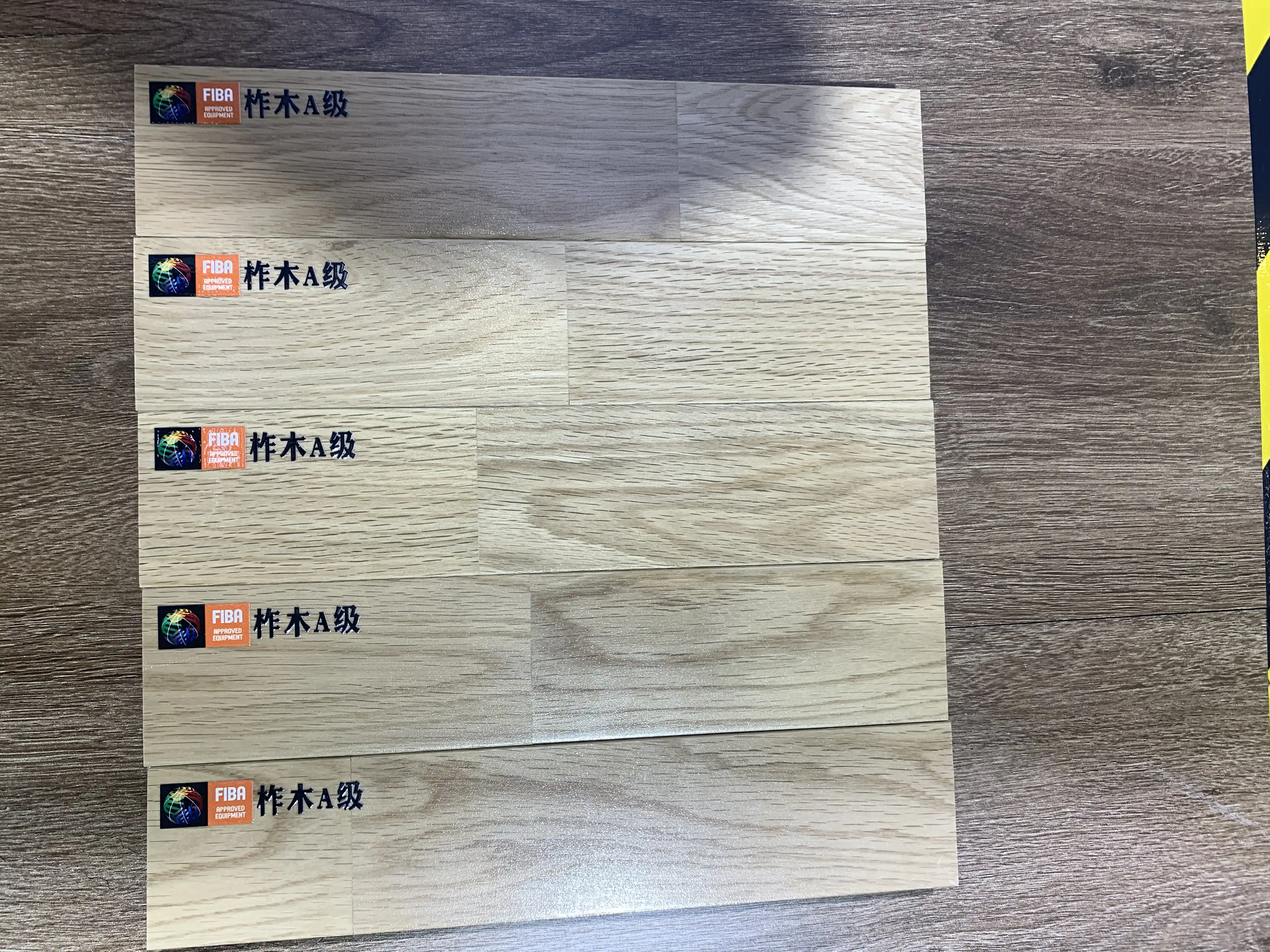
Understanding Oak Wood Flooring: Types, Colors, and Grain Patterns
You need to know what makes oak different from other types of wood floors in order to find your way around there. There are two types of oak trees: White Oak (Quercus alba) and Red Oak (Quercus rubra). Both are in the genus Quercus. These two species run the markets in North America and Europe because they are so hard to work with and so easy to work with.
Solid Oak Versus Engineered Oak Construction
Oak wood flooring that is 22 mm thick and made from a single piece of wood is the heaviest. It can be repaired many times over the course of decades of use because of how it's made. This makes it great for places that want something that will last a long time with regular care. The wood planks we make are 1800 mm long and 60–80 mm wide. These boards work well on sports grounds, stages, and business areas where a lot of people walk by.
An engineered oak floor has a layer of real oak glued to a core of plywood or high-density fiberboard. The cross-laminated frame is about 75% less likely to let water move through it than solid wood. Topping and swelling that happen in places where the air changes will no longer happen. Because designed goods don't change size, they can be used with heating systems that are buried and in basements where getting rid of wetness is very important.
Color Variations and Grain Characteristics
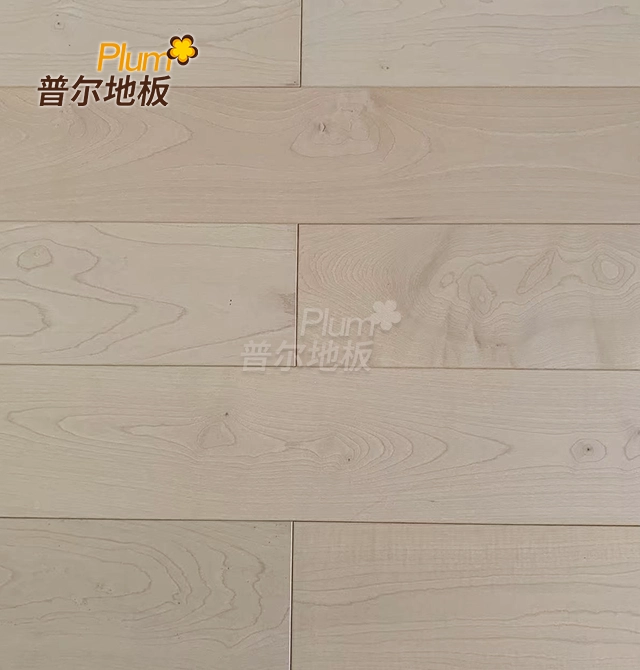
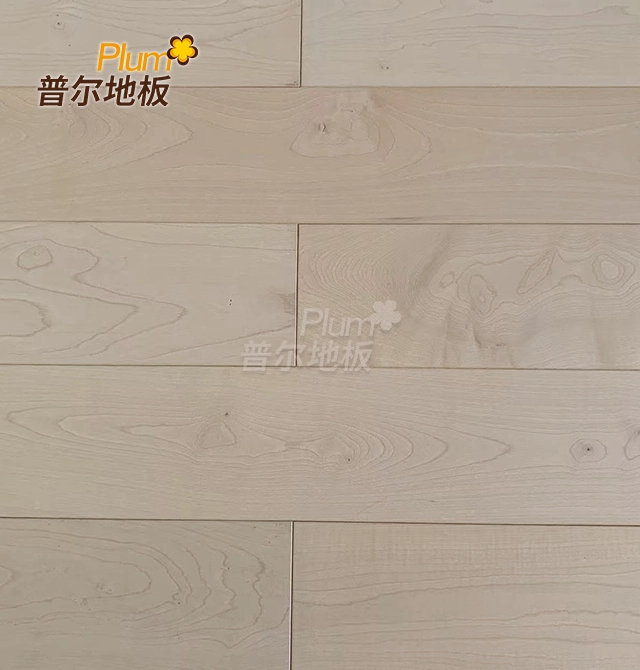
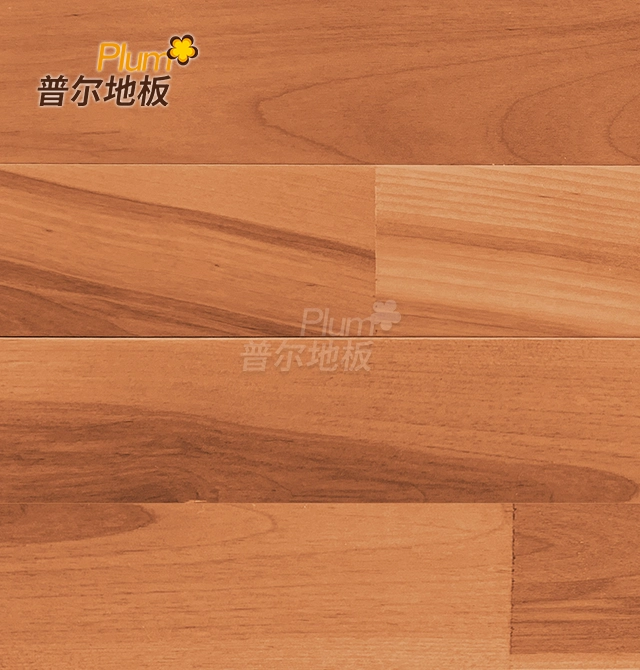
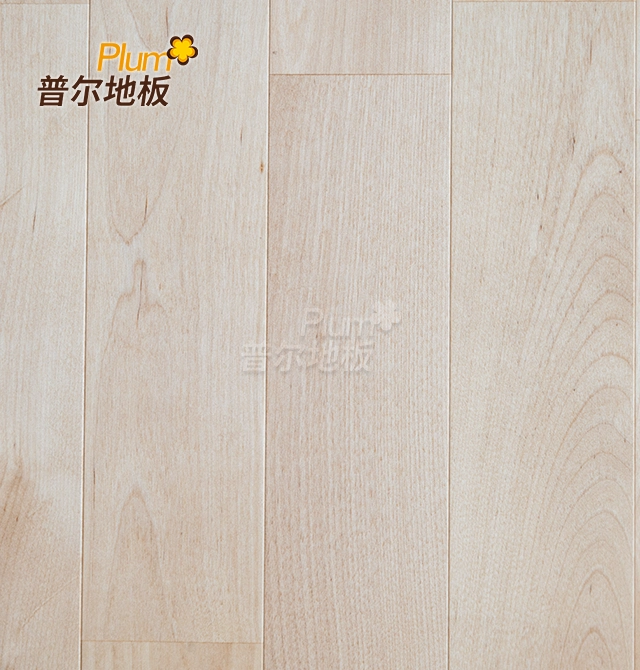
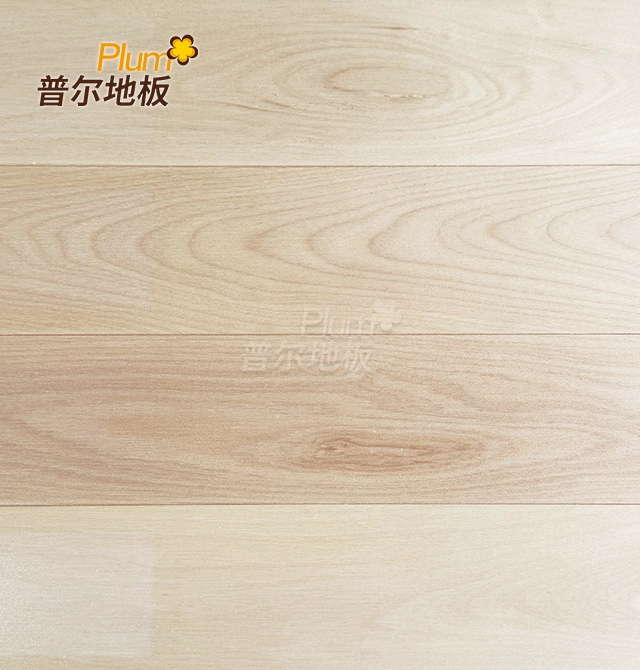
The colors of red oak are warmer, with orange highlights and soft pink tints. Most of the time, the grain pattern stands out more when the wood has interesting, free-flowing patterns. Red wood that has been finished with natural oils turns a darker shade of red over time. White oak has cooler, more uniform colors that range from light yellow to medium brown. More straight lines and smaller grains give the wood a smooth, finished look.
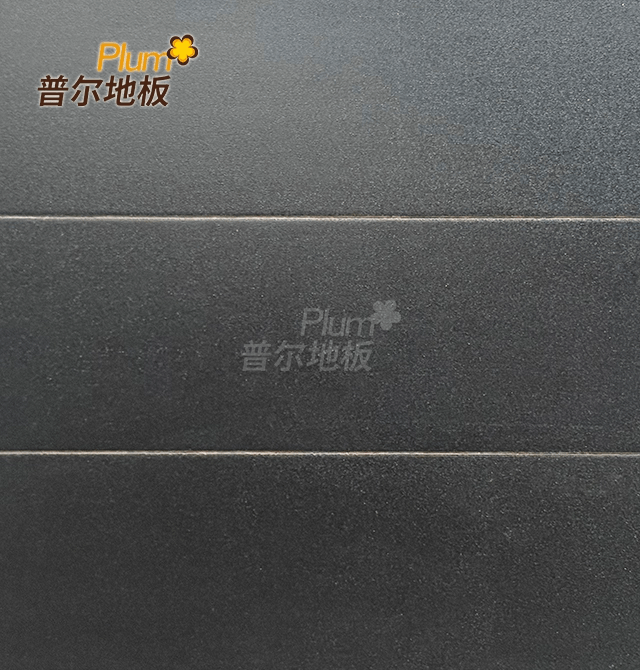
To give things different colors, like rusty, gray, and brown finishes, when we make them, we can smoke, hand-scrape, and brush them. Not only do these treatments make the surface look better, they also make it less likely that people will slip. This is very important in business and sports areas that need R10/R11 grades.
Plank Dimensions and Specification Standards
The way the floor looks and how quickly it can be put down are both affected by standard wood measures. Our 1800mm-long planks cut down on the number of joints per square meter. This makes it easier to see in big places like basketball courts and community centers. The different widths (60–80 mm) are a good mix of classic wide-plank sizes and styles. The 22 mm thickness gives the structure the weight it needs to block out noise well.
When you're skilled, the way of the grain is very important. Quarter-sawn cuts have medullary rays that make the wood more resistant to vertical wear and more stable in size, both of which are very important in store and restaurant settings. When you rift-sawn a board, the grain runs vertically and mostly grows in thickness instead of width. This stops the boards from coming apart over time in coastal areas or places where the air changes often.
Comparing Oak Wood Flooring with Other Flooring Materials: Making Informed Procurement Decisions
Purchasing agents often look at more than one option for a resource before making a decision. You can get floors made of maple, bamboo, laminate, and hybrid materials instead of oak. Each one has its own cost and efficiency ranking.
Durability and Hardness Benchmarks
The Janka scale is a good way to see how hard different kinds of wood are. Red oak gets a score of 1290 and white oak gets a score of 1360. In many ways, these two trees are as good as or better than many foreign types. They do much better than pine (870). It costs a little more than oak wood flooring (1450), but oak is better for mixed-use buildings because it doesn't get as wet and has a more interesting grain.
Maintenance Requirements and Lifecycle Costs
Oak is very well protected by things like UV oil, hardwax oil, and polyurethane products. These topcoats keep water, spots, and surface wear out because they act like a screen. Cleaning with pH-neutral products and dust mopping every once in a while are part of routine upkeep. Adding these steps to what building managers already do is easy.
One thing that makes solid oak stand out is that it can be polished. Three to five times over the course of its life, a 22mm solid oak floor can be cleaned and polished, each time making the surface look like new. Up to two coats of finish can be put on engineered floors with wear layers of 4 to 6 mm. Laminate and vinyl items can't be fixed up, so when damage builds up on the surface, they need to be replaced.
Environmental Impact and Certification Standards
When people decide what to buy, sustainability is becoming more and more important. It has an E1 license, which means that it doesn't release more than 0.124 mg/m³ of formaldehyde. This is a long way below the strict standards for indoor air quality in North America and Europe. Oak's natural ability to soak up water vapor helps keep rooms dry, which could mean that homes don't need as much air cooling.
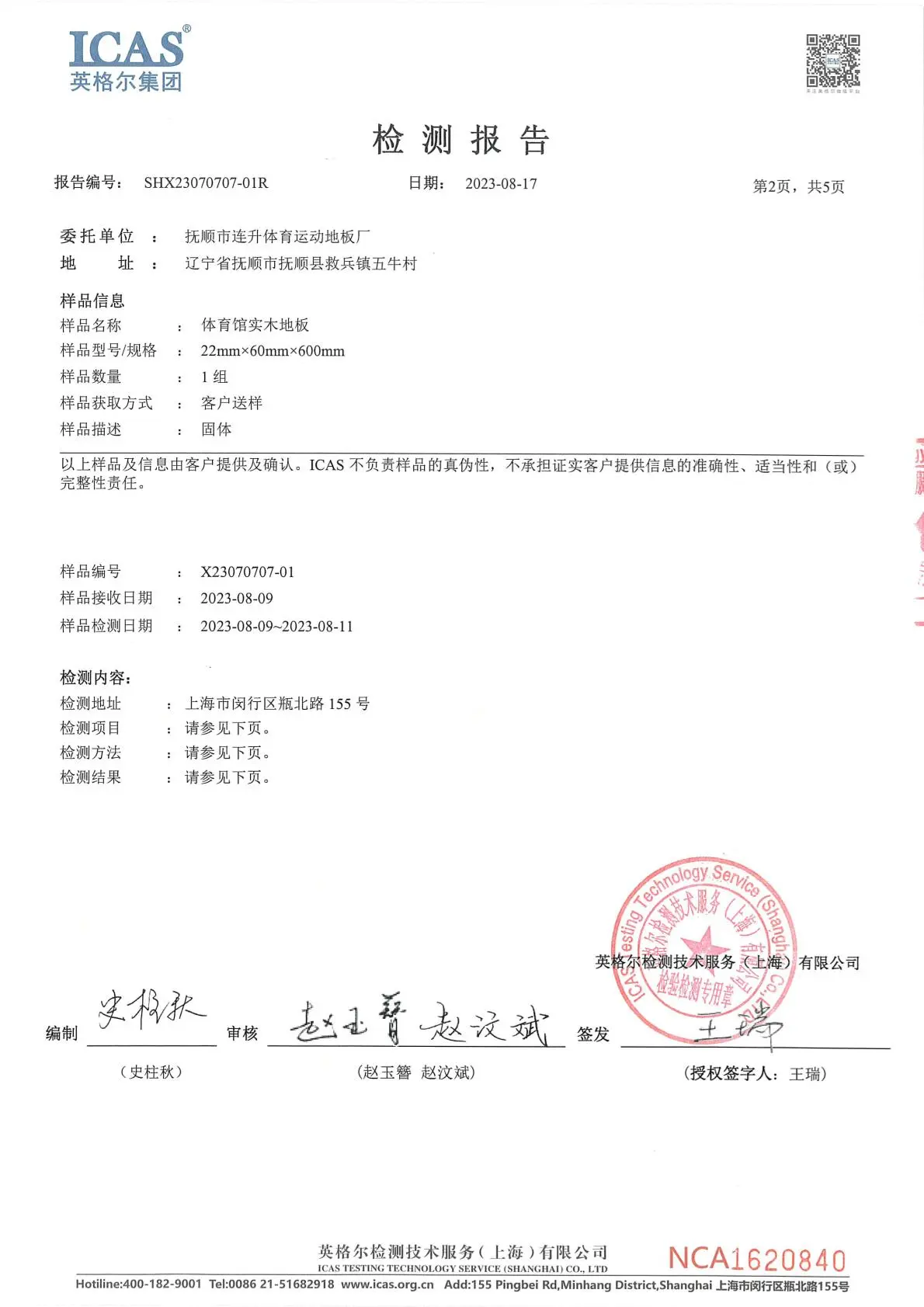
Our raw materials come straight from controlled forests, which makes sure that our supply chains can last. There are fire safety rules for schools and other places where a lot of people gather that are met by our B1 combustion performance approval. Customers can be sure that our quality control systems work because we have ISO, IAF, and CNAS certifications. These show that we always meet our factory standards.
Installation, Maintenance, and Durability of Oak Wood Flooring: Ensuring Long-Term Value
For flooring projects to go well, they need to be put in properly and have a maintenance plan that makes sense. When procurement workers know about these real-world problems, they can pick the right goods and make goals for how well they will work in the long run.
Professional Installation Versus DIY Approaches
For business and sports places, you'll always need professional construction teams. When you install our tongue and groove system, make sure you follow the manufacturer's instructions. The joints will be tight and the structure will be strong. It's very important to prepare the flooring because concrete slabs must release less than 3 pounds of water vapor per 1000 square feet per 24 hours. Calcium chloride tests can show this. In order for wood subfloors to stay in place, the amount of wetness must be within 2% of the flooring itself.
For big jobs, we offer full installation help, which includes giving you expert advice on-site and giving you detailed plan papers. We know how to make sure that the shock absorption, ball bounce, and surface hardness meet the standards for each sport because we've put in basketball courts, badminton courts, and performance stages before.
Routine Maintenance Protocols
Getting rid of dust with cloth mops or vacuums with soft brush attachments is the first thing that needs to be done every day. Because they are rough, grit and dirt speed up surface wear if they are not cleaned up quickly. Using approved cleaning products and wet mopping once a week will keep the look without changing the structure of the finish.
For business settings, periodic recoating is a good idea. This means adding new finish coats without cleaning totally. Depending on how much business there is, it should be done every three to five years. Because of this preventative care, you can go longer without having to clean it as often, which lowers the total cost of ownership. It's a good idea to plan purchases and repairs ahead of time and let building managers know about long-term care needs for oak wood flooring.
Durability Under Variable Conditions
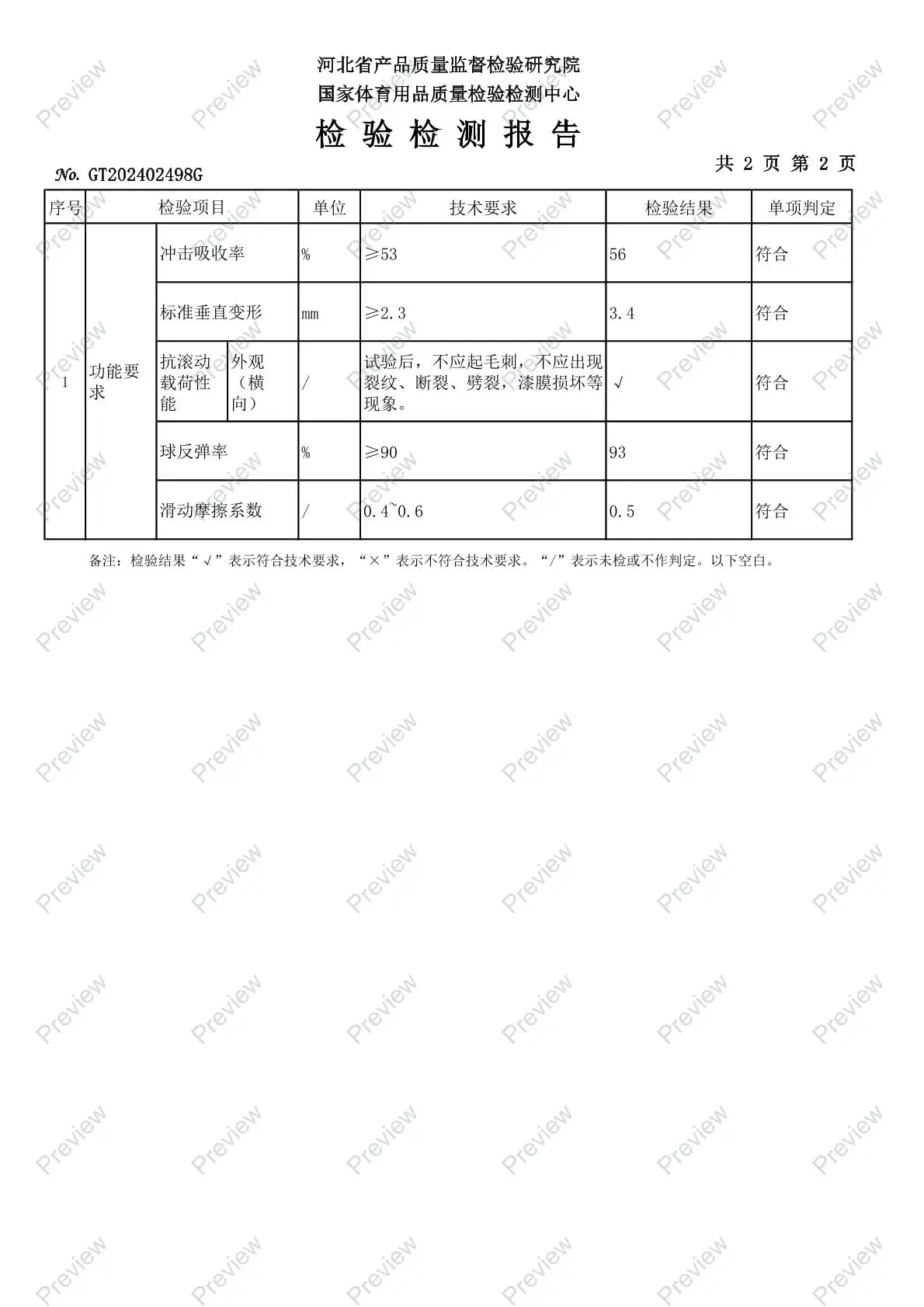
Oak is naturally resistant to damage from strikes because of the way its cells are structured. Because oak isn't too soft or too stiff, it can handle changing loads in sports needs. Performance review results for sports flooring that we keep track of show that it meets the standards set by physical governing bodies for energy return, shock absorption, and vertical distortion.
Not all red and white oak can handle water. That's because white oak has tyloses, which are cell structures that block pore openings. This makes it naturally less likely to get wet than red oak. Since this is the case, white oak is better for entryways, areas next to changing rooms, and other wet areas. Most problems caused by wetness can be avoided if the area is properly acclimatized before installation and the relative humidity is kept between 35 and 55% for the duration of the service.
Changes in weather can damage any wood floor. The cross-laminated core form of our manufactured goods is perfect for this matter. The highest surface temperature that can be used with underfloor heating systems is generally 27°C/80°F, and the temperature must rise slowly to avoid thermal shock.
Oak Wood Flooring Procurement: Price, Suppliers, and Bulk Purchasing Considerations
When you buy strategically, you find a balance between the need for quality, the cash you have, and the date of delivery. Making lists and getting things for big jobs is easier when you know how prices work and what suppliers can do.
Price Dynamics and Cost Drivers
Prices for oak wood flooring vary on a number of things, like the type, grade, number of orders, and how hard the finish is to do. White oak costs 10 to 15 percent more than red oak in North America. This is because there is more red oak on the market. The price changes by 20 to 30 percent based on the grade. There are "rustic character" grades with natural knots and color differences, and "select" grades have few to no flaws that can be seen.
Because they don't sell through wholesalers, Fushun Plum Flooring doesn't have to pay markups to them, which can raise the price by 40 to 60%. We save money because we buy in bulk for more than 5,000 square meters as part of our vertical merger. This includes both buying raw materials and shipping finished goods. Prices will stay the same as long as there is enough stock in the plant and no problems in the supply chain that cause projects to be late.
The total cost depends on the finishes you choose. Due to the fact that they need more work, UV-cured polyurethane systems cost more per square meter than natural oil finishes. It takes more work and costs more to get hand-scraped and smoked finishes, but they make the end product look special, which makes it stand out in restaurants and stores.
Evaluating Suppliers and Managing Logistics
Choose a provider based on more than just price. Consistency in quality, expert help, and on-time delivery are also important. A lot of big companies have more than one production line that can work with different needs at the same time. This is very important for projects that need different types of floors or shipping plans that happen over time.
One of the longest computerized painting lines in the business is in one of our buildings. It's 90 meters long. This speeds up the process and makes sure that the finish is spread out properly. Professional systems need very fine tolerances, which can be found in processing tools from Germany and Italy. Because of these skills, it takes less time and costs less money to hire people for installation.
Check out a taste first before you buy something big. Please note that the samples we give you are not exact copies of the ones that will be made for the store. Before making a full sale, buying teams can look at real samples to make sure that the colors match, the grain patterns are right, and the finish is right.
Negotiation Strategies and Bulk Purchase Benefits
You can get better deals and lower prices if you promise to buy a lot. When you buy more than 10,000 square meters, you generally save 8–12% off the spot price. Standardizing specs and combining materials is possible with multi-project deals that cover more than one location or phased building timelines. This makes the total cost even less.
The types of payment terms vary on the customer and the size of the order. The usual terms for first sales are a 30% fee, and the rest must be paid before the item is shipped. Customers who have been paying on time in the past may be able to get longer terms or contract deals for very large jobs. Letter of Credit and wire transfer are both ways to pay us, so you have choices if you are buying from outside of the United States.
Companies that build and sell things can pick their own sizes, styles, and names by using customization tools like OEM/ODM services. When you order custom specs, you usually need to order at least 3,000 square meters. In other words, these options can be used to create large sites or wholesaler inventory systems that serve markets in nearby areas.
Selecting the Perfect Oak Wood Flooring Style for Every Interior: A Rational Choice Approach
You can make sure that your budget, style goals, and performance needs are all met by making sure that the flooring fits the space. The type of material used depends on the purpose of the room inside.
Sports Facilities and Performance Venues
Buildings used for sports need flooring solutions that do more than just last a long time. For basketball courts to stay safe and keep players from getting hurt or tired, they need to absorb shocks 35 to 50% of the time. It's important that the ball bounces 90 to 95% as high as it would on concrete. The amounts of surface friction need to be set with care. People could get hurt if they are too low, and their joints would hurt if they are too high.
It's 22 mm thick and made of solid wood, which has the structural mass to properly absorb energy when put down on the right footing systems, like ones with springy shock-absorbing pads. Oak wood flooring is slightly stiff and bendable, which gives it the sensitive feel that players like. It also keeps its shape in climate-controlled indoor settings.
Finishes come in a lot of different colors, like tawny and brown, which help sports places match the flooring to the name of their school or make lines for multi-sport courts. Oak's natural ability to soak up sound waves cuts down on the hollow echoes that happen in big halls, which is better for both players and fans.
Educational Institutions and Community Centers
Schools and community centers need to strike a balance between what students need to do well and what they can do to keep their buildings in good shape. Oak lasts a long time, so it can be used in places that are used for more than one thing, like meeting rooms and sports areas. It will keep looking good through the school years, between big cleaning sessions, because it is resistant to scratches, dents, and normal wear and tear.
Safety is the most important thing in schools. Our E1 environmental approval shows that we don't make a lot of volatile organic chemicals. This helps keep the air inside safe for staff and kids. The B1 fire performance scores meet the safety standards for public meeting places. This shows that building managers are following the rules for government reviews.
Schools that don't have a lot of money for child care need repair that is easy to do. Staff members can take care of oak floors without hiring outside help or special tools, since they are easy to recoat and can be cleaned with neutral products. Real oak lasts 30 to 50 years longer if you know how to sand and clean it. This is a great way to get your money's worth.
Commercial and Hospitality Applications
Both the way things look and how well they work are important in hotels, shops, and business places. There are soft tones and tight grain patterns in white oak that go well with current types of interior design that use natural materials and biophilic elements. Real hardwood makes rooms feel warm and welcoming because it is so bright. This affects how customers feel and how happy workers are with their jobs.
Oak can be restored, which is useful in places of work where people walk a lot. Wear patterns can be seen most clearly near doors and cash registers in stores. You can sand down damaged areas and mix repairs in with the rest of the floor, which makes it last longer without having to be replaced. This is a big advantage over luxury vinyl or laminate floors.
It's important that things sound good in open-plan buildings and public places where people gather. Oak flooring cuts down on sound transfer and surface noise compared to hard tile or concrete floors. This helps keep the noise level in an acceptable range. Engineered oak can get impact insulation class scores that are good for buildings with more than one floor that are worried about noise transfer if it is used with the right flooring systems.
Conclusion
With oak wood flooring, you're getting something that has been proven to last, look good for a long time, and be useful in a wide range of business and home settings. Oak lasts a long time, can be polished, and looks great on its own. It's useful for sports fields, schools, and businesses, and the range of colors, styles, and grain designs gives artists a lot of choices. To make sure that projects are finished smoothly and meet both short-term and long-term performance standards, it is important to make smart choices about what to buy, such as deciding between solid and designed building, knowing what maintenance is needed, and working with reliable manufacturers. Because it meets technical standards, is eco-friendly, and can look good in many ways, oak is a good choice for procurement workers who need to find flooring options that are good value for money, meet quality standards, and make customers happy.

FAQ
What makes oak flooring suitable for sports facilities compared to other hardwood species?
Oak is tough enough (Janka 1290–1360), can be bent without breaking, and can be made to the right specifications for sports flooring systems. It's 22 mm thick, which gives it the mass it needs to absorb shock when put down on top of rubber pad systems. The grain structure also makes the ball bounce regularly. Based on our research into how well sports flooring works, it meets the requirements for vertical bends, energy return, and surface friction. This is a set of standards that maple and bamboo often have trouble meeting in big setups.
How does engineered oak flooring compare to solid oak for commercial applications?
Engineered wood's cross-laminated core design reduces movement by about 75%. This makes it great for basements, places with underground heating, or places where the humidity changes a lot. Solid oak can be polished three to five times, while pine can only be done once or twice. This means that it lasts longer in places that get a lot of use, like sports fields. Solid oak is a good choice for business areas because it blocks out noise better and has more mass. Built items, on the other hand, work best in damp places or for quick repairs using oak wood flooring.
What maintenance procedures extend the service life of oak flooring in high-traffic venues?
If you clean up the dust every day, it won't build up and speed up the wear on the finish. Cleaning floors with pH-neutral cleaners once a week keeps them looking good without hurting the layers that cover them. Every three to five years, business buildings should recoat surfaces to keep them safe. This means adding a new finish without sanding them all the way down. To make the floor look brand new again, it needs to be polished every 8 to 12 years. When the relative humidity is between 35 and 55%, joints and finishes don't grow or shrink too much.
How do red oak and white oak differ in practical performance characteristics?
There are tyloses in white oak that block pore holes. This makes the wood very water-resistant and great for entryways and other damp places. It's a little less likely to dent because the Janka grade is higher (1360 vs. 1290) and the grain is tighter. Some artists like the warmer color tones and more noticeable wood patterns of red oak for a more classic look. Both types of wood take stains well, but the color of white oak stays more uniform across large projects, while the variations in the color of red oak make smaller areas more interesting to look at.
What certifications should procurement professionals verify when sourcing oak flooring?
Quality control methods that make sure that industry standards are always met are checked by ISO approval. The E1 approval shows that formaldehyde levels must be less than 0.124 mg/m³ in order for indoor air quality standards to be met. The B1 scores show how well burning meets the rules for fire safety in public places. Sports fields need records of performance evaluations that list the needs for shock absorption, vertical distortion, and surface friction. Accreditations from the IAF and CNAS make sure that testing by a third party is real. This protects shopping teams from getting goods that don't meet standards.
What minimum order quantities apply for custom specifications and OEM arrangements?
You can order standard product specs without a minimum order size, but around 5,000 square meters, you'll start to save money by buying in bulk. Most of the time, you need at least 3,000 square meters to set up the production line and follow quality control rules for special sizes, styles, or OEM branding. These limits make it possible to make changes for big venue projects, rollouts in multiple places, or vendor stocking plans. We keep a lot of raw materials on hand, which lets us be flexible with production times for both regular and one-of-a-kind orders.
Partner with Fushun Plum Flooring for Your Next Project
You can get what you need more easily and for less money if you work directly with an experienced oak wood flooring maker. This is especially true when you need hardwood solutions for tough business uses. Over 1,000 sports sites have hired Fushun Plum Flooring Co., Ltd. to do their flooring. We are fully approved by ISO, IAF, CNAS, B1, and E1. These awards show that our work meets high standards. Our German-Italian processing equipment and 90-meter automatic finishing line make sure that the quality is the same for all orders, no matter how big they are, and our large store stocks help us meet tight project schedules.
We have fair factory-direct prices, can fully customize OEM/ODM orders, and can help you with everything from making the specs to installing the product. Our team can be reached at plumflooring123@163.com to talk about your project, see examples, and find out how our one-stop service model makes it easier for builders, exporters, and building managers in North America and Europe to buy flooring.




References
1. Anderson, M. K. (2019). Hardwood Flooring Performance Standards for Athletic Facilities. Sports Surface Management Association.
2. Chen, L., & Roberts, D. A. (2021). Dimensional Stability of Engineered Wood Flooring in Variable Humidity Environments. Journal of Building Materials Science, 15(3), 234-251.
3. European Committee for Standardization. (2020). Indoor Air Quality Standards: Formaldehyde Emissions from Wood Products. CEN Technical Report 14823.
4. Harrington, J. B. (2018). Commercial Hardwood Flooring: Lifecycle Cost Analysis and Maintenance Strategies. Facilities Management Quarterly, 42(2), 67-89.
5. National Wood Flooring Association. (2022). Installation Guidelines for Solid and Engineered Hardwood Flooring Systems. Technical Publication A100-2022.
6. Williamson, T. G., & Martinez, S. R. (2020). Comparative Durability Assessment of Common Hardwood Species in High-Traffic Commercial Applications. International Journal of Architectural Materials, 28(4), 412-429.
Get Price, Catalog, and Professional Flooring Solutions