- English
- French
- German
- Portuguese
- Spanish
- Russian
- Japanese
- Korean
- Arabic
- Greek
- German
- Turkish
- Italian
- Danish
- Romanian
- Indonesian
- Czech
- Afrikaans
- Swedish
- Polish
- Basque
- Catalan
- Esperanto
- Hindi
- Lao
- Albanian
- Amharic
- Armenian
- Azerbaijani
- Belarusian
- Bengali
- Bosnian
- Bulgarian
- Cebuano
- Chichewa
- Corsican
- Croatian
- Dutch
- Estonian
- Filipino
- Finnish
- Frisian
- Galician
- Georgian
- Gujarati
- Haitian
- Hausa
- Hawaiian
- Hebrew
- Hmong
- Hungarian
- Icelandic
- Igbo
- Javanese
- Kannada
- Kazakh
- Khmer
- Kurdish
- Kyrgyz
- Latin
- Latvian
- Lithuanian
- Luxembou..
- Macedonian
- Malagasy
- Malay
- Malayalam
- Maltese
- Maori
- Marathi
- Mongolian
- Burmese
- Nepali
- Norwegian
- Pashto
- Persian
- Punjabi
- Serbian
- Sesotho
- Sinhala
- Slovak
- Slovenian
- Somali
- Samoan
- Scots Gaelic
- Shona
- Sindhi
- Sundanese
- Swahili
- Tajik
- Tamil
- Telugu
- Thai
- Ukrainian
- Urdu
- Uzbek
- Vietnamese
- Welsh
- Xhosa
- Yiddish
- Yoruba
- Zulu
How to Choose Quality Birch Sports Flooring
To pick good Birch sports flooring, you need to look at a number of things, such as the material's stiffness, its ability to absorb shock, and the manufacturer's licenses. With a Janka hardness of about 1260 lbf, Birch sports flooring is more flexible and durable than many other options. This makes it perfect for places that care about athlete safety and long-term longevity. During the selection process, the uniformity of the grain structure, resistance to moisture, slip-resistance scores, and compliance with foreign standards like EN 14904 and DIN 18032-2 are all looked at. Procurement workers should check the qualifications of the seller, such as ISO, B1, and E1 certificates. They should also look at the manufacturer's ability to make changes, dependability of delivery, and expert help during installation and upkeep.


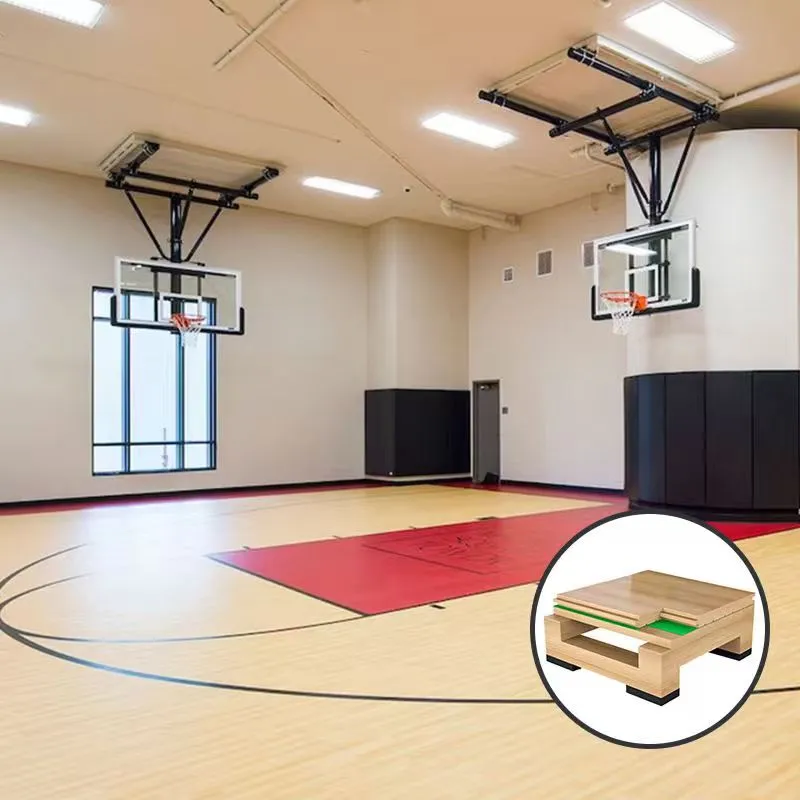
Understanding Birch Sports Flooring: Key Features and Benefits
Athletic wood flooring is a big part of how well athletes do, how many injuries happen, and how much it takes to run sports centers. When it comes to hardwoods, Birch sports flooring has become a popular choice for gyms, training centers, and other multi-use places that want to find a good mix between performance and cost.
Material Properties That Define Performance
Russian birch is the main material used to make high-quality sports flooring systems. It has a unique set of physical properties that directly affect how well athletes do. The material has a very fine, delicate grain structure and is very tough, so it can absorb and spread impact forces better than harder hardwoods. This structure of cells helps the body's natural flexibility, which makes high-impact sports like basketball, volleyball, and exercises easier on the joints. Because the wood is slightly softer than hard maple—measuring about 1260 lbf on the Janka scale compared to 1450 lbf for maple—it can absorb shock better without weakening the structure when heavy tools or rolling loads are applied.
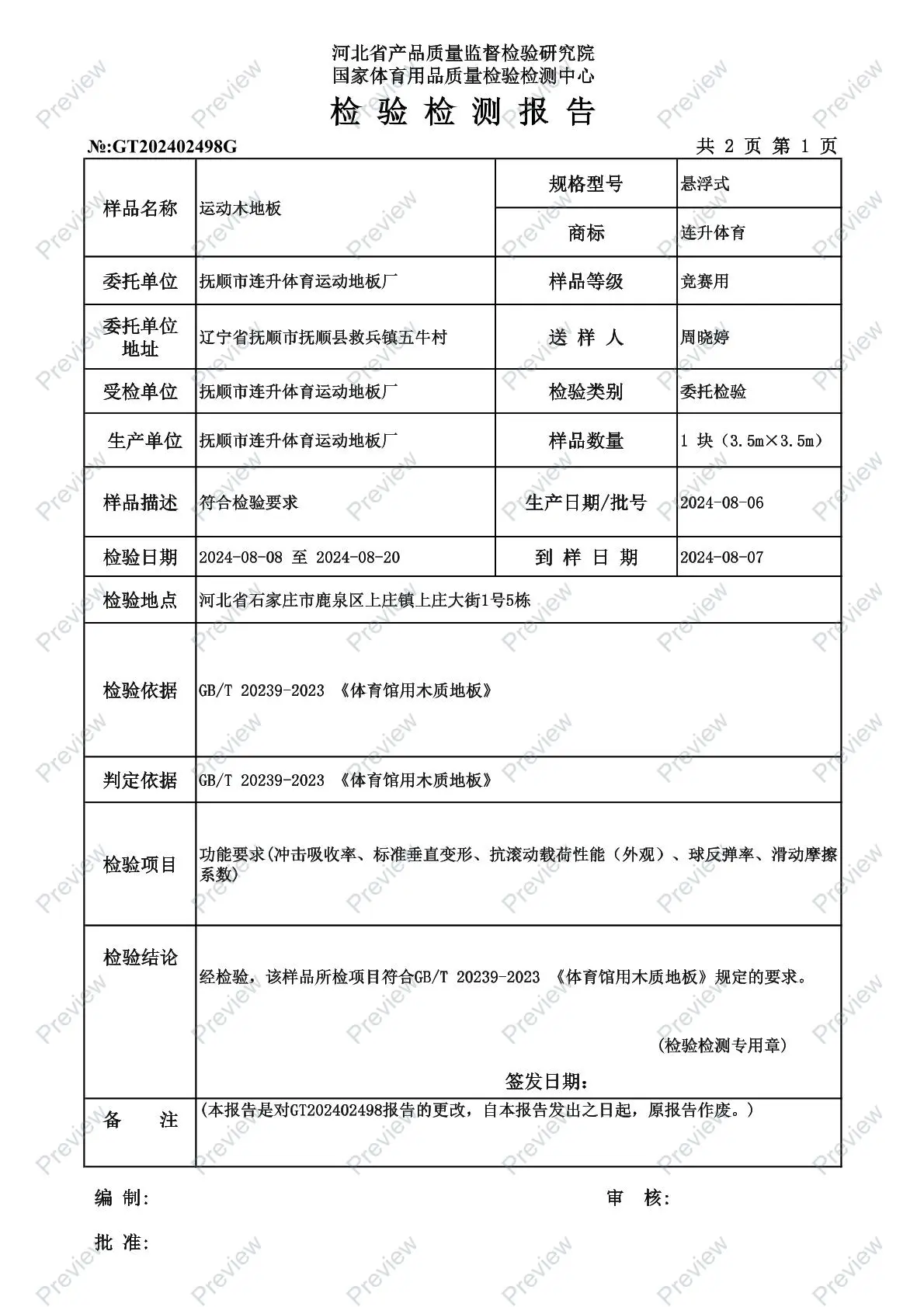
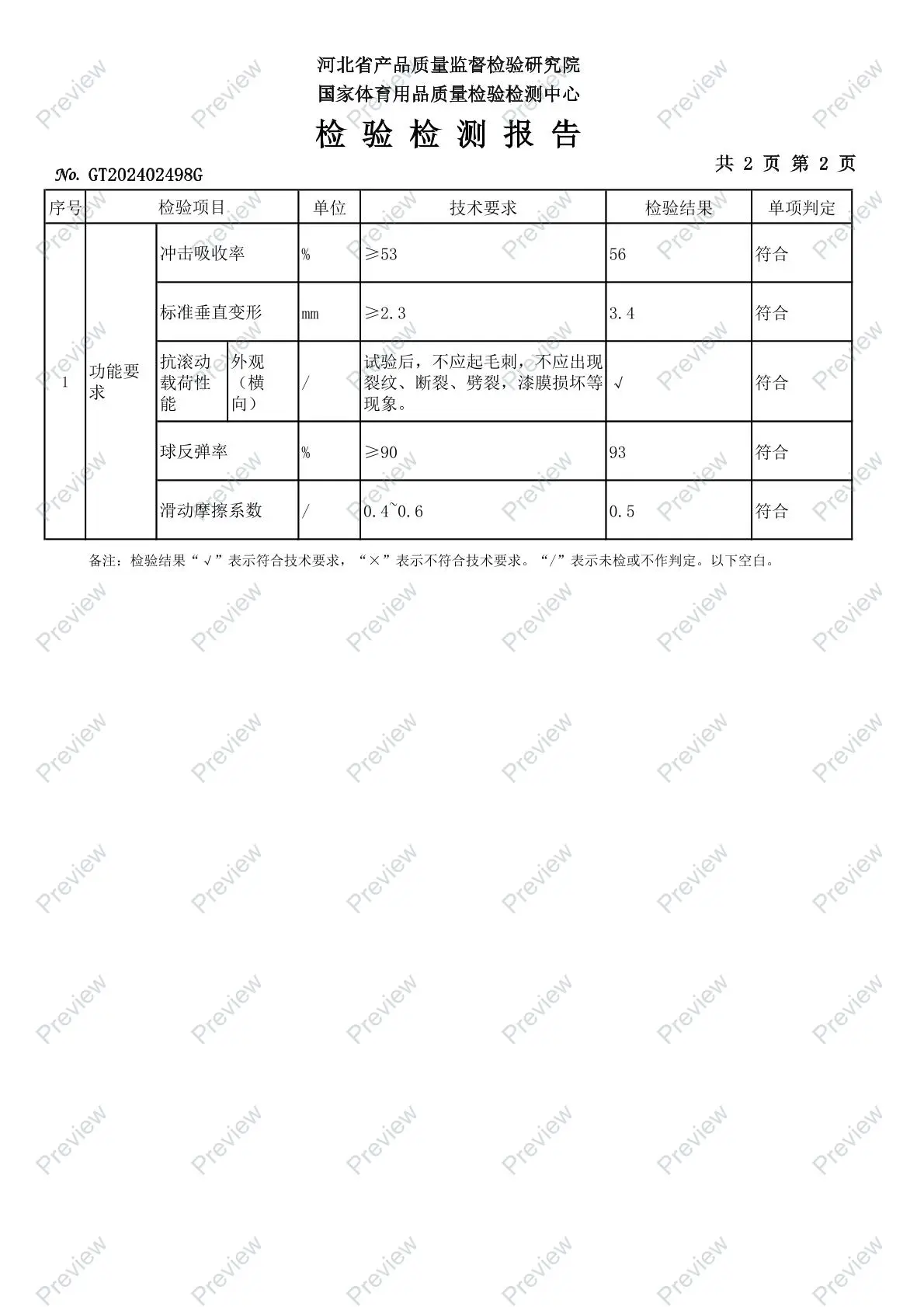
Birch wood is naturally easy to work with, which lets makers get smooth cut surfaces and accurate measurement tolerances. The biomechanics standards for area-elastic flooring systems are met by products that are 1800 mm long, 60–80 mm wide, and 22 mm thick. Birch is great for painting and gluing, so it can be used to make long-lasting UV-cured polyurethane finishes that don't scratch and keep friction coefficients between 0.4 and 0.6. This keeps people from slipping and falling and lets them make spinning movements that are necessary for sports.
Comparing Birch to Alternative Hardwood Options
When buying teams look at different types of hardwood floors, maple and oak are often the main ones they compare. Hard maple is still the standard for professional basketball courts because it is very dense and the ball bounces the same way over 95% of the time. Birch, on the other hand, has a ball rebound rate of above 93%, which is good enough for most competitive and leisure uses, and it also absorbs shocks better in specific areas. Because of this, birch is perfect for places like schools, dance studios, martial arts centers, and training grounds where keeping athletes' joints healthy is more important than getting the ball to go as fast as possible.
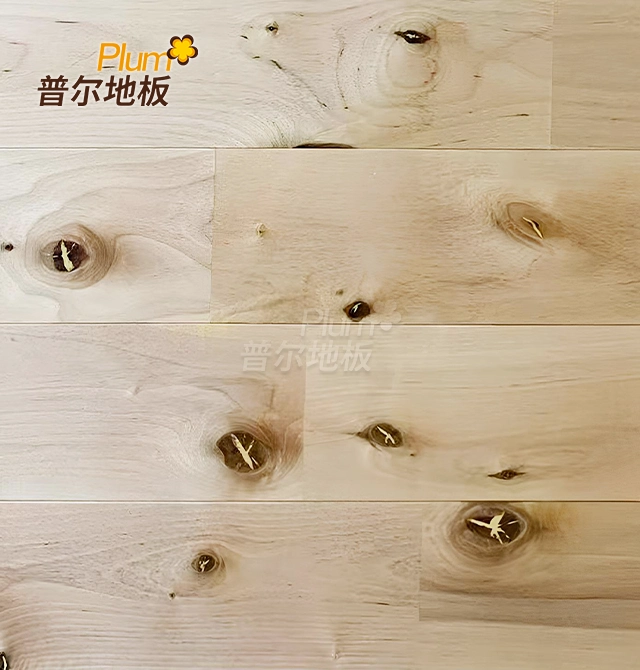
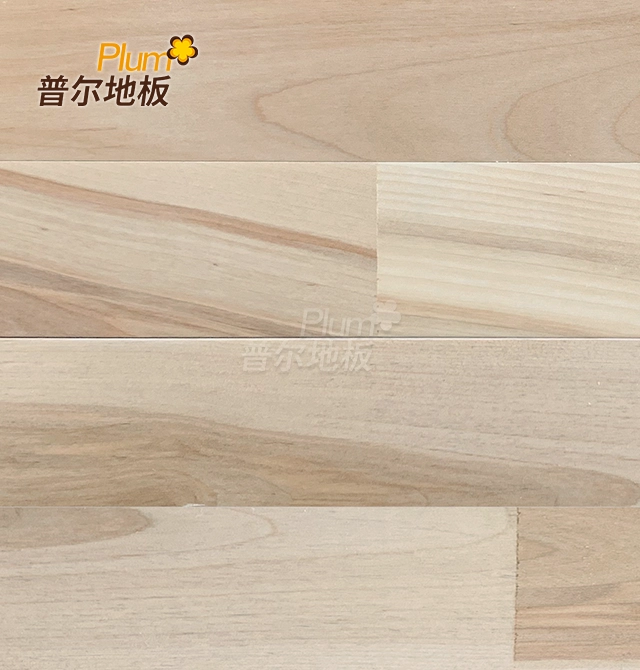
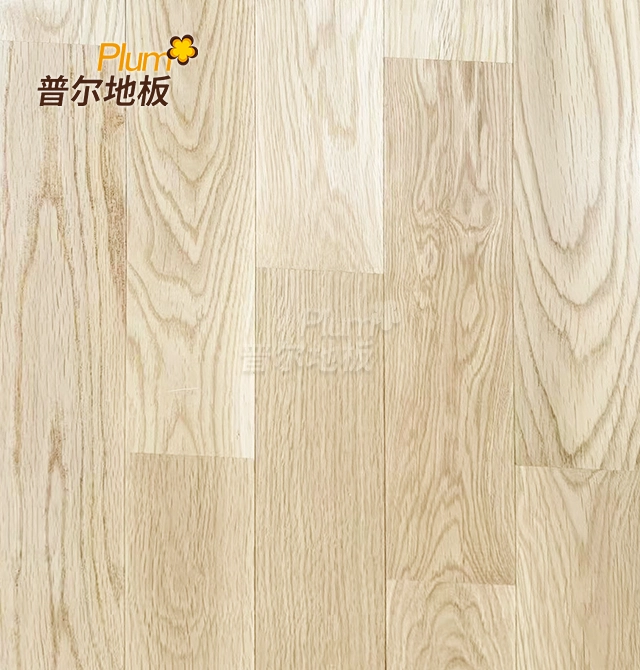
Oak flooring has noticeable grain patterns that make it look unique, but it doesn't have the fine cellular structure needed for regular performance ratings. Birch makes the surface respond more evenly across the whole court, so there are fewer "dead spots" that can make it hard to play. Birch's lighter color range, which includes creamy white to pale yellow in tawny, gray, and brown tones, makes it easier to see game lines and better reflects light, which could cut building lighting costs by 15 to 20 percent compared to darker wood species.
Environmental Credentials and Sustainability Advantages
Sustainability criteria are being used more and more in modern procurement choices, along with success measures. Many hardwood species take longer to grow back than birch woods, especially those in Russia's managed forestry areas. This helps with responsible sourcing. Products that are approved by the Forest Stewardship Council (FSC) make sure that environmental management standards are met. This helps companies meet their sustainability goals and green building projects meet LEED certification requirements.
Birch sports flooring is easier to work with than heavier hardwoods, so less trash is made during production. This is because cutting mistakes are less likely to happen, and more flooring can be made from a single log. Because birch has a good moisture level, less energy is used during the drying and processing steps. Facilities that want to get E1 certification, which means that formaldehyde levels are less than 0.124 mg/m³, will find that good birch flooring naturally meets these high standards for indoor air quality. This protects athletes and facility users from volatile organic compound exposure.
Criteria for Selecting Quality Birch Sports Flooring (Decision Support Approach)
A systematic review approach that is in line with the facility's practical needs and long-term financial planning is needed to buy Birch sports flooring that works.
Matching Floor Specifications to Facility Use Patterns
When used for different games, flooring systems have to handle different mechanical demands. For basketball courts, the surfaces need to be able to consistently bounce the ball, bend little when horizontal forces are applied, and have low enough friction coefficients that shoes can change directions quickly without losing their grip. To allow for jumping and diving, gyms that house volleyball games should have a little more shock reduction. Arenas that are used for more than one thing, like sports games, graduations, and community events, need flooring that can handle the heavy loads that come from moving bleachers and stage equipment, which are often more than 400 pounds per wheel.
Traffic volume predictions should help you decide how thick a material to use. Schools that use their buildings every day during multiple class times need strong layers of clothing that can last for 8 to 12 hours of work, six days a week. Professional training sites with controlled entry may be able to save money by choosing wear layers that are thinner without lowering the standards of performance. Specialized makers offer a 22mm thickness specification, which gives the structure the depth it needs for multiple refinishing processes. With proper care, this can extend the service life to 30–40 years.
Technical Specifications and Performance Standards
The first step in evaluating quality is making sure that it meets internationally accepted standards. Sports floors are put into groups called A1 through A6 by the EN 14904 classification system. These groups are based on tests of shock absorption, vertical distortion, and area elasticity. Birch flooring systems made with flexible sleeper subfloors and elastic shock-absorbing pads usually get a Type A3 or A4 rating, which means they can absorb shocks by 40 to 53 percent and bend 1.8 to 5 millimeters vertically. These factors are directly linked to lower accident rates, especially for knee, hip, and lower back problems caused by stress.
For sports use, slip resistance tests using the DIN 51130 standard should give friction ratings between 80 and 110. When values are below this range, it's dangerous and easy to fall, and when there's too much friction, the anterior cruciate ligament is put under more stress when turning. This ideal contact range is naturally reached by the cellular structure of birch wood and properly made UV-cured polyurethane finishes. Specifications for moisture protection are very important in places that don't have climate control because changes in yearly humidity can make measurements less stable. Quality birch products are kiln-dried to lower the moisture content to 6 to 9 percent. Manufacturing limits make sure that the products can be used in environments with 35 to 65 percent relative humidity.
Evaluating Long-Term Value Through Total Cost Analysis
The purchase price is only one factor that goes into choices about investing in flooring. To get a full picture of the total cost of ownership, you need to include things like installation costs, upkeep needs, refinishing times, and the expected service life. Because birch flooring is easier to paint, building managers can repaint it every 8–10 years, which is more cost-effective than every 5–7 years for softer woods that wear down quickly.
Birch wood is naturally good at holding nails in place, which makes plank-to-subfloor links stable. This means that squeaking or movement problems happen less often, which means less expensive fixes. Manufacturers who offer warranties that cover structure stability for 15 to 25 years and finish performance for 5 to 10 years show that they are sure the product will last. Contracts for buying things should spell out the specifics of the guarantee, such as who is responsible for problems that happen because of material flaws versus mistakes in installation or poor upkeep.
Environmental certificates like FSC, ISO 14001, and E1 emissions compliance help facilities meet their sustainable goals while also guaranteeing the quality of their products. Buildings that want to get LEED certification can earn points by using materials that are responsibly made. This could help pay for the flooring by raising the property value and attracting tenants in commercial developments.
Procurement Process: From Sourcing to Installation
For big flooring projects to go smoothly, the steps of choosing a supplier, negotiating a contract, managing transportation, and overseeing the installation must all be planned and coordinated in a smart way. Identifying qualified Birch sports flooring distributors and manufacturers is the first critical phase.
Identifying Qualified Manufacturers and Distributors
Doing your research before deciding on a source saves procurement assets from poor quality and delivery problems. Vertically integrated manufacturers have more stable supply chains than sellers who buy goods from a lot of different companies. This means that manufacturers control where the raw materials come from, how they are milled, finished, and shipped. Direct access to birch forests in Russia's managed forestry areas and own factories with German and Italian production lines show that the company has the technical know-how and capacity to meet tight deadlines for large orders.
The verification of certificates is a necessary step that cannot be skipped. Getting ISO 9001 quality management certification makes sure that production methods and traceability rules are always followed. The International Accreditation Forum (IAF) mark shows that claims of compliance have been checked by a third party, and CNAS approval shows that a lab can test things to international standards. Fire safety certifications, especially B1 flame-resistance grades under European classification systems, meet the needs of building codes and are used by insurance companies to decide who to cover. E1 emission guidelines protect the quality of the air inside buildings, which is becoming more of a worry for schools and other places that serve young people.
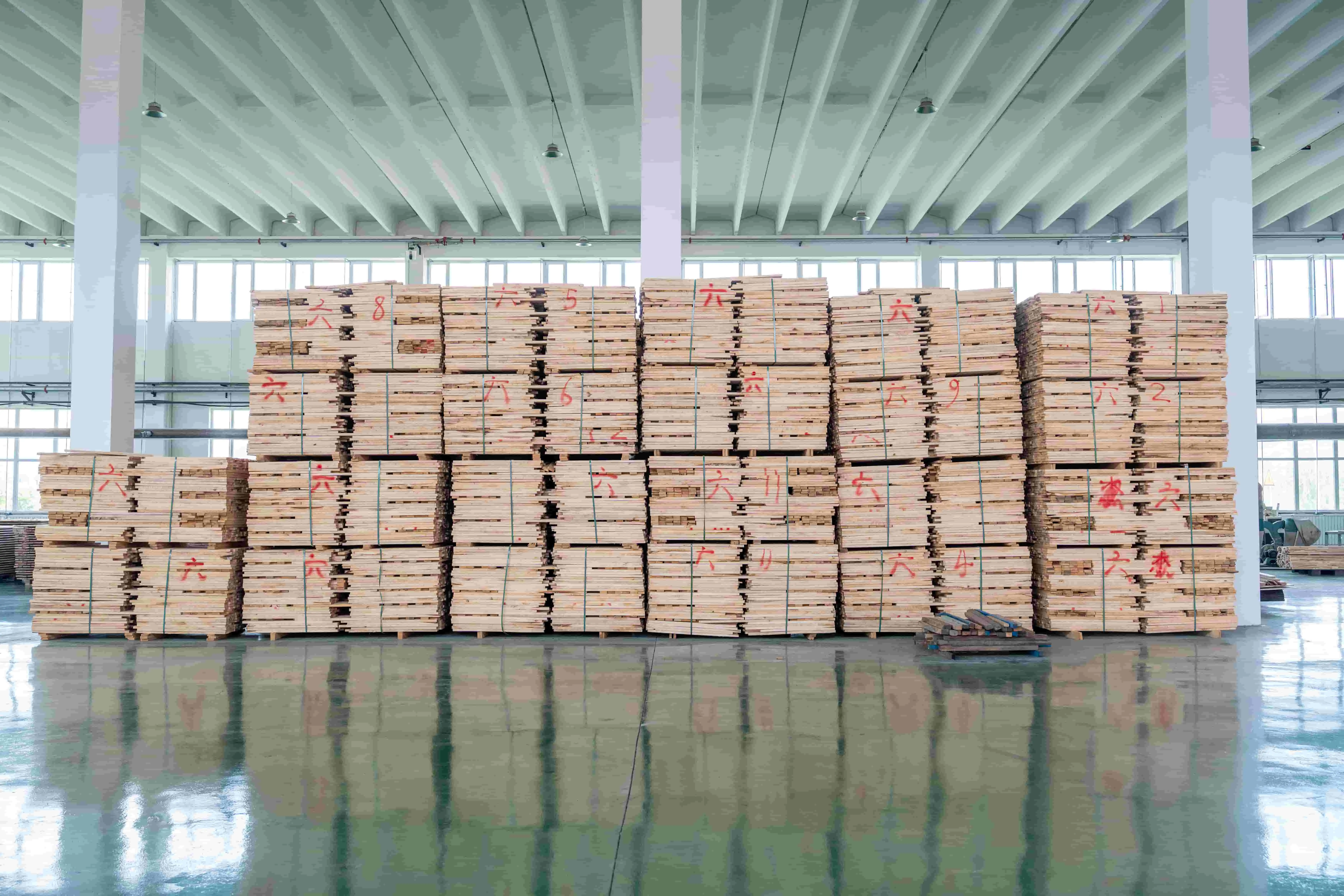
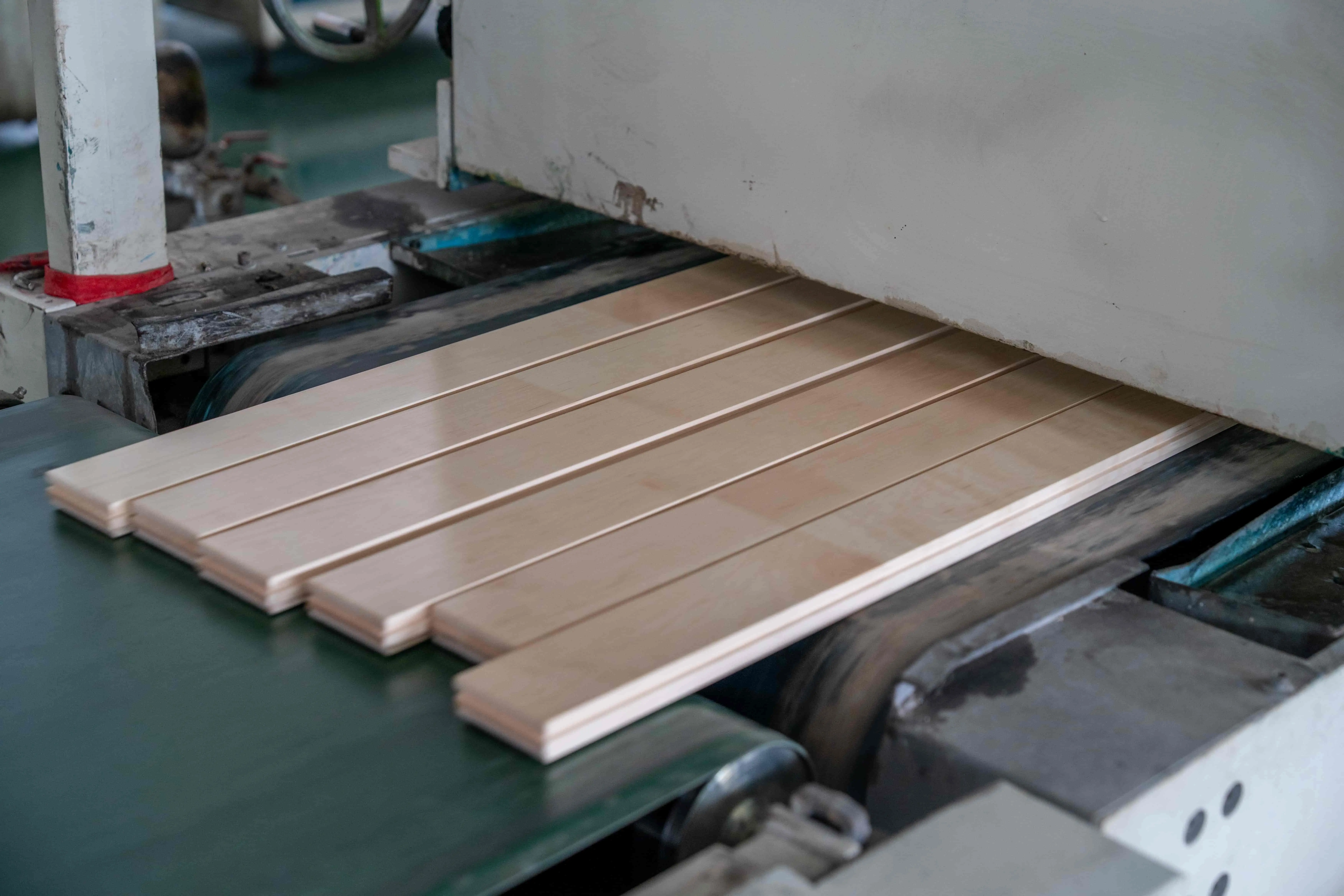
As part of figuring out production capacity, you should look at daily output amounts, inventory stocks, and the ability to make things in parallel across a number of different specification levels. Facilities that keep large stocks of raw materials—reflected in words like "sufficient raw materials available at the factory"—minimize lead time risks caused by problems with seasonal harvesting or shipping. A 90-meter-long automated painting production line shows that the company has put money into making sure the finish quality is uniform and that it can handle large jobs (over 10,000 square feet).
Negotiation Strategies and Custom Solution Development
Birch sports flooring usually costs between $8 and $15 per square foot for just the materials. Fully built systems with subfloor parts cost between $18 and $28 per square foot, but this depends on how complicated the job is and how much work costs in your area. When you buy more than 50,000 square feet, you can often get price cuts of 12 to 18% through tiered deals. This is because of economies of scale in buying materials and improving transportation.
Custom color matching is a great way to set your service apart, especially for businesses that want to make sure their brand looks consistent or their buildings look like they belong together. Manufacturers who use controlled staining methods to offer tawny, gray, and brown color choices give customers more options without having to wait for custom orders. With OEM and ODM capabilities, engineering workers can create their own flooring systems with specific shock pad setups, surface textures, or size requirements that set them apart from competitors.
Negotiating payment terms should strike a mix between managing cash flow and reducing source risk. Standard terms include a 30% deposit when the contract is signed, 60% payment before the shipment, and 10% holding after the installation is finished and the performance is checked. Letters of credit from internationally known banks protect both parties in cross-border transactions by making sure that payment is only released after proof that the shipment meets the requirements of the purchase order.
Installation Best Practices and Performance Verification
Whether or not manufactured flooring systems work the way they're supposed to depends on how well they are installed. For subfloor preparation, the concrete surfaces must be within 3/16 inch of being flat across 10-foot spans and have moisture vapor release rates below 3 pounds per 1,000 square feet per 24 hours, as shown by calcium chloride tests. Wood subfloors need to be checked for structural strength, with joists no more than 16 inches apart and limits on how much they can bend under L/360 loads.
Resilient sleeper systems or bottoms with springs give the area the stiffness it needs to have shock absorption values above 40%. When placed perpendicular to the final direction of the flooring planks, these parts have height-adjustable pedestals that make it possible to level big areas accurately. Elastic shock-absorbing pads placed between the sleepers and planks help get rid of extra energy and adjust the floor's physical response to the needs of each sport. Installation teams should leave growth gaps of 1-2 inches around all outer walls to allow for changes in size that happen with the seasons without causing buckling or gaps to form.
Performance testing after installation makes sure that the work met the requirements of the deal. Standardized equipment is used for ball bounce testing, which counts the percentage of bounces from balls at different court areas and finds problems that need to be fixed. For shock absorption verification, biomechanical testing tools are used to model the impact forces that an athlete would feel. This makes sure that the system's reactions meet the EN 14904 classification goals. Tribometers are used to measure surface friction and make sure that slip resistance is within safe working limits. Full test records that show these activities were carried out provide proof that the guarantee is valid and basic performance information for planning future maintenance.
Risk Management and Common Pitfalls to Avoid
When risk factors aren't properly considered during the purchasing and installation phases, even well-thought-out Birch sports flooring projects can run into problems that lower performance, raise costs, or pose safety risks.
Moisture-Related Failures and Prevention Strategies
Because wood is hygroscopic, managing wetness is the most common way that sports flooring systems fail. When planks are installed without being left to adjust to the humidity levels in the building for 7–10 days, improper adjustment methods often cause cupping, crowning, or gaps to form within the first year of service. For birch goods, quality makers say that the moisture content should be between 6 and 9 percent. Installation should only happen when the temperature and relative humidity are stable between 35 and 65 percent and the relative humidity is between 60 and 75 percent.
Concrete subfloor moisture seepage breaks down glue bonds and mold grows under flooring pieces. At least three places every 1,000 square feet should be tested for calcium chloride gas emissions. Readings below 3 pounds per 1,000 square feet per 24 hours are considered safe for installing wood floors. Before installing flooring, places with a high water table or new buildings with concrete that is less than 90 days old need moisture-reduction systems like cement air barriers.
Using a climate control device during the building process saves flooring investments. When buildings aren't heated in the winter or dried out during hot months, they become dimensionally unstable, which can show up as noise, movement, or finish delamination. The environmental conditions that need to be met during and after installation should be clearly stated in the procurement contract. There should also be responsibility terms that cover damage caused by mechanical system breakdowns that are out of the flooring contractor's control.
Identifying Substandard Products and Unqualified Suppliers
When buying something, people sometimes put the lowest price first instead of checking the quality, which can lead to goods that don't work right or break too soon. Warning signs include sellers who can't provide full certification documents, won't share information about their factories, or offer prices that are much lower than the market average without a good reason. Birch flooring that costs less than $6 per square foot is usually of lower quality because it was made with lower-grade wood that has flaws, wasn't dried properly, or didn't have a good finish applied.
Quality signs can be seen by looking at samples of the product. Premium materials have consistent grain designs that don't have any discoloration, knots, or mineral streaks. When tested with cross-hatch tape according to ASTM D3359 guidelines, finish surfaces should have a uniform sheen and no orange peel roughness, crazing, or fails to stick. Verifying the accuracy of the dimensions by measuring multiple planks with a ruler shows how precisely the product was made; width differences greater than ±0.5mm indicate poor quality control.
As part of a supplier's due diligence, working ability measurement is just as important as product inspection. Site visits to manufacturing sites, either in person or through video recordings, prove that the production tools and quality control structures that were stated exist. Checking with past customers for references can give you information about how reliable delivery is, how quickly technical help responds, and how quickly warranty claims are handled. Suppliers who have completed more than 1,000 sports venue projects show that they know how to handle complicated installation requirements and performance standard compliance.
Contract Protections and Performance Guarantees
Comprehensive purchase agreements set clear quality standards and processes for fixing problems, as well as distributing risks fairly between buyers and sellers. Specifications for materials should include performance measures for shock absorption, ball bounce, and friction factors based on well-known standards like EN 14904, ASTM F2569, and DIN 18032-2. Acceptance standards must spell out how to test, how to measure, and how to settle disagreements when results are outside of certain areas.
Long-term investments are protected by warranty terms that cover both material flaws and performance breakdowns. If there is delamination, excessive cupping, or plank separation, the structural warranty should cover it for 15 to 25 years. This is how long the product is supposed to last with proper upkeep. Finish guarantees that promise resistance to wear-through for 5 to 10 years show that the maker trusts the coating to last. To avoid warranty conflicts, it's important to clearly define any exclusions that have to do with poor upkeep, environmental condition violations, or illegal fixes.
Including performance-based retention terms in payment systems encourages good results. Holding back 10% of the contract value until successful completion of post-installation tests and 30–60 day observation periods keeps the provider involved during the important initial acclimation phase. Performance bonds or letters of credit from financially stable institutions give buyers financial protection if sellers back out of projects or don't fix problems within the time limits agreed upon in the contract.
Conclusion
To choose good birch sports flooring, you need to find a balance between performance requirements, lifecycle costs, and the supplier's skills within a full procurement framework. The natural properties of the material—fine grain structure, high elasticity, and good workability—make it a cheaper choice to traditional hard maple that still meets international standards for sports carpeting. For projects to be successful, they need to have strict checks on the suppliers, clear technical specs that cover things like moisture control and installation procedures, and contractual rights that promise long-term performance.
As environmental concerns and new technologies continue to change the sports flooring industry, procurement professionals who put money into thorough evaluation processes and build relationships with qualified manufacturers will get the best results for their facility portfolios in terms of athletic performance, safety, durability, and cost-effectiveness.

FAQ
How does birch compare to maple for sports flooring durability?
Birch sports flooring is much more durable than maple flooring, with a Janka hardness of 1260 lbf compared to 1450 lbf for maple. Birch is a little softer than oak, but its fine cellular structure makes it better at absorbing shocks in specific areas and equally good at resisting wear on the surface when finished properly. The material has a service life of 30 to 40 years, which is about the same as maple, as long as it is kept according to the manufacturer's instructions.
What environmental benefits does birch flooring provide?
Russian birch from trees that are handled well grows back faster than many hardwoods, which supports environmentally friendly buying practices. Products with the FSC label show that they follow environmental management standards, which meets the needs of LEED green buildings and business sustainability goals. Because birch is easy to work with, it produces less waste during the production process. Additionally, it naturally meets E1 emissions guidelines, which protects indoor air quality by keeping formaldehyde release below 0.124 mg/m³.
Can birch sports flooring be installed over concrete and wood subfloors?
When the right steps are taken to prepare the surface, birch flooring systems can be installed over both concrete and wood bases without any problems. For new pours, concrete projects need to have moisture vapor emission testing that proves rates are less than 3 pounds per 1,000 square feet per 24 hours, the surface must be flat within 3/16 inch over 10-foot spans, and the drying time must be more than 90 days. For wood subfloors, the structural soundness must be checked, and the joists must be spaced no more than 16 inches apart on center.
What maintenance practices extend birch flooring service life?
Daily dust cleaning with microfiber pads is the first step in routine care. This gets rid of rough particles that wear down finishes faster. Cleaning polyurethane-finished wood once a week with pH-neutral cleaners keeps dust from building up and protects against water damage. All year long, physical stability is protected by climate control systems that keep the temperature and relative humidity between 60°F and 35°F. 80–90% less dirt and wetness are tracked in by entrance matting systems, which focus security on areas with a lot of foot traffic.
How do I verify supplier qualifications for large-scale projects?
Full source verification checks the seller's ability to make things, their quality certifications, and their project experience records. Ask for copies of the ISO 9001 quality management certification, the IAF accreditation marks that show the product has been approved by a third party, the CNAS laboratory testing qualifications, and any product-specific certificates, such as B1 fire resistance and E1 emissions compliance. When figuring out how much manufacturing capacity a company has, it should take tours of the factory, either in person or virtually, and make notes on production equipment like automatic painting lines, precise cutting systems, and quality control infrastructure.
Partner with a Trusted Birch Sports Flooring Manufacturer
To make great sports surfaces, you need more than just good materials. You need to work with a maker that can help you with everything, from coming up with the specifications to installing the surface and keeping it in good shape. The Fushun Plum Flooring Co., Ltd. has been making high-quality Birch sports flooring systems for over ten years. These systems meet the strict needs of schools, professional sports venues, and business exercise centers in North America and other countries. We have direct buying relationships with Russian birch suppliers, and our own factories have German and Italian production lines.
This means that we can guarantee stable quality and low prices that no other birch sports flooring provider can match. Full certifications like ISO, IAF, CNAS, B1, and E1 give you the quality guarantee your buying process needs, and large inventory stocks get rid of the uncertainty about wait times that can throw off project plans. Get in touch with our expert team at plumflooring123@163.com to talk about your unique needs and get personalized suggestions backed by data from performance testing and project references.



References
1. International Association of Athletics Federations. (2019). IAAF Track and Field Facilities Manual: Standards for Sports Flooring Systems. Monaco: IAAF Publications.
2. National Wood Flooring Association. (2020). Technical Publication A200: Installation Guidelines for Wood Athletic Flooring. St. Louis: NWFA Industry Standards Board.
3. European Committee for Standardization. (2013). EN 14904: Surfaces for Sports Areas - Indoor Surfaces for Multi-Sports Use - Specification. Brussels: CEN Publishing.
4. American Society for Testing and Materials. (2018). ASTM F2569: Standard Test Method for Evaluating the Shock Absorbing Properties of Surfaces and Apparel in Collegiate Football. West Conshohocken: ASTM International.
5. German Institute for Standardization. (2014). DIN 18032-2: Sports Halls - Halls for Gymnastics, Games and Multi-Purpose Use - Part 2: Floors for Sports, Requirements, Testing. Berlin: DIN Standards Committee.
6. Forest Stewardship Council. (2021). FSC Principles and Criteria for Forest Stewardship: Version 5.2. Bonn: FSC International Center.
Get Price, Catalog, and Professional Flooring Solutions