- English
- French
- German
- Portuguese
- Spanish
- Russian
- Japanese
- Korean
- Arabic
- Greek
- German
- Turkish
- Italian
- Danish
- Romanian
- Indonesian
- Czech
- Afrikaans
- Swedish
- Polish
- Basque
- Catalan
- Esperanto
- Hindi
- Lao
- Albanian
- Amharic
- Armenian
- Azerbaijani
- Belarusian
- Bengali
- Bosnian
- Bulgarian
- Cebuano
- Chichewa
- Corsican
- Croatian
- Dutch
- Estonian
- Filipino
- Finnish
- Frisian
- Galician
- Georgian
- Gujarati
- Haitian
- Hausa
- Hawaiian
- Hebrew
- Hmong
- Hungarian
- Icelandic
- Igbo
- Javanese
- Kannada
- Kazakh
- Khmer
- Kurdish
- Kyrgyz
- Latin
- Latvian
- Lithuanian
- Luxembou..
- Macedonian
- Malagasy
- Malay
- Malayalam
- Maltese
- Maori
- Marathi
- Mongolian
- Burmese
- Nepali
- Norwegian
- Pashto
- Persian
- Punjabi
- Serbian
- Sesotho
- Sinhala
- Slovak
- Slovenian
- Somali
- Samoan
- Scots Gaelic
- Shona
- Sindhi
- Sundanese
- Swahili
- Tajik
- Tamil
- Telugu
- Thai
- Ukrainian
- Urdu
- Uzbek
- Vietnamese
- Welsh
- Xhosa
- Yiddish
- Yoruba
- Zulu
Key Features of Birch Basketball Court Flooring
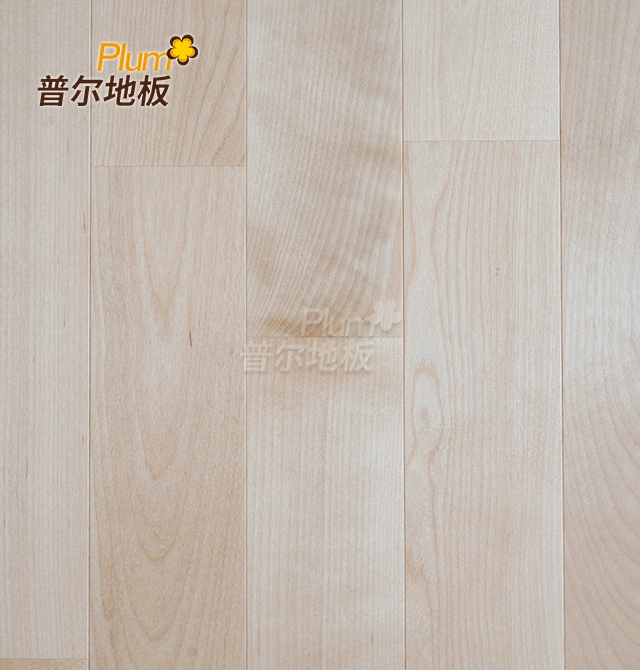
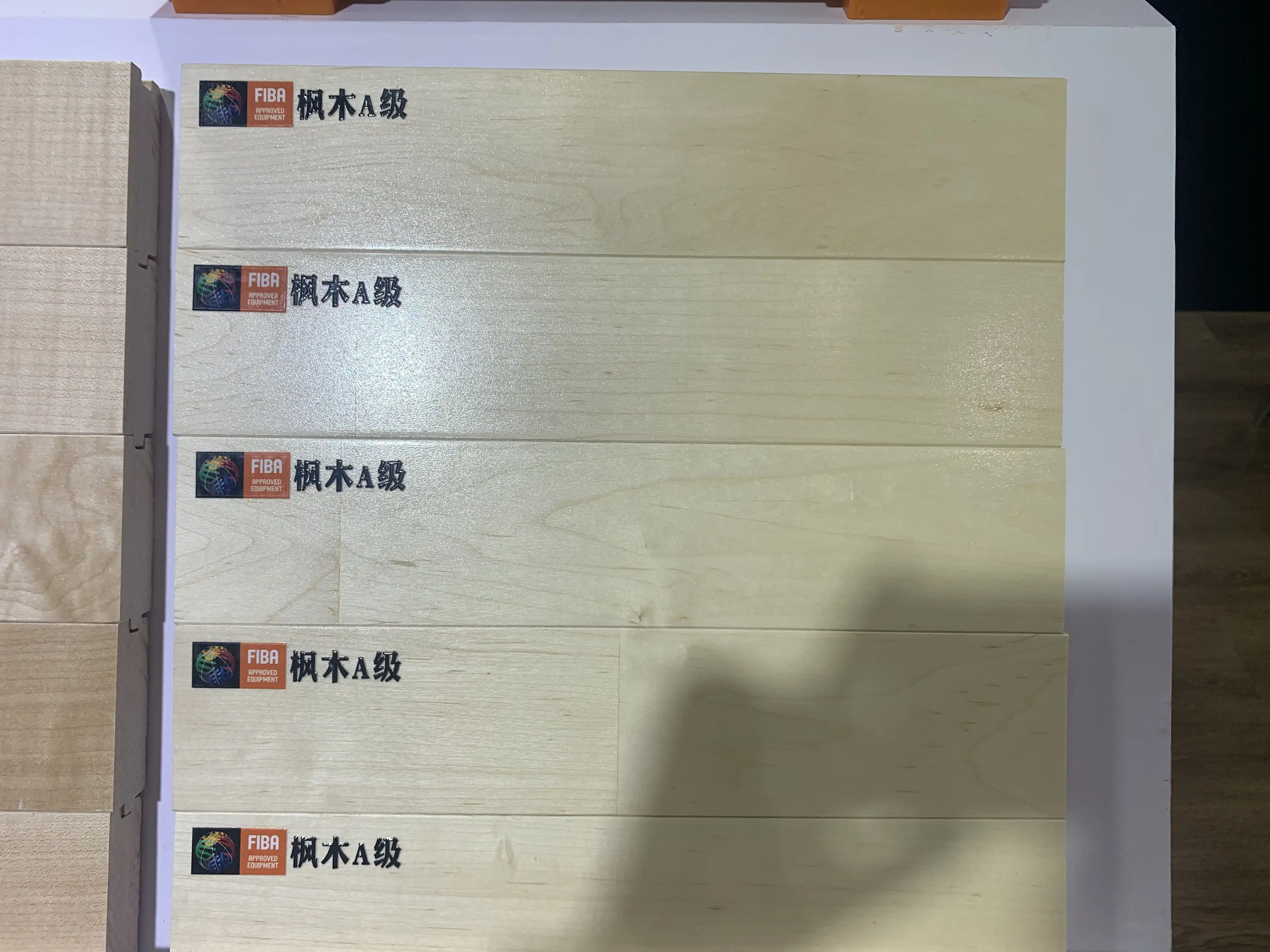
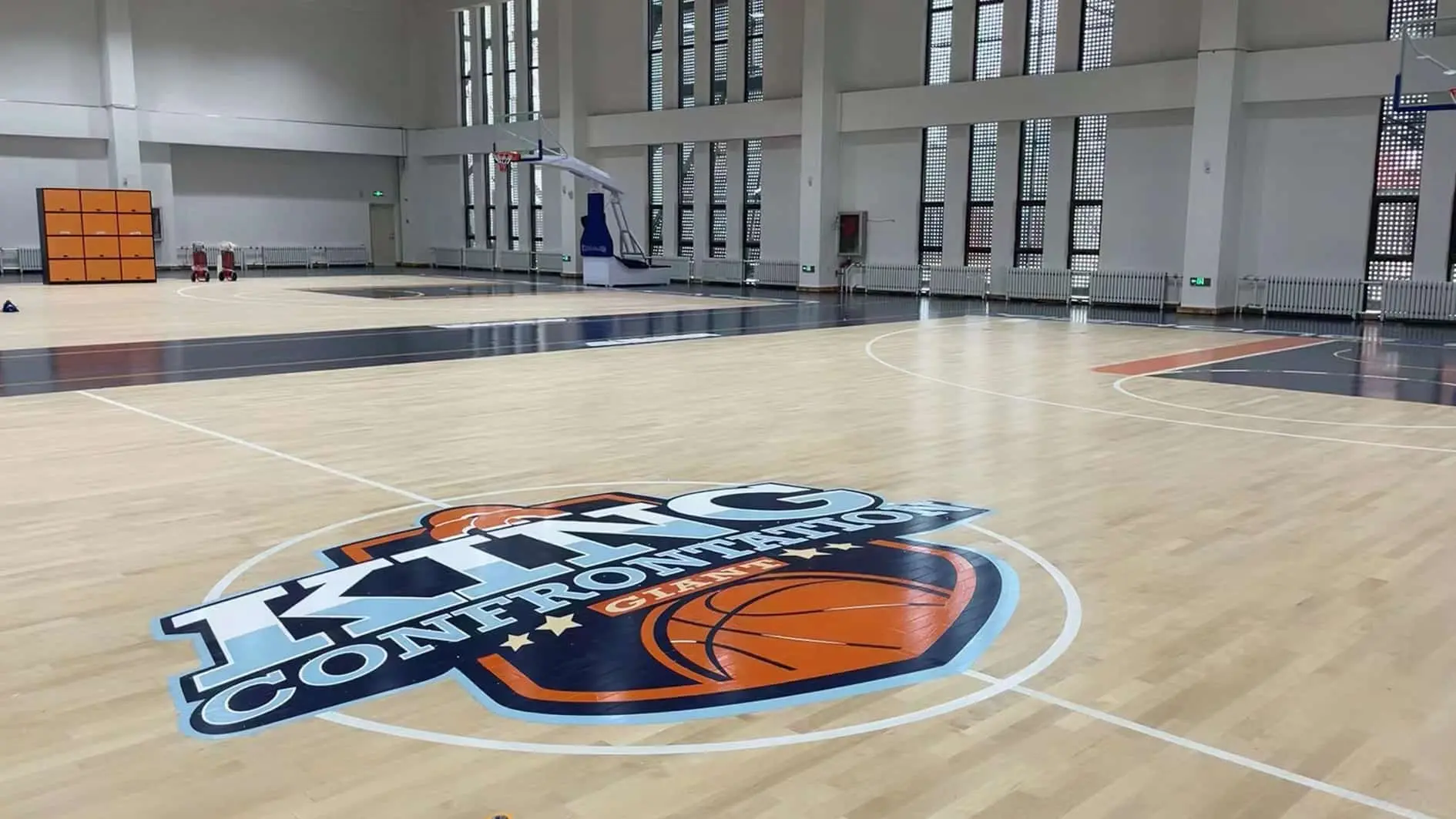
When it comes to high-performance sports surfaces, Birch Basketball Court Flooring stands out because it is both structurally sound and affordable. This type of hardwood flooring comes mostly from Russian birch and has a Janka hardness value of about 1,260 lbf, which means it is both resistant to contact and naturally absorbs shock. The grain structure is fine and delicate, and the texture is smooth and a little softer than maple. This gives players nice underfoot support while still being durable enough for intense basketball play. Because it holds nails well, is flexible, and can be painted easily, birch flooring has become a popular choice for sports sites that want solid performance without spending a lot of money.

Understanding Birch Basketball Court Flooring: Properties and Benefits
When looking at flooring choices for sports facilities, it's important to know what the core material's features are so you can make smart buying decisions. Birch wood flooring is a clever engineering choice that combines the benefits of a natural material with the accuracy of modern production.
Structural Composition and Manufacturing Excellence
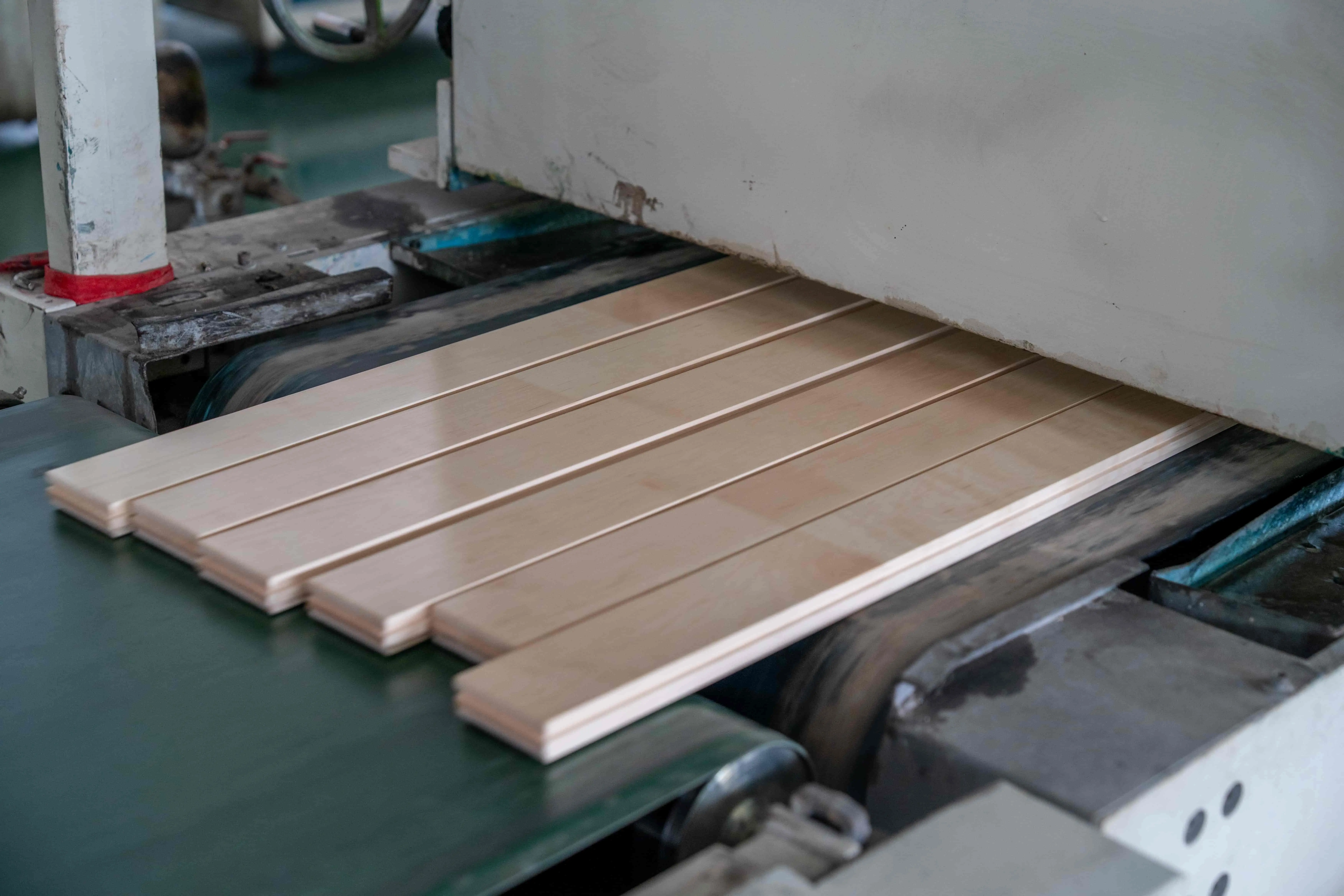
Careful choice of Russian birch wood, known for its uniform density and few flaws, is used in the production of high-quality birch sports flooring. At Fushun Plum Flooring Co., Ltd., we use production lines from Germany and Italy that keep very close limits on the sizes of the materials we use. Our birch flooring for badminton and basketball courts is 1800mm long, 60–80mm wide, and 22mm thick. These measurements are designed to work perfectly with substructures that are compliant with DIN 18032-2 and EN 14904.
The wood's natural ability to absorb shock is helped by its cellular structure, which has small, even holes. During processing, the material is kiln-dried to get the best moisture content, which is between 8 and 12%. This keeps the dimensions stable even when the temperature changes. This controlled drying process stops warping and cupping, problems that often happen with lower-quality wooden installs.
Mechanical Properties and Performance Metrics
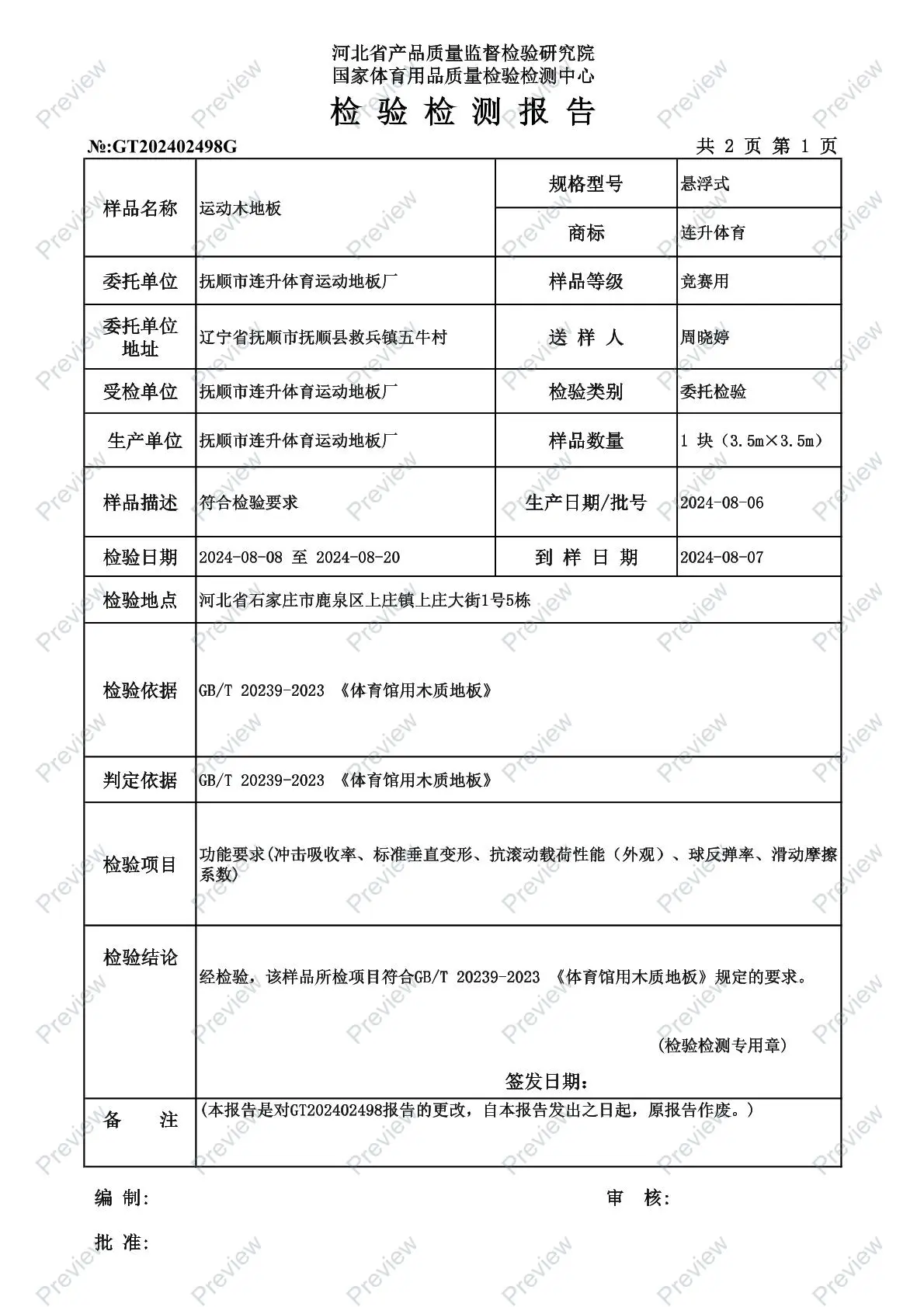
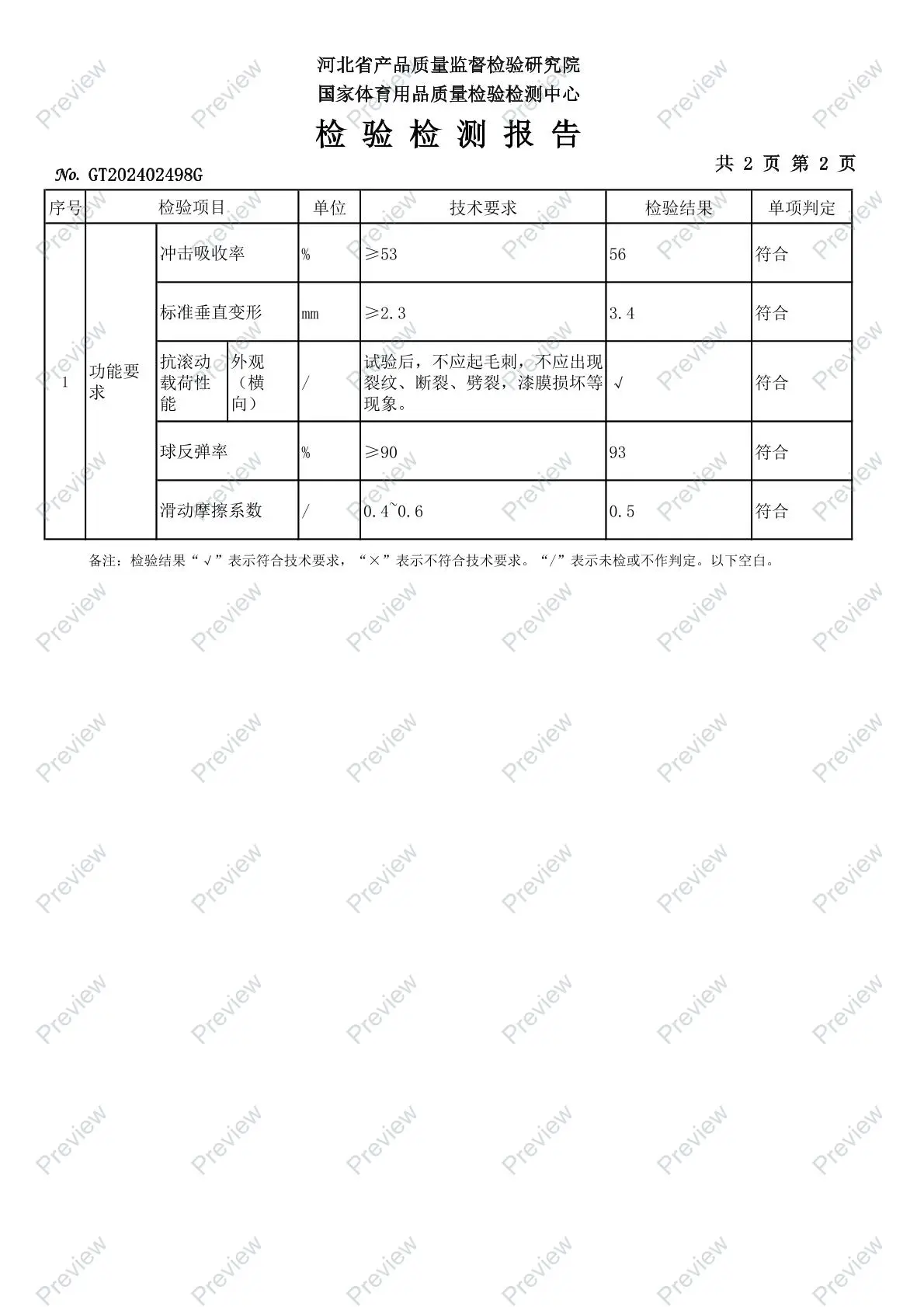
The mechanical properties of birch wood are very amazing and directly relate to better sports performance. Under normal stress conditions, the material's elastic modulus lets it bend up to 5mm in height, which is in line with international standards for shock absorption. This flexibility helps players' joints when they do high-impact moves like jumping and turning. The fine grain structure makes a smooth playing area where the ball consistently bounces back more than 90% of the time, which is an important factor for basketball games.
Our birch flooring has traction factors that stay between 0.4 and 0.6. This is the range that sports biomechanics experts say is best to avoid both slipping and too much contact, which can hurt your joints. The material's toughness grade means that it can take the concentrated impact loads that come from dropped tools and rolling bleacher systems without denting.
Environmental Sustainability and Safety Advantages
Choosing birch flooring is in line with today's standards for being environmentally responsible and provides real safety benefits. Russian birch woods are handled using sustainable forestry methods, which carefully balance the number of trees cut down with the number of years they take to grow back. Our goods have E1 approval, which means that formaldehyde emissions stay below 0.124 mg/m³, which is well below the levels that are safe for indoor air quality.
Concerns about volatile organic chemicals that come with synthetic options are taken care of by the natural makeup. In terms of safety, the way the grains are arranged in birch makes it less likely that the wood will split, even when the surface is heavily worn. The natural antimicrobial qualities of the wood keep germs from growing, which is an important thing to think about for buildings that are used for many different things. Additionally, our birch flooring has been certified as B1 fire-resistant, which means it has controlled burning properties that make it safer for buildings.
Performance and Maintenance: Ensuring Long-Term Value
To get the most out of your flooring investment, you need to know both how it performs and how to keep it in good shape so that you can keep playing on it for as long as possible.
Daily and Preventative Maintenance Protocols
Upkeep for birch sports flooring requires regular care, but it pays off with decades of reliable service. We suggest using microfiber materials for daily dry dust cleaning to get rid of rough particles that speed up surface wear. Chemically treated dust mops pick up small particles without adding water, which could damage wood. Cleaning with a tack cloth and pH-neutral, water-based cleaners made just for hardwood sports surfaces should be part of the weekly upkeep. It's still important to keep surfaces from getting too wet.
For example, never use auto-scrubbers with wet pads or steam cleaning equipment, because the water can cause edges to swell and finishes to come loose. Mats should be put down at all entrances so that dirt and moisture are collected before people walk on the playing area. During busy times, monthly checks help find small surface scratches or finish wear that can be fixed before the whole thing needs to be refinished. Controlling the humidity so that it stays between 35 and 50% stops expansion gaps from closing during wet months or getting bigger during dry winter months.
Finishing Systems and Surface Enhancement
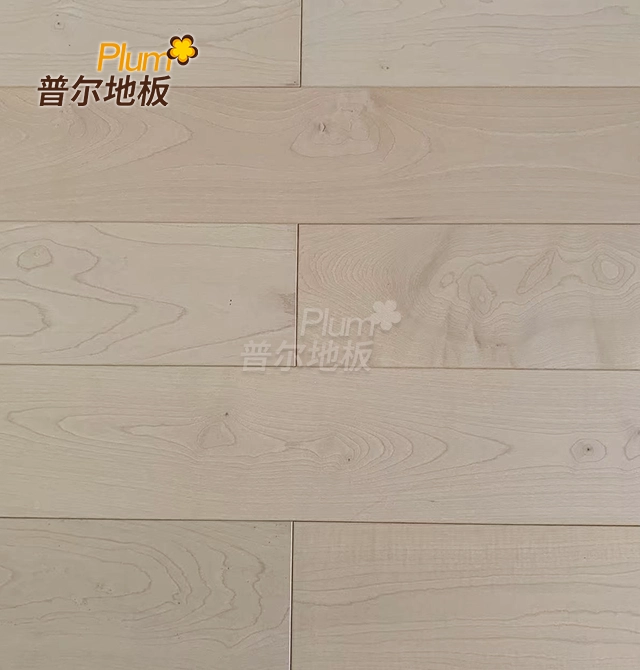
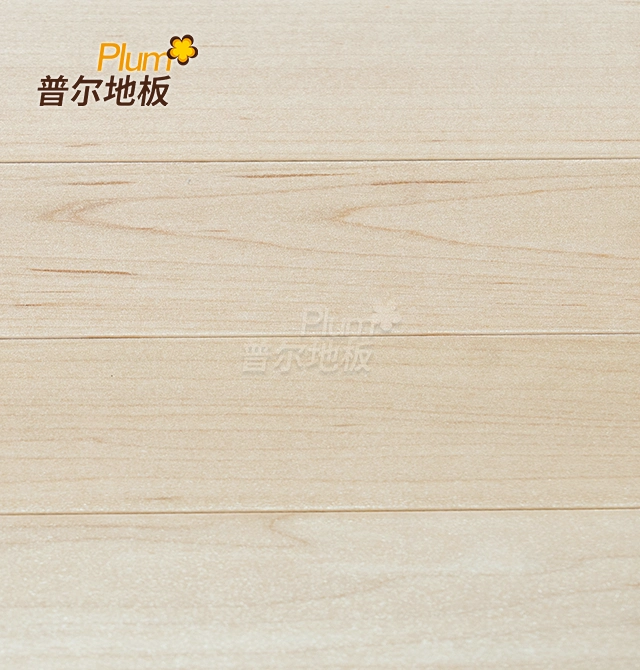
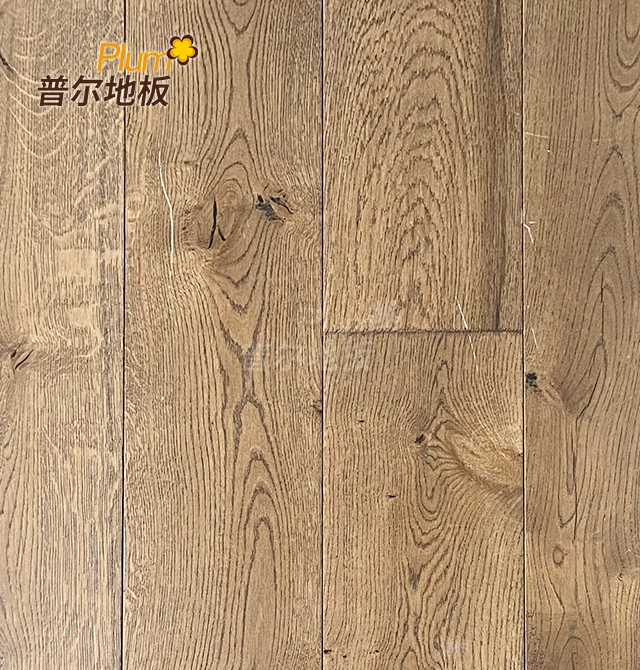
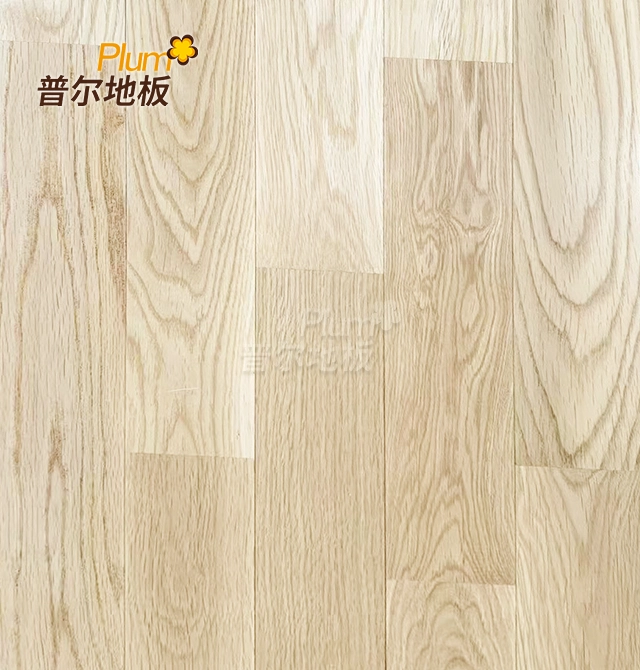
The finishing method used on birch wood has a big effect on both how well it works and how often it needs to be maintained. Our national standard 90-meter automatic painting production line uses multi-layer polyurethane finishes that go deep into the wood's structure while building protected topcoats. Water-based polyurethane systems are very clear, so you can see the birch's natural warm tones, which range from creamy sapwood to reddish-brown heartwood. They are also very resistant to wear and tear. Oil-modified polyurethane options are better at resisting water, which is especially helpful in places where the temperature changes often.
The surface friction coefficient is determined by the finish layer. Matte finishes usually give the best grip, while high-gloss choices make things easier to see by reflecting more light. For places that want to make sure people can grip the surface better, anti-slip additives can be added to the topcoats. However, this may make the ball spin less consistently. We put on at least three coats of finish, scraping in between each one to make sure they stick mechanically. This method of layering makes a finish that is about 3–5 mils thick and covers the wood base while still being flexible enough to allow for the floor's natural movement.
Expected Lifespan and Refinishing Capabilities
If you take care of your birch basketball flooring, it will last a very long time and be worth the money you spent on it. Under normal conditions of use, like daily PE classes, sports teams, and community events, birch surfaces will still be structurally sound for more than 40 years. The 22mm width gives the floor about 6mm of wear area above the tongue-and-groove joint, which means that it can be refinished five to seven times over the course of its lifetime. Usually, refinishing is needed every 7–10 years when surface scratches build up or finish wear makes the surface less slippery.
Professional screening is used to get rid of the old finish, and then fine-grit sanding is used to reveal new wood while keeping the level uniformity. For repainting, birch works great because it is easy to work with and has smooth cut surfaces. This makes the floor look almost brand new again. For skilled cleaning services, buildings should set aside about $2 to $3 per square foot. Screening and recoating once a year between big refinishing jobs removes surface scratches and adds new topcoats without going through to the bare wood, which extends the finish's life. This short-term care costs about $0.75 to $1.25 per square foot and can be done when the building isn't being used, so there isn't much downtime.
Birch Basketball Flooring vs. Alternatives: Informed Decision-Making
The market for sports flooring has a lot of different types of materials, and each one performs and costs differently. When procurement workers know about these comparison factors, they can choose flooring that fits the needs of the building and the budget.
Comparative Analysis with Hard Maple
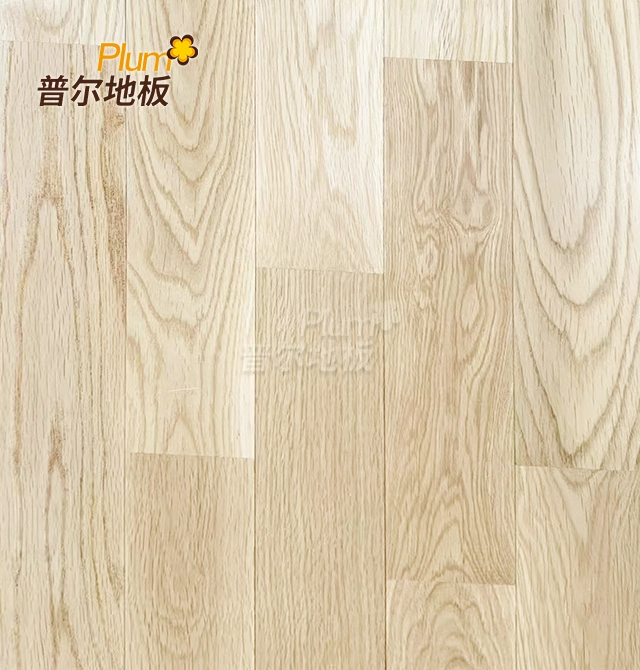
Hard maple has long been the standard for professional basketball courts, especially in NBA and NCAA Division I arenas. The Janka hardness grade for maple is about 1,450 lbf, which is about 15% higher than birch's. This means that maple is slightly more resistant to dents when hit hard. This difference in hardness isn't noticeable in K–12 schools and leisure centers where use isn't nearly as intense as it is in business settings. This small difference in hardness is balanced out by the many great things about birch.
The price is usually 10–20% less per square foot than expensive first-grade maple. This can save a lot of money on big jobs without lowering the quality of the structure. Birch's slightly lower density actually makes it better at absorbing shock, which could help athletes stay fresh during long games. When it comes to looks, many facility designers like birch better than maple because it has warmer tones and unique grain patterns.
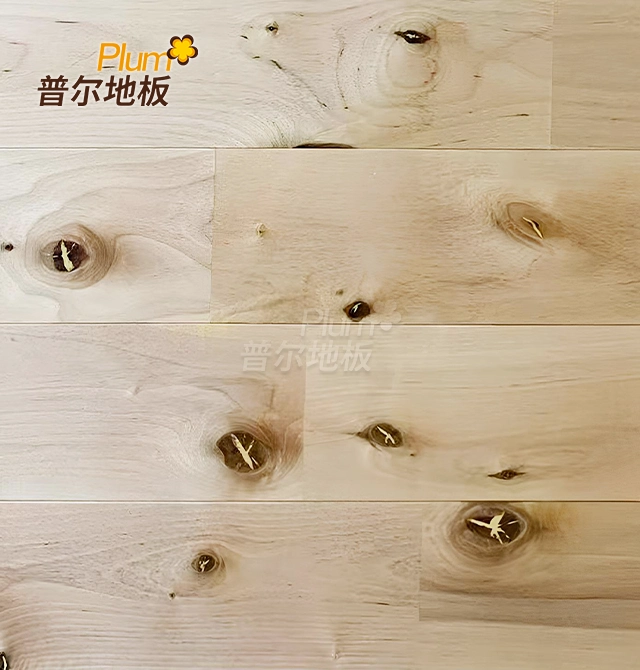
The different shades of dark brown heartwood in birch make the wood look interesting and hide scuff marks and wear patterns that stand out more on lighter maple surfaces. Both materials need to be maintained and controlled for dampness in similar ways, so their running costs stay the same. For projects that need to stay within a budget and value real hardwood performance over name recognition, birch offers the same usefulness at a better price-to-performance ratio.
Evaluation Against Synthetic and Engineered Alternatives
In buildings that can be used for more than one thing, synthetic surfaces like polyurethane and vinyl mixture materials have gained market share. These goods are easier to install and cost less up front; they usually cost $3 to $8 per square foot, while solid birch costs $8 to $15 per square foot. Concerns about humidity control and wetness damage are taken care of by synthetic surfaces, which makes them appealing to places that don't have a lot of HVAC systems. Still, these materials make performance problems that affect the sports experience worse.
The consistency of the ball's bounce on synthetic fields changes with changes in temperature and wear on the surface, making the playing conditions uncertain. The materials are all the same level of firmness, so they don't naturally absorb pressure like solid wood does. This could make joint stress on players worse. Synthetic surfaces also keep heat in, which makes playing on them difficult after a while. In terms of their lifespan, synthetic materials usually need to be replaced after 10 to 15 years, while real birch can be refinished many times, making it more valuable in the long run.
Engineered wood goods try to be both real wood and synthetics by putting hardwood veneers on top of plywood bases. These methods keep the look of wood while costing 15–25% less than solid birch. However, the thin veneer layers make repainting only possible a few times, and the layered construction makes delamination more likely in places with a lot of damp. Solid Russian birch performs better than both synthetic and manufactured options in places that want real hardwood performance and the most value over its lifetime.
Cost-Benefit Analysis for Procurement Decisions
To do good buying, you need to look at the total cost of ownership instead of just the purchase price. Quality Russian birch flooring usually costs between $6 and $10 per square foot for the wood itself. Installation can add another $4 to $7 per square foot, based on how complicated the subfloor is and how much work costs in your area. This means that the total cost of installation will be between $10 and $17 per square foot, which is in the middle of the price range for premium maple systems ($15 to $25) and fake options ($6 to 12). But estimates of lifecycle costs show that birch is a better deal.
The yearly cost drops to about $0.75 to $1.00 per square foot after 40 years of use, with regular upkeep and two refinishing processes. When synthetic surfaces need to be replaced twice in the same amount of time, they cost between $0.80 and $1.20 per square foot per year and don't work as well. Birch's ability to refinish gives you more options for updating the look of a building by changing the color of the finish without having to rebuild the structure.
Facilities should also think about the subtle benefits of quality hardwood floors, such as improved sports performance and fewer injuries. These benefits help the image of the program and make participants happy. Energy costs for humidity control systems are ongoing costs that all hardwood types have to pay, usually an extra $0.10 to $0.20 per square foot per year. For most institutional and business uses, Birch Basketball Court Flooring strikes the best mix between performance needs, aesthetic appeal, and cost-effectiveness.
Procurement Considerations: Finding the Right Supplier and Services
For flooring projects to go well, they need to work with providers who can show they know how to make things, keep the quality high, and provide full service.
Manufacturer Qualifications and Certification Standards
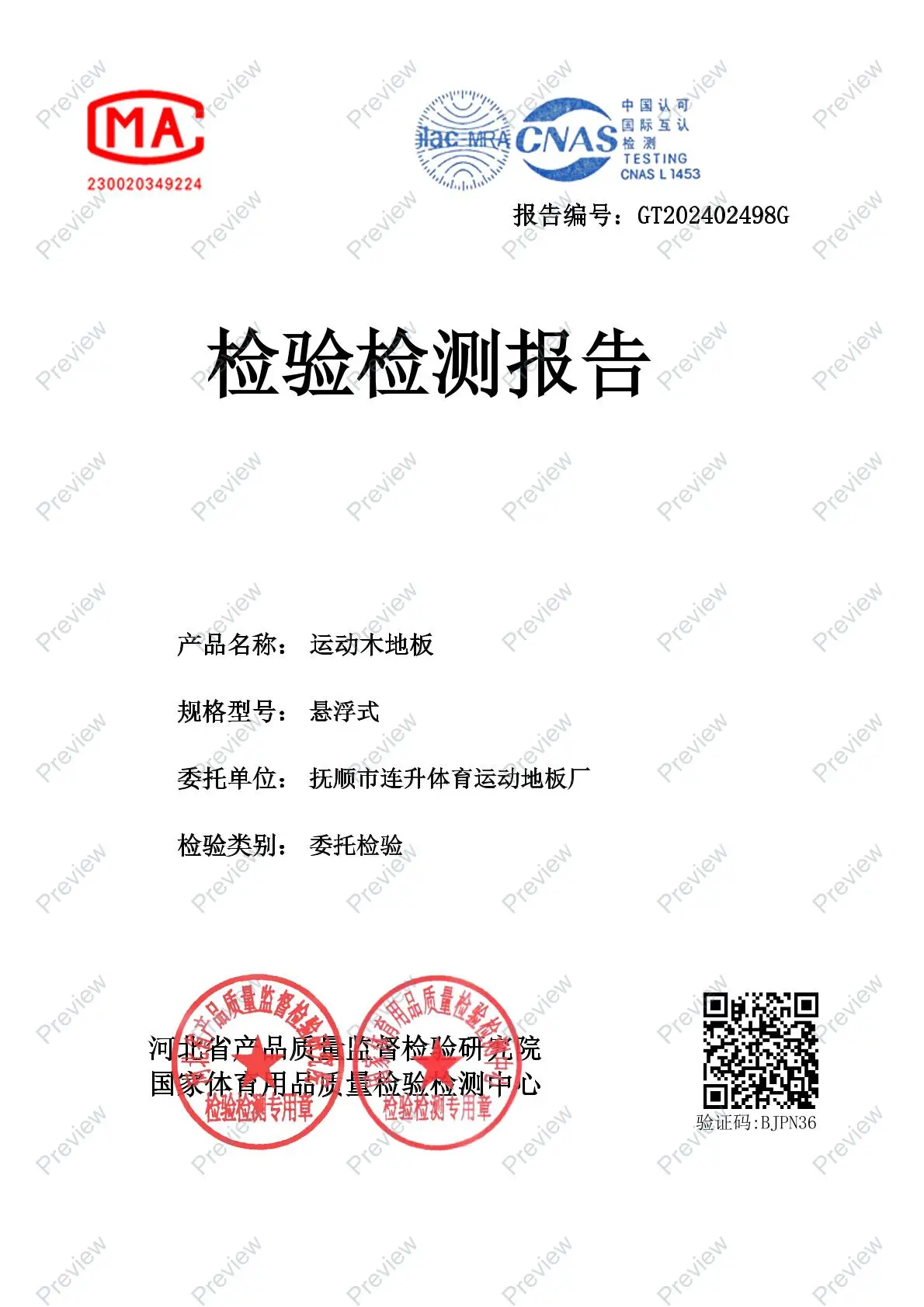
To find qualified birch flooring makers, you need to check both their production skills and their compliance documents. At Fushun Plum Flooring Co., Ltd., we keep a lot of certifications that prove how well we make things and how safe our products are. Our ISO license shows that we follow quality control systems that are known all over the world. These systems cover buying raw materials, making products, and inspecting them all at the end. The IAF and CNAS accreditations are third-party proof of our testing lab's skills, making sure that performance data accurately shows the qualities of the materials.
Our dedication to low-emission manufacturing is shown by our E1 environmental approval, which strictly controls formaldehyde levels below European safety limits. The B1 fire-resistance approval shows that our flooring meets the high standards for fire safety that are needed in educational buildings. In addition to licenses, we offer specialty test reports that include evaluations of sports flooring performance, inspection results for solid wood panels, and proof of elastic shock-absorbing pads.
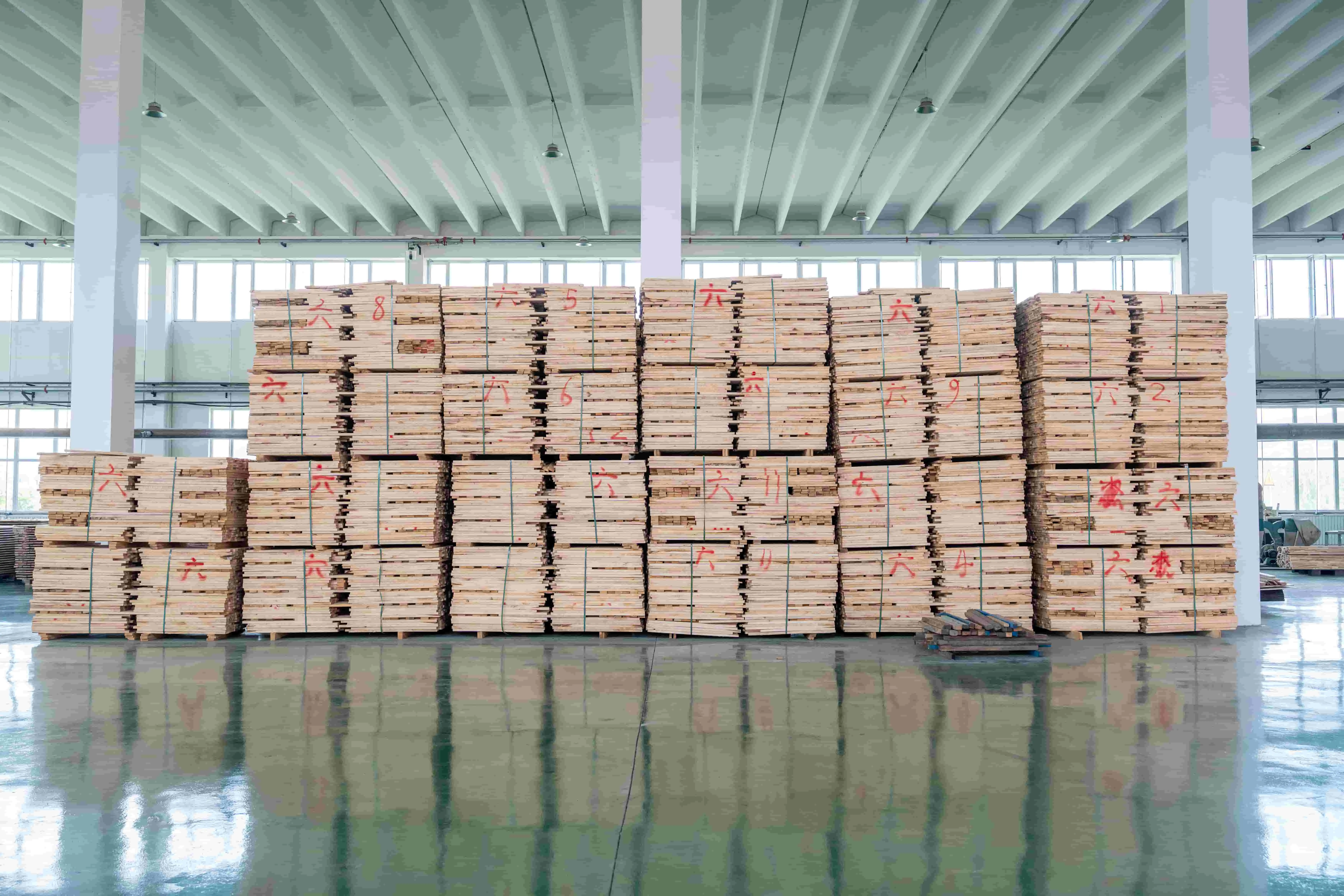
These papers help procurement experts do their research and meet the needs of institutions that buy things. We keep close ties with Russian wood providers so that we can track materials and make sure the quality is the same from the bush to the finished product. Our many production lines let us make different kinds of products at the same time, so we can handle both standard and special orders without having to wait longer for supplies.
Customization Capabilities and Bulk Ordering Advantages
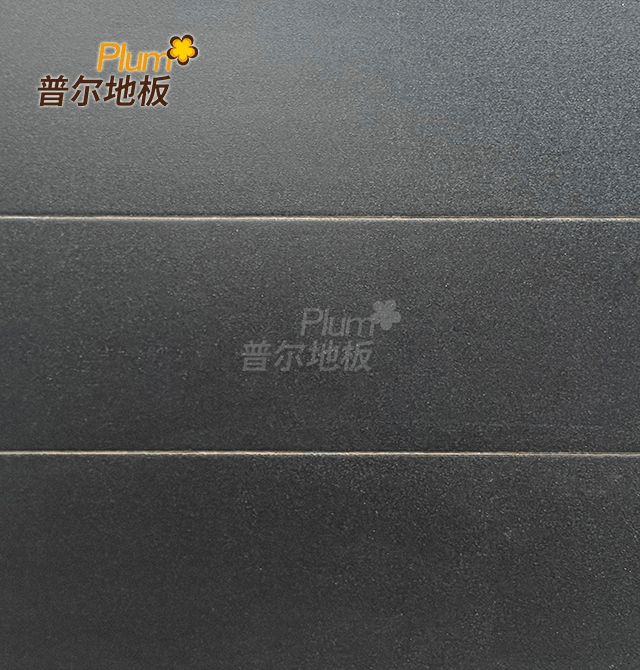
Modern sports centers need flooring options that are designed to fit the building's needs and the way it will be used. Our production flexibility lets us offer a wide range of customization choices that meet the needs of a wide range of projects. Our normal sizes—1800mm long, 60–80mm wide, and 22mm thick—work well for most basketball court uses. However, we can change the sizes to fit different subfloor systems or personal taste. Customizing the color is a very useful feature; you can choose from tawny, gray, brown, and custom-stained finishes that go with the building's name or architectural themes.
We provide both OEM and ODM services, which let contractors and distributors sell birch wood under their own brands or create their own product specs. For projects with multiple locations or distributor stocking plans, buying in bulk saves a lot of money. Tiered price cuts of 8–15% below normal rates are common for volume agreements of 5,000 square feet or more. At our plant, we keep a large stock of raw materials, which lets us quickly fill orders, even for big projects. Our monthly production capacity is more than 50,000 square feet, which makes sure that workers with tight plans always have what they need. During negotiations, procurement managers should talk about payment terms. We can work with a variety of arrangements, such as progress payments that are tied to project goals and longer terms for established business accounts.
Installation Support and Post-Sale Services
Premium makers are different from commodity providers because they offer full service support. We give you full installation instructions and best-practice rules that cover how to prepare the subfloor, how to get used to the new floor, how to attach the tiles, and how to finish them. During installation, our expert team can give remote advice to deal with problems that are unique to the spot and make sure that performance standards are met. We set up full installation services for projects in China that are within the country's borders through our network of qualified installers who have had special training in installing sports flooring systems.
Our export team can help with interpreting specifications and fixing problems in English. For warranty purposes, we keep thorough records of installations that cover both material flaws and production problems. We offer a basic warranty that covers structural failures, finish delamination, and dimensional instability due to mistakes in the production process. However, specific coverage times should be checked during the buying process. After the floors are installed, we offer upkeep training programs that teach building staff the right way to clean and fix small problems. This makes the floors last longer and keeps running costs low. We keep replacement materials for damaged areas in stock throughout the lifetime of our products.
Best Practices for Installation and Use of Birch Basketball Court Flooring
Getting the most out of Birch Basketball Court Flooring requires careful attention to both proper installation and ongoing use.
Subfloor Preparation and Installation Procedures
Preparing the subfloor correctly is the first step to a successful installation, since the holding structure has a direct effect on how well the final floor works. The base has to be level within 3mm over a 3-meter span. Any differences must be fixed by grinding or using self-leveling materials. Testing for moisture in concrete subfloors is needed to make sure that air release rates are less than 3 pounds per 1,000 square feet per 24 hours. Too much moisture can cause glue to fail and wood to expand.
Ground moisture can't get into the flooring system because of a vapor barrier layer, which is usually made of 6-mil polyethylene sheets with sealed gaps. The next layer is the robust pad, which is usually made of rubber or foam and has shock-absorbing properties. These pads should be checked to make sure they meet the project papers' standards for vertical deformation. Sleeper systems, which can be made of plywood sheets or dimensional boards, attach to the base and give flooring strips a place to go.
Sleepers must be put down so that they are not parallel to the planned direction of the floor and are always 12 to 16 inches apart. Before putting birch strips, the materials should be left to get used to the building for at least 72 hours. This gives the moisture in the materials a chance to balance with the air around them. Pneumatic flooring nailers are used to drive 50mm cleats through the tongue at 45-degree angles, with 8–10 inches of space between each strip. Leaving proper expansion gaps of 15-20mm around all outer walls lets wood move with the seasons. Installers should leave at least 150mm of space between end joints in rows that are next to each other.
Safety Enhancements and Performance Optimization
Several extra steps, in addition to basic installation, make safety and physical performance better. Anti-slip coats can be added to the finish system, but we usually find that the natural roughness of birch gives enough grip without any extras that could change how the ball bounces. Shock-absorbing underlays, especially high-density foam systems, lower the impact forces that go through the floor and into the ground. This lowers the stress that players' joints are put under during intense training. Instead of surface-adhesive tapes that can be dangerous if you trip, game line stripes should use special court marking paint that chemically joins with polyurethane finishes.
We suggest using water-based sports marking paints that won't damage the wood core when they're removed during refinishing and won't affect the floor's ability to breathe. Proper lighting design improves safety by getting rid of shadows and glare that make it hard to see the ball. The warm tones of birch reflect light more evenly than highly shiny fake surfaces. Professional installation of edge trim and transition pieces is recommended to get rid of height differences between the playing field and the floors next to it. Protective paneling and wall padding keep the edges of the floors from getting damaged when portable equipment hits them.
Routine Inspection and Preventative Repair
Setting up regular check schedules helps find new problems before they get worse and cause more expensive damage. The floor should be checked for finish wear patterns once a month, especially in high-traffic places like the key and three-point line. Scratches on the surface that go deeper than the finish layer need to be fixed right away to stop water from getting in and causing localized swelling.
By checking the expansion gaps, you can be sure that they haven't closed up because of too much humidity or gotten too big, both of which can be signs of problems with the environment control that need to be fixed with the HVAC. Every year, buildings should have trained flooring experts do professional inspections to check the subfloor's integrity, the safety of the fasteners, and the general stability of the system. During the off-season, small fixes like spot sanding and finish touch-ups can be done to keep the surface quality uniform.
You can replace damaged boards one at a time without affecting the surrounding areas. To match the color and grain pattern, you will need to choose new material from the same manufacturing lot or be okay with some differences that occur naturally. Emergency repairs are much more expensive than preventative steps. Spending 2% to 3% of the floor's starting cost each year on maintenance usually keeps big problems from happening during the floor's useful life. Facilities should keep detailed maintenance logs that record all cleaning, inspection, and repair work. This will create useful past records that will help facility managers make choices in the future.
Conclusion
Birch Basketball Court Flooring is becoming a popular option for procurement workers who want to find the best mix between performance, sturdiness, and cost-effectiveness. The material's competition hardness, ability to naturally absorb shock, and ability to be refinished give it long-term worth that exceeds initial cost considerations. Russian birch's fine grain structure, excellent workability, and warm aesthetic appeal create distinctive playing surfaces that athletes appreciate and facility managers trust.
When sourced from certified manufacturers maintaining rigorous quality standards, birch flooring systems provide decades of reliable service across educational, recreational, and commercial sports facilities. The comprehensive technical specifications, maintenance requirements, and procurement considerations outlined throughout this guide equip B2B buyers with the knowledge necessary to make confident flooring investment decisions that serve their institutions well into the future.

FAQ
How does birch flooring durability compare with maple for high-traffic basketball courts?
Even though it is not as hard as maple, birch is a great choice for educational and leisure buildings because it lasts a long time. It is perfectly hard enough for daily PE classes, neighborhood leagues, and competitive play with a rating of 1,260 lbf. The material's resilience—its ability to bounce back after being compressed—is as good as or better than maple's.
What maintenance differences exist between birch and other hardwood sports flooring?
Maintenance for birch sports surfaces is pretty much the same as for maple and other wooden sports surfaces. Daily dry mopping gets rid of rough particles, weekly cleaning with special hardwood solutions keeps the finish in good shape, and screening and recoating once a year keeps the surface protected. The main distinction is how birch looks after wear and tear.
Can birch basketball flooring be customized for multi-sport or specialty court designs?
Of course. Our production skills allow for a lot of customization for a wide range of sports uses. Even though basketball courts are our main market, the same Russian birch material and production methods are also used in dance studios, volleyball courts, and gyms that can be used for more than one sport. Different colors of court marks can be used to clearly separate the borders for basketball, volleyball, and badminton.
What quality certifications should B2B buyers prioritize when sourcing birch sports flooring?
Professionals in procurement should check a number of important certificates that prove the quality of a product and its compliance with regulations. ISO certification shows that the company has recorded quality control systems that cover all stages of production, from getting the raw materials to checking the finished product. Environmental standards, especially the E1 standard, show that formaldehyde emissions stay below safe levels for crowded areas. This is a very important thing to keep in mind for schools.
How do shipping logistics and installation timelines work for international birch flooring orders?
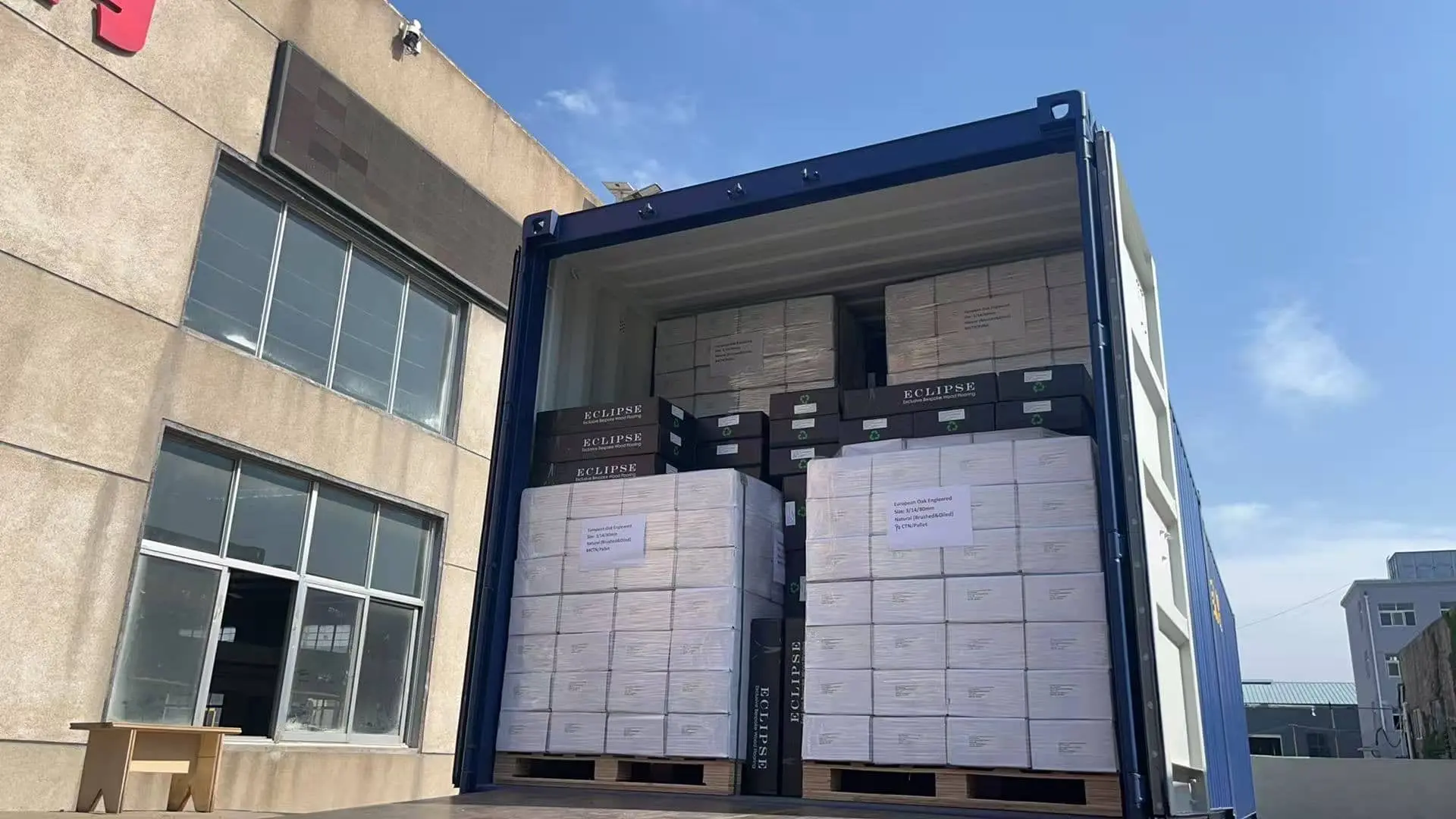
For international buying to go smoothly, factory schedules, shipping arrangements, and installation schedules need to be coordinated. Our large stockpile of raw materials and monthly production capacity of more than 50,000 square feet allow us to usually complete orders within 3–4 weeks for standard requirements. Depending on how complicated they are, custom orders that need special finishing or sizes may take 5 to 6 weeks to complete. Shipping containers from our sites to major North American ports by water usually takes 4 to 6 weeks.
What warranty coverage and post-installation support does your company provide?
We stand behind the quality of our making by offering a full guarantee that covers both material defects and problems with the way the structure works. Our normal guarantee covers problems with the way the product was made, like unstable dimensions, finish peeling off, and structural failures due to flaws in the material or the way it was made. Details about coverage, like how long it lasts and how to file a claim, should be checked during the procurement process, since terms may change depending on the size and type of the project and factors in the area.
Partner with Fushun Plum Flooring Co., Ltd. for Your Birch Basketball Court Flooring Project
Ready to experience the performance advantages and cost efficiency of premium Russian birch sports flooring? Fushun Plum Flooring Co., Ltd. combines 1,000+ completed sports venue projects with direct manufacturing capabilities spanning the entire production chain—from Russian timber procurement through final installation support. Our ISO, IAF, CNAS, B1, and E1 certifications validate our commitment to quality, safety, and environmental responsibility. As a direct birch basketball court flooring manufacturer, we eliminate distributor markups while maintaining substantial inventory for rapid project fulfillment. Contact our international sales team at plumflooring123@163.com to discuss your facility requirements, request technical specifications, or arrange sample shipments.


References
1. Anderson, T. (2019). Sports Surface Performance: Engineering Principles for Athletic Flooring Systems. Athletic Facilities Publishing.
2. Chen, W. & Roberts, M. (2021). "Comparative Analysis of Hardwood Species for Indoor Sports Applications." Journal of Sports Engineering and Technology, 235(4), 412-428.
3. International Association of Gymnasium Builders. (2020). Standards for Indoor Sports Flooring: Technical Guidelines and Performance Requirements. IAGB Technical Committee.
4. Morrison, K. (2018). Sustainable Forestry and Wood Products: Environmental Considerations in Building Material Selection. Green Construction Press.
5. Petersen, R. & Zhang, L. (2022). "Lifecycle Cost Analysis of Hardwood vs. Synthetic Athletic Surfaces in Educational Facilities." Facilities Management Quarterly, 47(2), 89-104.
6. Williams, D. (2020). Installation and Maintenance Best Practices for Hardwood Sports Flooring. Professional Flooring Association Technical Manual.
Get Price, Catalog, and Professional Flooring Solutions