- English
- French
- German
- Portuguese
- Spanish
- Russian
- Japanese
- Korean
- Arabic
- Greek
- German
- Turkish
- Italian
- Danish
- Romanian
- Indonesian
- Czech
- Afrikaans
- Swedish
- Polish
- Basque
- Catalan
- Esperanto
- Hindi
- Lao
- Albanian
- Amharic
- Armenian
- Azerbaijani
- Belarusian
- Bengali
- Bosnian
- Bulgarian
- Cebuano
- Chichewa
- Corsican
- Croatian
- Dutch
- Estonian
- Filipino
- Finnish
- Frisian
- Galician
- Georgian
- Gujarati
- Haitian
- Hausa
- Hawaiian
- Hebrew
- Hmong
- Hungarian
- Icelandic
- Igbo
- Javanese
- Kannada
- Kazakh
- Khmer
- Kurdish
- Kyrgyz
- Latin
- Latvian
- Lithuanian
- Luxembou..
- Macedonian
- Malagasy
- Malay
- Malayalam
- Maltese
- Maori
- Marathi
- Mongolian
- Burmese
- Nepali
- Norwegian
- Pashto
- Persian
- Punjabi
- Serbian
- Sesotho
- Sinhala
- Slovak
- Slovenian
- Somali
- Samoan
- Scots Gaelic
- Shona
- Sindhi
- Sundanese
- Swahili
- Tajik
- Tamil
- Telugu
- Thai
- Ukrainian
- Urdu
- Uzbek
- Vietnamese
- Welsh
- Xhosa
- Yiddish
- Yoruba
- Zulu
Why Choose Antique Birch for Classic Interiors
Classic rooms need floors that are both aesthetically pleasing and strong, and antique birch flooring strikes just the right note. We at Fushun Plum Flooring Co., Ltd. have seen how birch from Russian woods, which has fine grain patterns and warm tonal shifts from creamy sapwood to reddish-brown heartwood, creates a look that is true to the past while still meeting current performance standards. This material choice meets the needs of procurement managers who want to save money without giving up the steadiness and workability that are necessary for large-scale projects. For boutique hotel lobbies, school buildings, or heritage restoration projects, birch is a good choice because it has a moderate Janka hardness grade and is easy to paint. This means it can fit a wide range of classic design styles while still being durable enough for business settings.
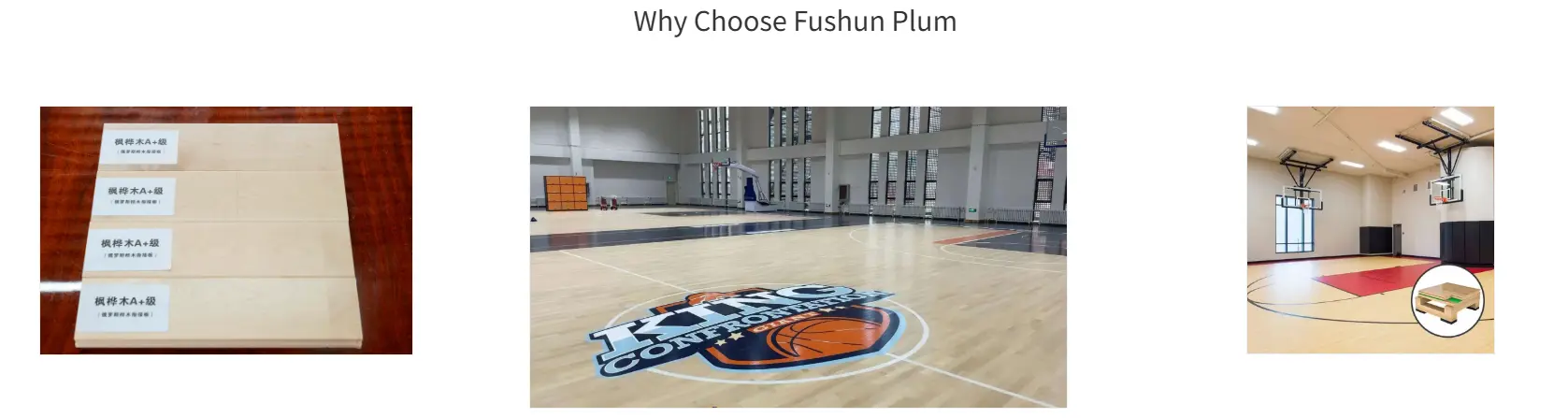
Understanding Antique Birch Flooring: Features and Benefits
The Distinctive Character of Birch in Traditional Settings
Birch wood has been used as a building material in Northern Europe and North America for hundreds of years because of its tight cell structure and simple beauty. "Antique birch flooring" refers to a certain set of grading standards that emphasize visual depth, such as natural knots, mineral streaks, and color variation, which are things that standard commercial grades are meant to hide. We only get our materials from Russian woods, where slow growth makes the growth rings more closely spaced, making the structure more stable than materials grown on plantations.
At 12% moisture content, the species has a specific gravity of about 0.62, which means that it has an average modulus of breakage of 16,600 psi. Because it can bend so easily, it can be used for setups that span joists in remodeling jobs where the subfloor may not be in the best shape. Finishes can go through evenly because the wood is closed-grain. This makes smooth surfaces that stay shiny longer than open-grain species like oak or ash.
Technical Advantages for Commercial Applications
Our antique birch goods are 1800mm long, 60–80mm wide, and 22mm thick, which is the same size as commercial-grade solid wood recommended by the National Wood Flooring Association. The material's flexibility naturally absorbs shock, which is helpful in common rooms where people and furniture move around a lot. In contrast to harder foreign species that can micro-fracture when the flooring bends, birch is slightly softer than maple, so it can only slightly compress without damaging the surface.
The tongue-and-groove fitting method we use makes sure that the boards are tightly connected, so gaps don't form when the humidity changes with the seasons. In parts of the United States where the relative humidity changes a lot between the heating and cooling seasons, this planning factor becomes even more important. During kiln drying, our production process keeps the moisture content between 6% and 9%, which is the same as the equilibrium moisture content found in business buildings with climate control.
Sustainable Sourcing and Environmental Credentials
These days, environmental certificates are an important part of the buying process. Our birch wood has an E1 level formaldehyde emission certification, which means it meets strict European standards that limit emissions to less than 0.124 mg/m³. This is a lot less than what California's CARB Phase 2 rules allow. The B1 fire grade means that the material is not easily ignited and doesn't produce much smoke, which is important for schools and public gathering areas.
We keep close ties with forest management groups in Russia to make sure that the raw materials we use come from stands that were gathered in a responsible way. Because the supply chain is clear, we can show proof that meets the standards for LEED certification under the Materials and Resources point area. Our plant keeps enough inventory on hand to keep shipping times constant, which is useful for contractors who are planning phased setups at multiple project sites.
Comparing Antique Birch Flooring with Alternative Wood Flooring Options
Performance Benchmarks Against Oak and Maple
When making buying choices, antique birch flooring is often put up against oak and maple, which are the most common species in industrial flooring in North America. Red oak has a Janka hardness of 1290 lbf, while our birch version has a hardness of about 1470 lbf. This means that it is more resistant to being dented by wheels and heavy loads. At 1450 lbf, maple is about as hard as oak, but it doesn't have the noticeable grain character that makes old look so appealing.
Different species have very different visual preferences when it comes to classic designs. Oak's large ray fleck patterns make surfaces that are busy and can make traditional wainscoting and fancy molding look bad. Birch has softer figure variations, like small waves and sometimes bird's-eye designs, that go well with building details instead of competing with them. The wood takes dyes more evenly than maple, which needs special methods to prepare before staining, which costs more in work.
Protocols for maintenance are another thing that sets them apart. Oak's open grain structure traps dirt, so areas with a lot of foot traffic need to be deep cleaned more often. Birch's smooth surface doesn't let dirt stick to it, which means that cleaners will spend less time maintaining a building over its lifetime. We have proof of this benefit from case studies done at several community sports centers. Over a five-year period, birch floors in extra rooms needed 30% fewer cleaning jobs than oak floors in the same rooms.
Evaluating Engineered and Laminate Alternatives
For jobs that need to stay within a budget, engineered wood or plastic alternatives are sometimes thought of. Engineered goods with birch veneers on top of plywood bases are better at keeping their shape below grade or over radiant heating systems. However, the thin wear layer (usually 4mm in good products) means that cleaning and refinishing can only be done once or twice. Solid 22mm planks, on the other hand, can handle five to seven repainting operations.
Photographs are used to make laminate goods look like wood, but they don't add any solid support to subfloor systems. Even though the synthetic wear layer is scratch-resistant, it sounds hollow when you walk on it, which doesn't feel like the kind of material realism that classic rooms require. Lifecycle cost analysis-focused procurement teams know that the higher initial cost of solid wood is spread out over many decades of useful life with proper upkeep, while laminates usually need to be replaced every 15 years in business settings.
For places that need to match materials to the right time period, like historic museums or heritage site repairs, solid birch is still the best choice. Photographs can't capture the three-dimensional depth of the grains or the real sheen that develops over time. This realism has real value in projects where design review boards require choosing materials that are acceptable for the time period.
Cost-Performance Balance for Project Budgets
Solid birch is usually 15–25% cheaper than similar grades of white oak, which gives workers who are managing fixed-price contracts more budget freedom. Standard tongue-and-groove systems with similar fixing plans mean that the amount of work needed for installation is the same for both species. Birch is easy to work with because it cuts cleanly without splintering and holds nails very well. This means that less trash is produced, which helps to cover some of the cost of the material by increasing output rates.
At the moment, the practicalities of transportation support birch. Our plant is conveniently located near Russian wood sources and well-established export routes through Far Eastern ports, which allows us to offer cheap shipping rates to entry points on the West Coast. When you combine orders for projects bigger than 5,000 square meters, you can save even more money. This is something that general builders who are in charge of building multiple venues at the same time should think about.
Maintenance and Longevity: Ensuring Lasting Performance
Practical Cleaning Protocols for Commercial Environments
Facility managers who are in charge of antique birch flooring setups can keep them looking good with simple care tasks that don't require any special tools. Using microfiber pads to mop up dust every day gets rid of the rough particles that wear down surfaces over time. Using pH-neutral cleaners and damp sweeping once a week to protect the UV-cured polyurethane topcoat keeps it in good shape without leaving behind films that dust can stick to.
The low-gloss finish we use in the plant is better in many ways than high-gloss finishes. Satin sheens hide small scratches and scuff marks that would stand out on glossier surfaces, so you can go longer without repainting. This finish choice is especially useful in schools, where moving furniture and walking around cause wear patterns to cluster in regular areas.
We suggest applying manufacturer-approved maintenance coats every three months. These are thin layers of polymer that renew surface protection without having to sand the whole thing down. This preventative method is about a tenth of the cost of full cleaning and makes the product last longer. Keeping records of these repair tasks helps people follow through on their warranties and gives places useful information for making long-term budgets for capital improvements.
Lifecycle Analysis and Durability Projections
When used in industrial settings and kept in good condition, solid birch wood usually lasts 30 to 40 years before it needs to be replaced. This durability comes from the material's ability to keep its shape and its thickness reserves, which allow for multiple cleaning processes. Each cleaning takes off about 0.5mm of the surface, so our 22mm planks will stay structurally sound through many restorations.
Conditions in the environment have a big effect on how well people do their jobs. Installations in climate-controlled buildings that keep the relative humidity between 35 and 55% experience very little seasonal movement, usually less than 0.2% change in size. If you don't have good HVAC control in certain areas, they might gape a little in the winter when it's not wet, but this isn't a sign of structural failure.
We offer material warranties that cover flaws in the manufacturing process for ten years from the date of installation. Performance warranties last for five years if our technical rules are followed by approved contractors during installation. These guarantee structures show that you trust the quality of the materials and make it clear what you expect in terms of site preparation and environmental controls.
Finish Selection and Surface Protection Strategies
The UV-cured polyurethane finish that is put on during production hardens when exposed to ultraviolet light. This makes the surface harder and more resistant to chemicals than regular air-dried finishes. This method is performed in the workshop, so there are no fume issues on-site, and the film thickness is the same on all boards. The finished surface doesn't get stained or delaminated by typical industrial cleaners, coffee spills, or short-term water exposure.
You can also use deep oil treatments, which make the grains stand out more while giving the skin a natural feel. These finishes need to be recoated more often—usually once a year—but they are easier to fix in spots than film-forming polyurethanes. Procurement teams should choose finishes based on how easy they will be to maintain and how important looks are for each project.
Walk-off mat systems that go at least twelve feet into buildings are helpful in entry zones because they catch most of the abrasives that people track in before they hit wood surfaces. We were able to prove that this simple change lowers wear rates by measuring the gloss of the surface at sites that were being watched. Putting area rugs in high-traffic hallways in a smart way adds extra safety and fits in with the overall style of the room.
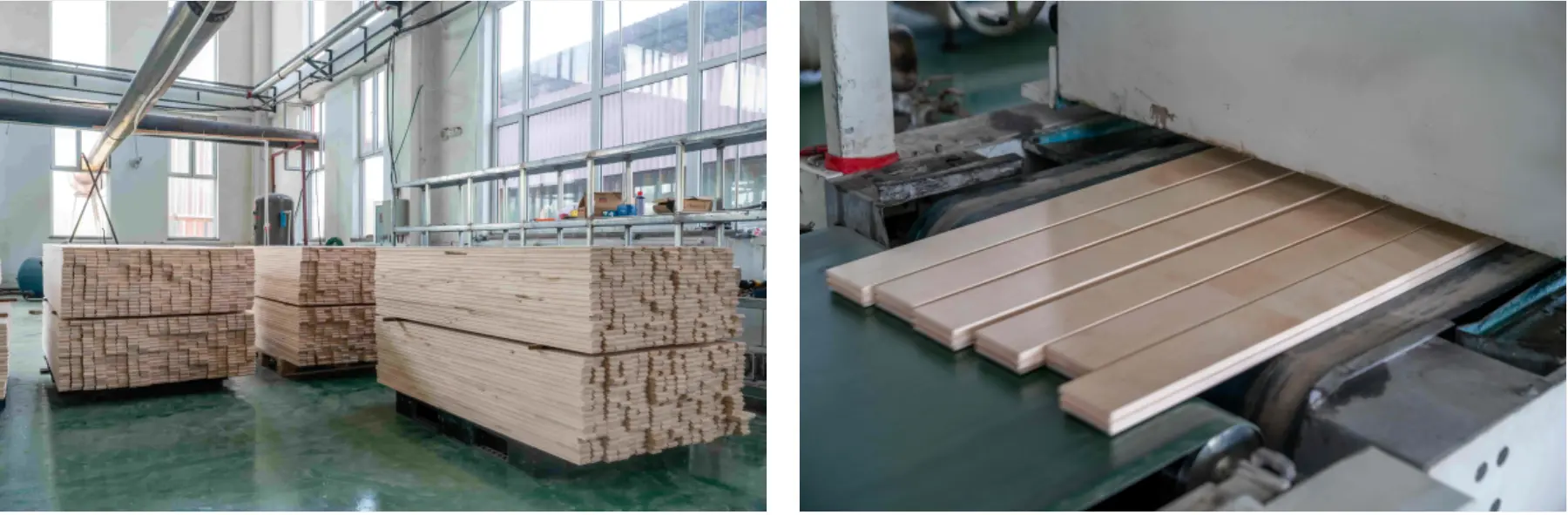
Procurement Guide: Sourcing and Cost Considerations for Antique Birch Flooring
Establishing Reliable Supply Chain Partnerships
A successful large-scale purchase of antique birch flooring starts with a source check that goes beyond just looking at prices. We suggest using verification of output capacity, certifications of quality management systems, and examples from similar-sized projects that have already been finished as factors for evaluation. At Fushun Plum Flooring Co., Ltd., our ISO certification shows that we have systematic process controls in place, and our CNAS accreditation proves that our testing center is technically competent.
Direct connections with manufacturers get rid of markups that happen in between, which can add 20 to 35 percent to the cost of a job. Our company has its own production lines that are equipped with German and Italian machinery. This lets us make custom orders at the same time without the lead-time delays that happen when traders arrange between multiple suppliers. We pass on the cost savings from this vertical integration to wholesale buyers and general contractors who are in charge of handling competitive bid situations.
Sample review is an important part of the buying process that should happen early on in the process of creating specifications. In ways that pictures can't, physical samples show how consistent the colors are, how the grains look, and how precisely the materials were milled. We have a strategy of sending samples within 72 hours of being asked for them, because we know that project timelines are often affected by the design review process, which involves many people.
Decoding Pricing Structures and Hidden Costs
Prices listed by the square meter usually only include the material and not the work for installation or the preparation of the base. To avoid funding gaps in the middle of a project, detailed budget planning should take these extra costs into account. Freight from the place where the materials are made to the job site can add 8–12% to the cost of the materials, based on the distance and the size of the order. Larger orders can benefit from economies of scale that aren't available for smaller orders.
Standard tongue-and-groove systems cost between $3 and $7 per square foot to install, but the cost varies by area in the United States. Because they take longer to cut and install, complex pattern plans like herringbone or parquet designs pay more for labor. How you prepare the substrate depends on what's already there. For example, concrete slabs may need moisture removal and leveling solutions, which cost an extra $2 to $4 per square foot. On the other hand, structurally sound wood subfloors don't need much preparation.
When you buy a certain amount, you can get discounts. Usually, the first deal is for 1,000 square meters, and the next ones are for 2,500 and 5,000 square meters. We set up these rewards to help general contractors manage projects with multiple venues or distributors set up inventory spots for sales territories across the country. For qualified business accounts, payment terms can be net-30 or net-60, which work with the schedules for building draws.
Quality Verification and Specification Compliance
Key factors that should be covered in technical specs are species identification, grade criteria, dimensional tolerances, moisture content ranges, and finish systems. Our quality control method includes checking every production lot with a moisture meter and sending paperwork with packages so that they can be inspected upon arrival. By setting clear acceptance criteria before installation starts, this openness protects both parties.
Milling specs have a direct effect on how well the job is installed and how it looks when it's done. Tongue-and-groove fit limits shouldn't be more than 0.015 inches so that the finish doesn't get sanded through while the spot is being prepared or too much force is needed during installation. Our 90-meter automated finishing line keeps the film thickness within ±5 microns, which makes sure that the sheen level is the same across big sites where lighting conditions might show differences.
For projects that need reclaimed visual qualities, metal recognition is needed to keep installation tools and workers safe. We use 100% screening procedures on all materials that come from buildings that have been taken apart, which guarantees that nails, screws, and ferrous pieces have been removed. Kiln cleaning at core temperatures of 133°F for thirty minutes gets rid of pests, especially powder-post beetles that sometimes live in birch trees with a lot of sapwood.
Conclusion
Choosing antique birch flooring for classic interior projects is a smart choice that balances the need for a realistic look with the need for good performance. The technical qualities of the material—its moderate hardness, dimensional stability, and excellent workability—make it suitable for harsh industrial settings while still providing the visual warmth that is important in traditional design languages.
Procurement professionals can find flooring solutions that fit their budgets without sacrificing the longevity that stakeholders expect by carefully choosing suppliers based on their manufacturing capabilities, quality certifications, and quick service models. We are still dedicated to helping people make these tough choices by being open and honest with them, providing clear technical information, and delivering high-quality products that turn one-time projects into long-term relationships.
FAQ
What makes birch suitable for high-traffic commercial applications?
Birch has a Janka hardness value of about 1470 lbf, which is higher than red oak's rate of 1290 lbf. This level of hardness makes it very difficult for moving loads and heavy foot traffic to damage the surface. The closed-grain structure keeps dirt out, which means that business settings don't have to do as much upkeep.
How does moisture content affect installation success?
To keep its shape after installation, wood flooring needs to be in balance with the area where it is being put down. Our manufacturing process keeps the moisture content stable between 6 and 9 percent, which is good for business buildings with temperature control. As part of the acclimation process, flooring packages must be kept in the installation room with the HVAC systems on for 5 to 7 days before the installation starts.
Can the flooring be refinished, and how many times?
Solid 22mm birch wood can be refinished five to seven times over the course of its useful life. Each cleaning step takes about 0.5mm of surface material by sanding, so even after several steps, there are still large thickness reserves. The antique look, with its grain patterns and natural color variations, stays even after refinishing because they are present throughout the whole length of the log.
What installation methods work best for classic interior projects?
For solid wood installs over wood subfloors, tongue-and-groove systems with hidden fastening are the norm. When fasteners are put at 45-degree angles through the tongues of the planks, they make links that can't be seen and allow for seasonal movement. To keep the seal from breaking, adhesives that are put down on top of concrete must be tested for wetness and emission rates must be less than 3 pounds per 1,000 square feet per 24 hours.
How does birch compare to exotic hardwoods for classic aesthetics?
Exotic species, like Brazilian cherry or tigerwood, are very hard, but their color tones and grain patterns don't always match up with traditional European or American classical design styles. Birch's soft cream-to-brown color range fits in with historical examples found in buildings from the 18th and 19th centuries.
Partner with Fushun Plum Flooring: Your Trusted Antique Birch Flooring Manufacturer
It takes more than competitive price to build long-lasting relationships with procurement partners. You also need consistent quality, quick contact, and expert help throughout the lifecycles of projects. Fushun Plum Flooring Co., Ltd. has provided flooring solutions for more than 1,000 finished sports and business venue projects in China. This has given them operating experience that can be directly applied to foreign purchasing needs. Our engineering team helps with specifications, installation, and support after the sale, so the work doesn't end when the property is sold.
You can talk to our sourcing experts about your unique project needs by emailing plumflooring123@163.com. We can work with wholesalers who want to make their own brand of products through OEM and ODM arrangements. We can also customize sizes, finishes, and packing for antique birch flooring. Because we keep a lot of raw materials on hand, we can meet tight delivery deadlines that are hard for competitors who use just-in-time supply chains.


References
1. National Wood Flooring Association. "Technical Standards for Solid Hardwood Flooring: Grading, Manufacturing, and Installation Protocols." NWFA Educational Publication Series, 2022.
2. Forest Products Laboratory, U.S. Department of Agriculture. "Wood Handbook: Mechanical Properties of Betula Species and Comparative Analysis with Common Commercial Hardwoods." Technical Report FPL-GTR-282, 2021.
3. American Society for Testing and Materials. "ASTM D4442 Standard Test Methods for Direct Moisture Content Measurement of Wood and Wood-Based Materials." ASTM International Standards, 2020.
4. Sustainable Forestry Initiative. "Chain of Custody Certification Standards for Responsibly Sourced Wood Products in Commercial Construction." SFI Program Documentation, 2023.
5. Building Research Establishment. "Fire Performance Classification of Wood Flooring Materials: European B1 Rating Criteria and Test Methodologies." BRE Technical Paper Series, 2021.
6. Leadership in Energy and Environmental Design. "Materials and Resources Credit Requirements for FSC-Certified and Rapidly Renewable Flooring Products." USGBC LEED v4.1 Reference Guide, 2022.
Get Price, Catalog, and Professional Flooring Solutions