- English
- French
- German
- Portuguese
- Spanish
- Russian
- Japanese
- Korean
- Arabic
- Greek
- German
- Turkish
- Italian
- Danish
- Romanian
- Indonesian
- Czech
- Afrikaans
- Swedish
- Polish
- Basque
- Catalan
- Esperanto
- Hindi
- Lao
- Albanian
- Amharic
- Armenian
- Azerbaijani
- Belarusian
- Bengali
- Bosnian
- Bulgarian
- Cebuano
- Chichewa
- Corsican
- Croatian
- Dutch
- Estonian
- Filipino
- Finnish
- Frisian
- Galician
- Georgian
- Gujarati
- Haitian
- Hausa
- Hawaiian
- Hebrew
- Hmong
- Hungarian
- Icelandic
- Igbo
- Javanese
- Kannada
- Kazakh
- Khmer
- Kurdish
- Kyrgyz
- Latin
- Latvian
- Lithuanian
- Luxembou..
- Macedonian
- Malagasy
- Malay
- Malayalam
- Maltese
- Maori
- Marathi
- Mongolian
- Burmese
- Nepali
- Norwegian
- Pashto
- Persian
- Punjabi
- Serbian
- Sesotho
- Sinhala
- Slovak
- Slovenian
- Somali
- Samoan
- Scots Gaelic
- Shona
- Sindhi
- Sundanese
- Swahili
- Tajik
- Tamil
- Telugu
- Thai
- Ukrainian
- Urdu
- Uzbek
- Vietnamese
- Welsh
- Xhosa
- Yiddish
- Yoruba
- Zulu
Oak Wooden Floors: Timeless Design Guide
Oak wooden floors are still the standard for quality in both business and home construction. They offer a unique blend of natural beauty and strength. This complete guide talks about the important strategic issues that B2B procurement workers need to think about when they are looking for high-performance flooring options. Understanding the technical details of oak flooring is important for making smart choices that lead to better project outcomes, whether you are choosing materials for sports venues, institutional spaces, or large-scale business projects. This guide covers the important aspects that affect longevity, cost-effectiveness, and aesthetic appeal in tough settings, from choosing the right materials to installation and long-term upkeep.

Understanding Oak Wooden Floors – Core Material Knowledge
To buy good flooring, you need to know what makes oak a great hardwood species in the first place. Our experience at Fushun Plum Flooring shows why builders and building managers always choose oak wooden floors for projects that need to look good and work well.
Botanical Origins and Material Properties
Oak is a species of tree in the genus Quercus. Chinese Oak is especially good for flooring because of its unique qualities. The species has a Janka hardness rating that puts it in the perfect middle ground between soft woods that are easy to dent and very hard woods that are hard to install. Chinese Oak is hard and heavy, and it can be machined well. It has a mild bending strength and stiffness. With this mix, you get a material that can handle a lot of foot traffic and still allow for the temperature expansion and contraction that comes with climate-controlled spaces. The wood's cellular structure has a modest amount of tannins, which helps it naturally fight decay without needing a lot of chemical treatments. Due to these biological traits, oak is perfect for places like sports centers, schools, and businesses where longevity and health and safety standards are important.
Solid Versus Engineered Oak Construction
Material format is an important specification choice for buying workers who have to handle a wide range of project needs. Because solid oak planks are made from a single piece throughout their thickness, they can be refinished many times over the course of their long life. This feature is especially useful in sports places that need to be resurfaced on a regular basis to keep up with performance standards. At Fushun Plum Flooring, all of our solid oak goods are the same 18mm thickness, which makes them stable for high-impact uses. With length options from 300mm to 900mm and width choices of 57.2mm, 90mm, 120mm, and 150mm, the design can be flexible enough to fit a range of installation styles.
Engineered oak design puts a real hardwood wear surface on top of a stable core, which is usually made of plywood or high-density fiberboard. This composite structure reduces movement caused by moisture, which makes engineering forms ideal for use over radiant heating systems or in places where humidity changes a lot from season to season. Compared to solid construction, the wear layer makes it harder to refinish. However, manufactured goods often show better dimensional stability in harsh environments. When deciding on the best building type, procurement requirements should look at things that are unique to the project, like the state of the subfloor, environmental controls, planned upkeep schedules, and the total cost of ownership.
Grain Patterns and Color Spectrum
Because oak has a unique grain, works made from it stand out from those made from fake materials or less noticeable wood species. Oak's prominent medullary rays give it a unique flecked look that is especially clear in quartersawn boards. Because of this natural difference, no two planks will look exactly the same. This gives the wood an organic look that is hard for fake materials to match. At Fushun Plum Flooring, we have many color choices, such as Tawny, Gray, and Brown. These colors are made possible by using different finishing methods that bring out the natural beauty of the wood instead of hiding it.
Surface techniques add to the variety of ways things can look and also serve a practical purpose. Brushed finishes bring out the grain structure and add a little slip resistance that is good for sports uses. Smooth surfaces show off the natural beauty of the wood and make upkeep easier in public places. Hand-scraped finishes add an artisanal touch that works well in store and restaurant settings that want to create a unique atmosphere. Oak flooring can go with both traditional and modern design styles because it can be stained and given different finishes. This makes it suitable for a wide range of customers in different market groups.
Sustainability and Environmental Certifications
As companies try to meet sustainability goals and meet customer standards, environmental responsibility plays a bigger role in their buying choices. Responsible forestry management is a big part of how we get our products, which come straight from established supply lines in China. Being close to factories cuts down on pollution caused by traffic and makes sure that materials are always of good quality thanks to established source relationships. Our factories make the least amount of trash possible by using the best cutting designs and making good use of byproducts.
Independent checks on product certifications make sure that environmental claims are true. Our E1 approval shows that formaldehyde emissions are in line with strict European standards. This addresses indoor air quality issues that are very important in healthcare and school settings. The B1 flame spread grade shows that the fire safety rules required by many business building codes are being followed. Certifications from ISO, IAF, and CNAS show that quality is managed consistently throughout the production process. This gives buying pros proof that the manufacturing process is consistent. These certificates lower the risk of not meeting specifications and make it easier to follow rules in the many different countries that have regulations that affect foreign markets.
How to Choose the Best Oak Wooden Floor for Your Project?
To choose the right oak wooden floor specifications, you need to carefully look at the performance needs of the project, your budget, and how the flooring will work in the long run. This part gives you an organized way to make decisions about the important things that affect the results of the purchase.
Evaluating Project-Specific Performance Requirements
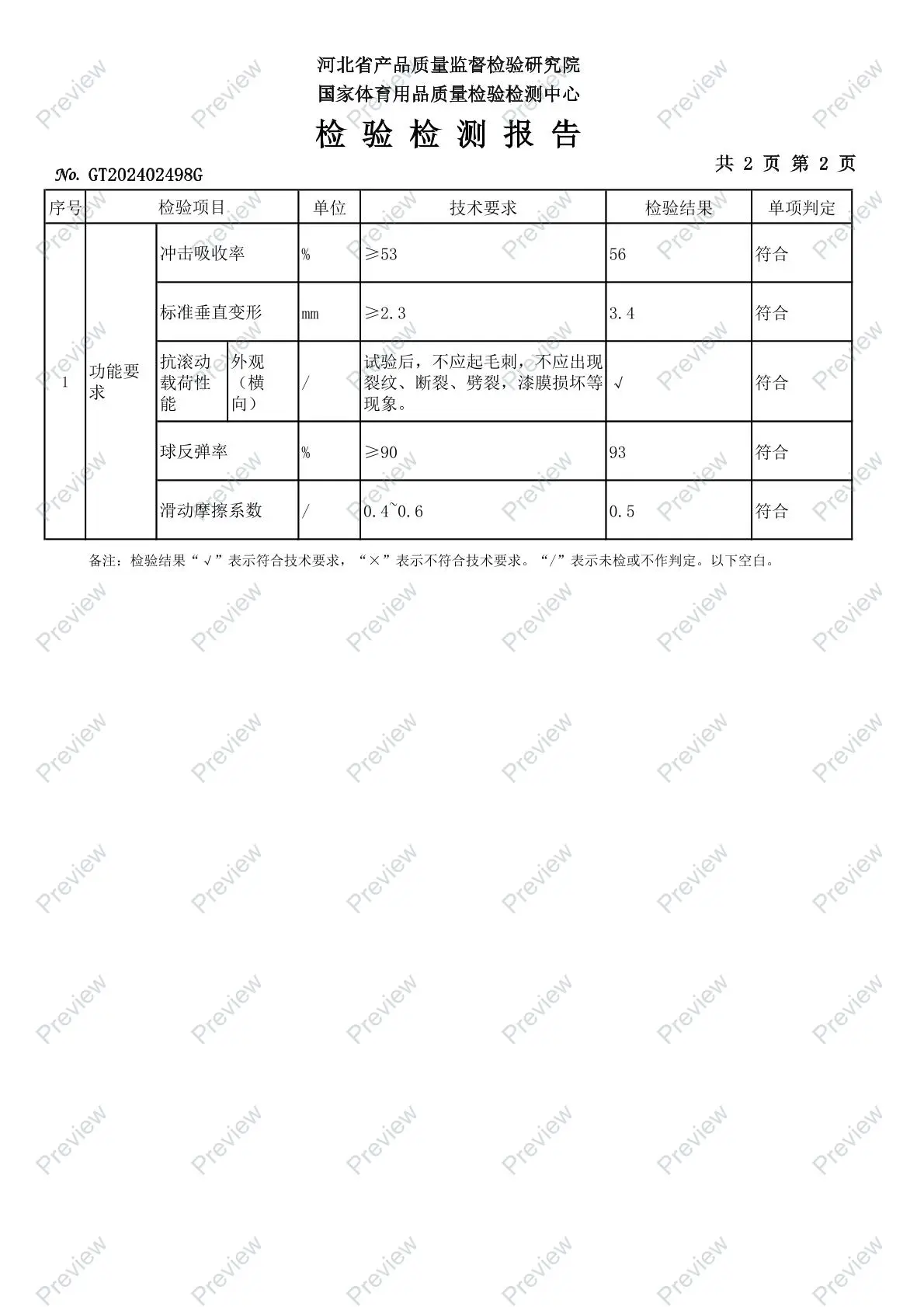
Different uses put different demands on flooring systems, so material specs need to be customized. Specific performance traits, such as shock absorption, surface friction coefficients, and ball rebound qualities, are needed for sports sites. To meet these requirements, solid hardwood sports flooring usually has special base systems built in. However, the top material makes a big difference in how safe and well athletes can perform. Oak's mild hardness gives the surface the right amount of strength, and its dimensional stability keeps the game conditions the same as the seasons change.
Comparing Material Alternatives and Cost Implications
To make smart purchasing choices, you need to be able to objectively compare different materials that have different performance and cost factors. Although maple flooring has higher strength ratings, which can be useful in certain sports settings, it usually costs more and moves more considerably with the seasons. Laminate products have lower starting costs, but they can't be refinished and don't have a real look, which makes them less appealing in situations where design quality affects the end-user experience or the value of the property.
Bamboo is good for the environment because it grows back quickly, but the quality varies based on how it is made and which species is used. Imported bamboo goods need to be carefully checked for quality to make sure they are as stable and strong as well-known hardwood species. Because bamboo supply lines are still pretty new, there is some risk involved in buying bamboo that isn't present in well-established oak markets.
Lifecycle cost analysis gives a more full picture of the money picture than just looking at the price of the materials at the start. Oak's ability to restore spreads the cost of purchase over longer service periods, possibly decades in well-kept installs. Compared to some options, it doesn't need as much maintenance. Regular cleaning and re-coating keep the surface looking good and protect it from damage. These operational factors have a big effect on the total cost of ownership numbers, which often favor hardwood standards even though they cost more at first.
Supplier Selection and Partnership Criteria
The production source has a big impact on the quality of the product, how reliably it is delivered, and how well it is supported after the sale. These are all factors that affect the overall success of the project, not just the material specs. When you deal directly with a maker, you avoid having to pay markups to middlemen and can easily talk about product specs and customization needs. At Fushun Plum Flooring, we offer cost savings to both wholesale and OEM partners because our operations are fully merged, from buying raw materials to delivering finished products. Large stock supplies allow for quick order completion, which is very important for projects with tight deadlines or phased building sequences.
Manufacturing skills determine the level of customization that separates generic purchases from unique solutions that meet the needs of a particular project. Our building has both German and Italian production lines, which let us make things to different standards at the same time. Custom widths, lengths, and finish specs can be made with this capacity, and there are no minimum order amounts that make many projects impossible. The 90-meter automatic finishing line makes sure that the coating is applied consistently and cures in a way that can't be done effectively by hand.
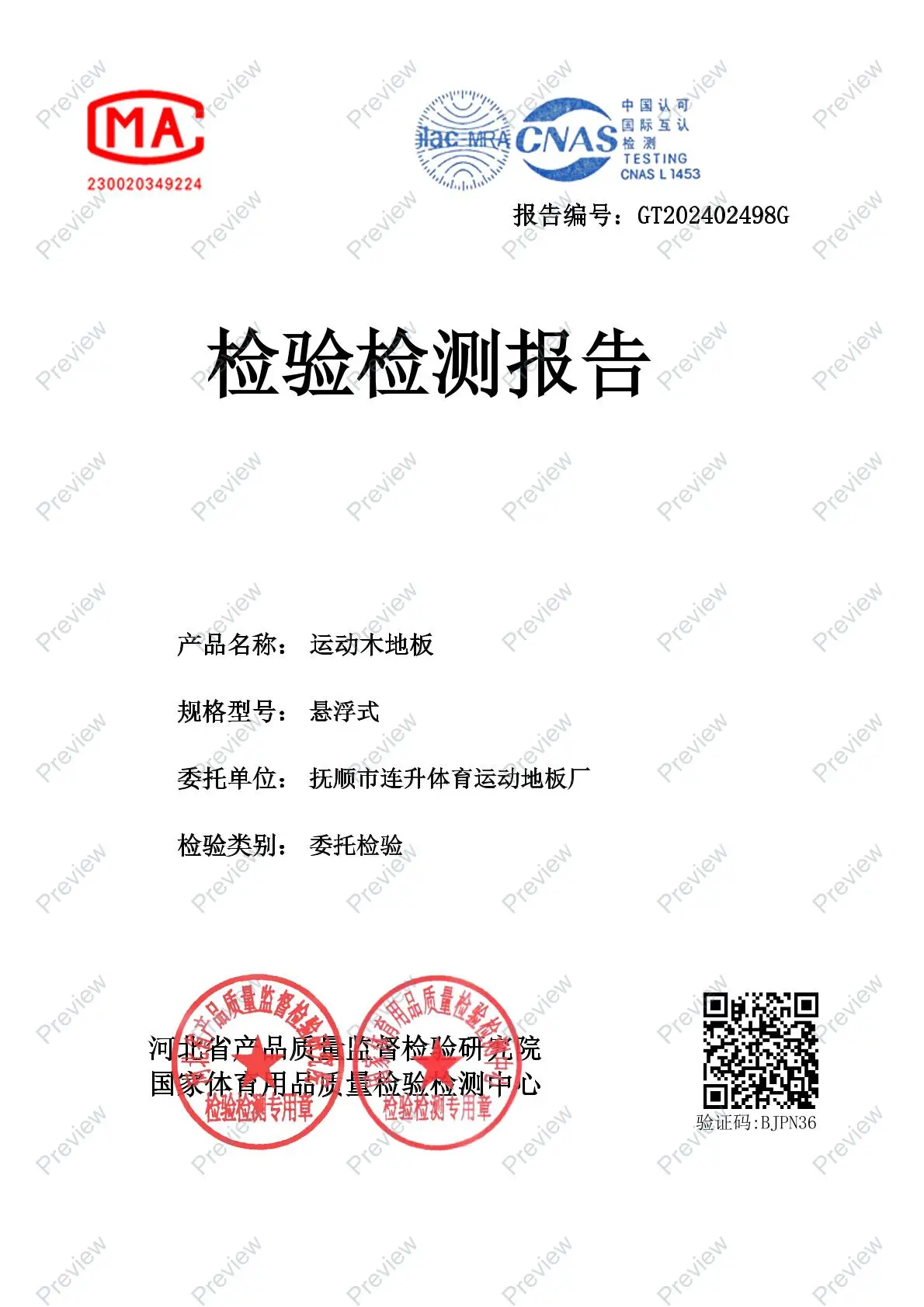
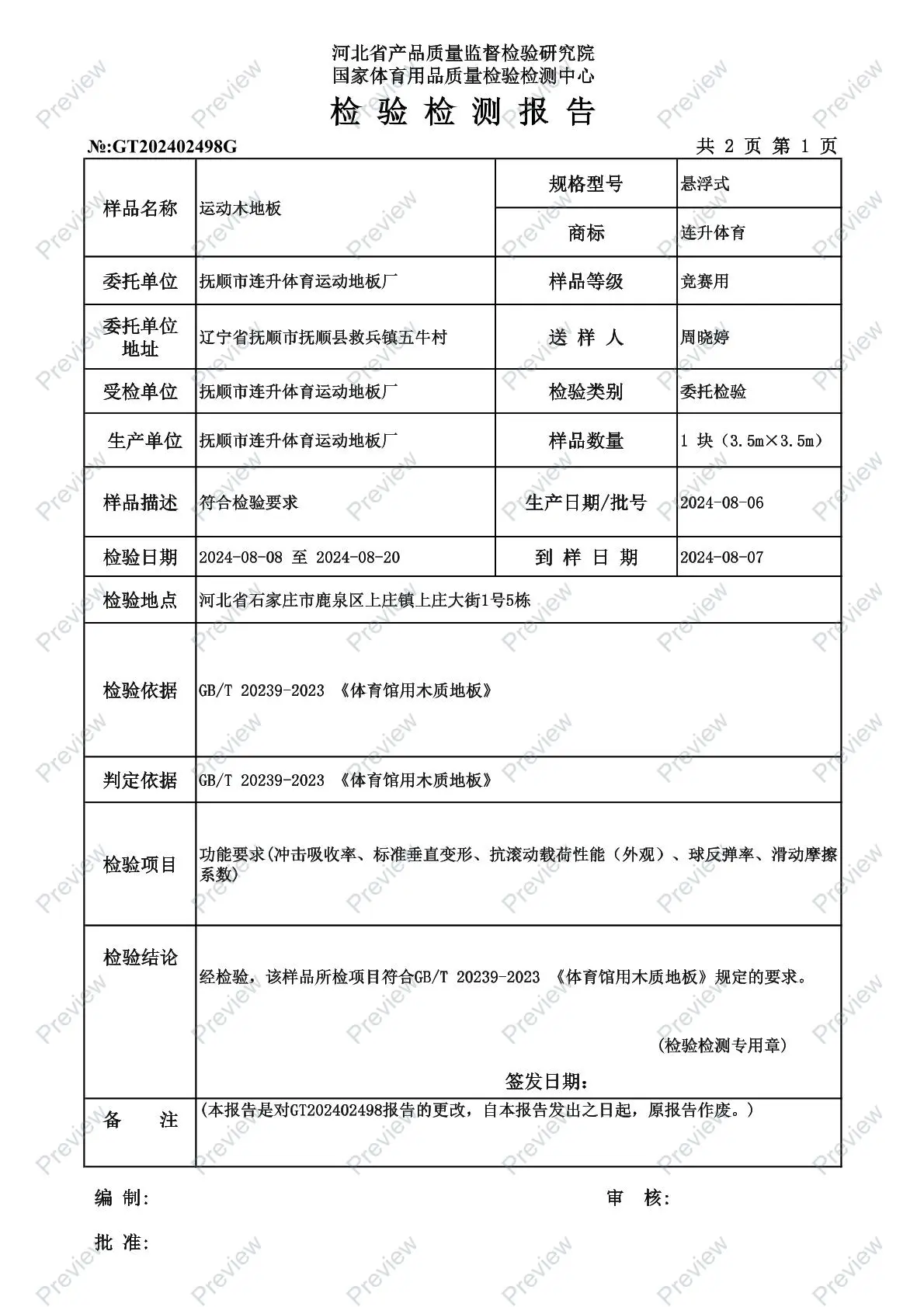
Certification paperwork is concrete proof of the quality of the product and compliance with regulations. In addition to basic product certifications, we also offer specialized test reports that cover things like evaluating the performance of sports floors, the characteristics of combustion, and the specs of component materials. These reports meet the strict purchasing needs of educational and business projects. These qualifications speed up the approval process for specifications and make contractors and project managers less worried about their responsibility when it comes to material performance. Working with a recognized maker cuts down on the paperwork that needs to be done and guarantees quality throughout the whole buying process.
Installation and Maintenance Best Practices
Correct construction methods and regular upkeep schedules have a big effect on how well the oak wooden floor works and how long it lasts, which translates material quality into long-term project success. This part talks about real implementation issues that are important for getting the most out of your flooring investment.
Pre-Installation Site Preparation
For installations to go well, the place must first be carefully examined and prepared, taking into account the surroundings and the material being used. Testing the moisture level of concrete subfloors finds problems that could weaken glue bonds or cause future physical instability. Different types of products and installation methods can handle different amounts of dampness. Generally, engineered designs can handle higher substrate moisture than solid wood installs. Our technical standards give exact moisture levels that make sure the base conditions and material properties are compatible.
Material adaptation is an important but often skipped step that keeps problems from happening after installation. Getting flooring materials to the installation spot a few days ahead of time lets the wood's moisture content adjust to the surrounding conditions. This time of getting used to the new environment is especially important when goods are kept in climate-controlled warehouses before being put in buildings with different humidity and temperature levels. Proper adaptation reduces the amount of expansion or contraction that happens after installation, which can cause gaps, cupping, or other problems with the dimensions.
How flat the subfloor is has a direct effect on how well it was installed and how well it works in the long run. Even small differences create holes under the floor planks, which makes hollow sounds when you walk on them and builds up stress that causes them to break early. Professional installation teams use straightedges or laser levels to check the flatness of the surface and fix any problems by cutting down high spots or filling in low spots with the right leveling materials. These steps before installation are much more cost-effective than fixing problems afterward.
Installation Methodology and Technical Considerations
Different types of subfloors, project needs, and budgets can all be met by using different construction methods. With nail-down installation, solid wood flooring is directly attached to wood subfloors through the tongues of the planks. This creates a physically secure connection that lets you change individual planks if repairs are needed in the future. This old-fashioned way works well for business and sports sites where permanent installation is worth the work. When you use a nail gun and space your fasteners correctly, you can protect the surface and make sure that the nails hold strongly across the whole floor.
Glue-down placement uses elastomeric glue that stay flexible while making strong links to stick flooring directly to substrates. This method works with concrete subfloors that are popular in business buildings and makes installations that are stable enough for wheeled traffic in places like stores and schools. Adhesive choice depends on the substrate's pores, the loads that are expected, and the climate, which may include moisture exposure. In our installation instructions, we list adhesive methods that have been proven to work with the dimensions of our goods.
Floating installation attaches planks to each other automatically, without attaching them to the surfaces below. This method makes installation easier and can work with slightly uneven subfloors because the flooring system can fill in small gaps. Most of the time, floating floors work best in light business and domestic settings with reasonable loads and limited installation costs. When putting over radiant heat systems, this method has clear benefits because it lets the floor expand and contract without the stress concentration that happens with bonded installs.
Long-Term Maintenance and Preservation Strategies
How the floor is maintained has a big effect on how long it looks good and how well it works over its whole life. Cleaning regularly gets rid of rough particles that speed up wear. pH-neutral cleaners protect the finish's integrity without leaving behind leftovers that make surfaces slippery or attract dirt. Microfiber mops are better than standard string mops because they pick up dirt bits and don't spread them around. In industrial settings, automatic scrubbers keep large areas of flooring clean while controlling the amount of wetness that can get into wood if it's applied too much.
Preventative steps keep floors from getting damaged in the first place. Entry matting systems catch dirt and water that people track in before they reach the wood surfaces. Loads that would otherwise leave marks are spread out by furniture glides and equipment runners. Controlling the climate and keeping the relative humidity between 35 and 55% stops yearly wood movement that causes gaps or cupping as little as possible. Taking these preventative steps costs a lot less than fixing or repainting things that got damaged in the first place.
Periodic recoating brings back the look of the surface and protects it before the wood underneath is damaged by wear or water. This care is especially helpful in places like businesses that get a lot of foot traffic. Professional evaluations decide how often to recoat based on the state of the finish and how much traffic the area gets. Cleaning, light scratching to help the finish stick, and application of finish coats that work well together are all parts of the process. When done right, recoating floors makes them last much longer and keeps them looking professional, which is good for building management.
Oak Wooden Floor Market and Procurement Insights
To do strategic buying, you need to know how the oak wooden floor market is changing right now, as well as the best ways to find products and work with others to get the best deals without sacrificing quality or dependability.
Global Market Trends and Pricing Considerations
The markets for oak flooring are like the building industry as a whole. Demand is affected by business growth, institutional budgets, and renovation investments. In the past few years, natural materials have become more popular as options to manufactured ones. This is partly because of efforts to be more environmentally friendly and partly because people want real materials. This trend is good for oak sellers who can show proof of their environmental and quality standards. Prices vary a lot depending on the grade, its measurements, and the complexity of its finish. Premium grades usually cost a lot more than basic options. Our direct production model saves you money, which is especially helpful for trade and OEM customers whose projects require a lot of products to be shipped in containers. Working directly with well-known providers cuts out the middleman and guarantees regular quality and adherence to specifications. Our large collection of raw materials protects partners from supply problems that sometimes happen with common building materials. This makes it possible to plan ahead, which is very important for coordinating projects.

Sourcing Channels Optimized for B2B Procurement
Direct manufacturer links get rid of the costs and problems that come with traditional distribution methods. For small jobs that need materials right away and in small amounts, buying through store distributors makes sense. But business projects gain a lot from direct sourcing, which cuts costs and lets you customize the specifications. At Fushun Plum Flooring, we've set up our business to serve builders, site managers, and importers who want to work with us in a reliable way instead of just buying things.
OEM and ODM features help partners who sell flooring under their own names or who need specifics that aren't met by standard product lines. Because we are flexible in how we make things, we can handle unique widths, lengths, colors, and packaging that help brands stand out in markets that are very competitive. The minimum order quantities are still acceptable compared to the capacities of the containers. This means that partners who are starting new product lines or trying how the market reacts to them can still make customizations.
Technical support includes more than just supplying products; it also includes helping with fitting and meeting specifications. We've finished more than 1,000 sports venue projects in China, which gives us useful experience that we share with foreign partners who are working on similar projects. This consultative method helps partners stay away from design mistakes and installation issues that hurt the end result of the project and hurt their relationships with customers. Most of the time, this knowledge is worth more than the direct cost savings it brings, especially for businesses that are entering new markets or areas.
Logistics and Installation Support Services
International purchasing adds more challenges to logistics, like coordinating shipping, filling out customs forms, and figuring out when to send goods. Our experience exporting to markets in the US, UK, and Canada has helped us improve our operations so that delays and paperwork problems are kept to a minimum. We plan the filling of containers so that they are as efficient as possible while also keeping the goods safe during transport. Because we know what the target market needs, we can speed up customs clearance, which keeps building schedules on track.
For partners who need complete solutions, we offer full installation services that include assessing the site, choosing the right materials, professional installation, and help after the installation is complete. This all-around method works especially well for foreign jobs where local contractors don't have the right skills for installing hardwood sports floors. Our construction teams have the specialized knowledge to make sure that the quality of the materials leads to proper performance. Having a single point of responsibility makes project management easier and cuts down on pointing fingers when problems happen.
Systematic tests and paperwork are used to make sure quality throughout the whole supply chain. Each production run is tested to make sure the dimensions are correct, the amount of moisture is correct, and the finish quality is good. Shipments come with certification paperwork that serves as proof that they were received and keeps lasting records of quality. This paperwork is necessary for projects that need approved material compliance, and it leaves paper tracks that protect everyone in case questions come up during or after installation.

Conclusion
When it comes to structural performance, aesthetic versatility, and lifetime economy, oak wooden floor systems are a smart investment that pays off over time. Procurement experts who know a lot about the properties of materials, what suppliers can do, and the best ways to put them set up their projects for success. This guide gives you a decision framework that lets you objectively weigh your options while pointing out the key differences between market deals and strategic partnerships. As markets value ecology, real materials, and long-lasting performance more, oak wooden floors continue to show their usefulness in a wide range of settings. To make sure the project goes well, it's important to choose specs that match the needs of the project and work with manufacturers that offer more than just goods. These manufacturers should be able to help with everything from specifying the project to installing it and keeping it running.
FAQ
What distinguishes solid oak flooring from engineered oak construction in commercial applications?
Solid oak is usually 18mm thick and is made of a single piece. This means that it can be refinished many times over the course of decades of use. This type of building works well in places with a lot of foot traffic, like businesses and sports fields, where the surface needs to be resurfaced every so often to keep it looking good. Engineered oak has a real oak wear layer bound to a core that doesn't change shape easily. This makes it more resistant to movement caused by moisture. This style works well when installed over radiant heating or in places where the air changes a lot. There isn't a single format that is always better; the choice relies on the surroundings, the expected ease of upkeep, and the total lifecycle.
What makes Chinese Oak from Fushun Plum Flooring different from oak types found in North America?
Chinese Oak is about as hard and resistant to wear as North American Red Oak, but it is cheaper because the raw materials and production costs are lower. The species is easy to work with and has a middling breaking strength, making it good for both home and business use. Our fully integrated manufacturing and direct purchasing relationships allow us to take advantage of geographic benefits to offer reasonable prices without lowering the quality of our products. Our goods meet international quality and environmental standards thanks to a wide range of approvals, such as ISO, E1, and B1 grades.
What maintenance intervals should commercial facilities expect for oak flooring?
Routine care, like dust mopping every day and damp cleaning every so often, keeps things looking good with little work. Professional recoating should be done every three to five years in high-traffic business areas, but the exact time frame depends on how much traffic there is and how well the floors are maintained. Because of performance standards, sports sites need to be checked more often. Screening and recoating the surface stops wear before it changes how the game is played. If you take care of your oak floors, they can last 30 to 50 years before they need to be replaced, which is a lot longer than the lifecycle of fake floors.
Which environmental certifications should procurement professionals prioritize?
The E1 certification makes sure that the amounts of formaldehyde emissions meet European standards, which are very important for the cleanliness of the air inside schools and hospitals. Many business building codes require that B1 flame spread scores show that fire safety rules are being followed. Chain-of-custody approval from FSC or PEFC shows that sustainable forestry methods were used. Green building standards are requiring this more and more. ISO standards prove that quality management is used consistently throughout the production process. At Fushun Plum Flooring, our many standards, such as ISO, IAF, CNAS, B1, and E1, show that we can meet the needs of a wide range of buyers in foreign markets.
Partner with a Trusted Oak Wooden Floor Manufacturer
Selecting the right flooring partner fundamentally influences project outcomes beyond material specifications alone. At Fushun Plum Flooring Co., Ltd., our comprehensive manufacturing capabilities, extensive project experience, and customer-focused approach provide distinct advantages for procurement professionals seeking reliable suppliers. Our direct manufacturing model delivers competitive pricing on oak wooden floors without compromising the quality standards documented through ISO, IAF, CNAS, B1, and E1 certifications.
With substantial inventory maintained continuously and flexible customization through OEM/ODM services, we accommodate diverse project requirements and compressed timelines. Connect with our team at plumflooring123@163.com to discuss your specific requirements, request samples, or explore wholesale pricing structures.
 |
 |
 |
 |
 |
 |
 |
References
1. Anderson, M. (2021). Hardwood Flooring: Installation and Restoration Techniques. Timber Press Professional Series.
2. Chen, L., & Wang, H. (2020). "Comparative Analysis of Oak Species in Commercial Flooring Applications." Journal of Wood Science and Technology, 45(3), 287-304.
3. National Wood Flooring Association. (2022). NWFA Installation Guidelines for Commercial Wood Flooring. St. Louis: NWFA Publications.
4. Roberts, K. (2019). Sustainable Timber Procurement: A Guide for Construction Professionals. Building Industry Publishers.
5. Thompson, J., & Martinez, R. (2023). "Lifecycle Cost Analysis of Commercial Flooring Materials." Facilities Management Quarterly, 18(2), 112-129.
6. Zhang, Y. (2020). Modern Wood Finishing Technology: Methods and Applications. International Forestry Institute Press.
Get Price, Catalog, and Professional Flooring Solutions