- English
- French
- German
- Portuguese
- Spanish
- Russian
- Japanese
- Korean
- Arabic
- Greek
- German
- Turkish
- Italian
- Danish
- Romanian
- Indonesian
- Czech
- Afrikaans
- Swedish
- Polish
- Basque
- Catalan
- Esperanto
- Hindi
- Lao
- Albanian
- Amharic
- Armenian
- Azerbaijani
- Belarusian
- Bengali
- Bosnian
- Bulgarian
- Cebuano
- Chichewa
- Corsican
- Croatian
- Dutch
- Estonian
- Filipino
- Finnish
- Frisian
- Galician
- Georgian
- Gujarati
- Haitian
- Hausa
- Hawaiian
- Hebrew
- Hmong
- Hungarian
- Icelandic
- Igbo
- Javanese
- Kannada
- Kazakh
- Khmer
- Kurdish
- Kyrgyz
- Latin
- Latvian
- Lithuanian
- Luxembou..
- Macedonian
- Malagasy
- Malay
- Malayalam
- Maltese
- Maori
- Marathi
- Mongolian
- Burmese
- Nepali
- Norwegian
- Pashto
- Persian
- Punjabi
- Serbian
- Sesotho
- Sinhala
- Slovak
- Slovenian
- Somali
- Samoan
- Scots Gaelic
- Shona
- Sindhi
- Sundanese
- Swahili
- Tajik
- Tamil
- Telugu
- Thai
- Ukrainian
- Urdu
- Uzbek
- Vietnamese
- Welsh
- Xhosa
- Yiddish
- Yoruba
- Zulu
Light vs. Dark Natural Oak: Styling Tips for Small Rooms
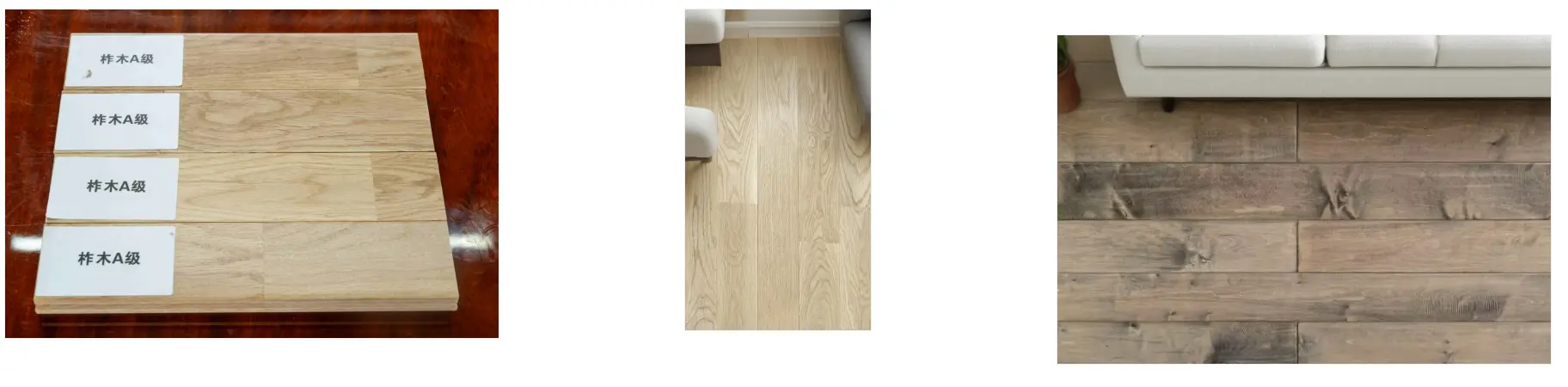
You can choose between light and dark natural oak flooring for your small business or private space. The difference between the two will affect how big the room looks and how well it works. If you have small steps, you might feel squished, but light-colored wood planks reflect light from the room, giving you a wider view. Darker types of oak, on the other hand, add depth and style difference, making rooms that are cozy and great for certain design goals. This choice affects more than just how things look; it also changes right away how things are bought, how they are maintained, and how happy people are with the project overall over time. Specifiers, contractors, and facility managers can come up with better solutions that meet realistic needs and make the area better for the people who live or work there when they know how color temperature changes building limits. Good oak lumber naturally lasts a long time and has standard grain patterns that can be used in both choices. This means that both options are good buys as long as they fit the room and project goals.
Understanding Natural Oak Flooring for Small Spaces
People often choose natural oak flooring for home and business improvement projects because it looks warm and is built to last. One thousand pounds is about how hard white oak is, and one thousand two hundred pounds is about how hard red oak is. This means that heavy furniture and foot traffic won't dent the wood easily. This is important for places like school gyms, dance studios, and community rooms that are used for lots of different things. These hardwood floors come in two main types: solid planks, which are made from single pieces of wood, and built choices, which have a wear layer made of real oak glued to cores made of stable plywood. If you live near a coast or other place where the weather changes often, the planned choice works best because it doesn't have the hygroscopic traits that can make solid wood expand or contract.
Colors people pick have a big impact on how they think about how big a room is. Lamps work better in places with lighter oak finishes, like blonde to honey-colored oak. That's because lighter finishes bounce light around more, which makes the space look bigger. In basement gyms, meeting rooms inside buildings, or small classes that don't get a lot of natural light, this effect is very helpful. Researchers in the field of environmental psychology have found that lighter floor tones make people feel less crowded and more at ease in small areas.
Oak that has been painted or finished with oil that brings out the natural tannins in the wood makes rooms feel warmer and heavier. When designers want to make cozy places in open floor plans or want to pair them with exposed brick, industrial fixtures, or traditional woodwork, these finishes are great. The depth of the tones hides minor surface wear well, which is helpful in business areas with a lot of foot traffic or training rooms with a lot of equipment. When buying professionals know about these basic color dynamics, they can make sure that the flooring specifications meet the needs of business and institutional clients in terms of both style and functionality.
Solid Versus Engineered Oak Constructions
Real natural oak flooring is made from only oak wood and comes in 18 mm thick planks. Their lengths range from 300 mm to 900 mm and their widths from 57.2 mm to 150 mm. It can be repaired more than once over the course of its life because of how it was made. If you take good care of it, it can last fifty years or more. The material isn't very strong or flexible, so it can be put down at ground level on top of concrete subfloors that have the right moisture barriers in place.
Engineered oak flooring, which is made up of layers, can help people who are worried about how stable the floor is. Bases made of cross-laminated plywood or high-density fiberboard are glued to an oak wear layer that is 3 to 6 mm thick. Because of this setup, there isn't much movement during the seasons, so it can be used with solar heating systems and in buildings with setups on higher floors. It's also easier to ship lighter materials, and big orders may cost less to ship, which is helpful for engineering workers who are in charge of project funds. You can tell the difference between real hardwood and fake laminate because of the real grain patterns and soft feel of the wood.
Color Psychology in Commercial Applications
In modern schools, health centers, and business buildings, simple modern design ideas are becoming more popular. Light oak finishes look good with these styles. With its bright and balanced color scheme, the background can be used with a range of furniture styles without having to change the floors. This versatility makes the product useful for a longer time, through the leases of different businesses, which saves the building owner money.
Law firms, private schools, and hotels that want to show history and security value installations made of dark wood because they look more stable and have been used for a long time. It looks stable when you use chocolate and espresso tones in interior design because they stand out against lighter wall covers and furniture. If you use this method in a room with low ceilings or a small area, you need to make sure that the pieces you choose fit perfectly.
Advantages and Challenges of Light and Dark Natural Oak Flooring
Both light and dark natural oak flooring are good for small business projects, but they look and work better in different ways. Each has its own set of problems that can be solved. Once you know about these trade-offs, you can choose designs that do what the client wants and what the business can afford.
An albedo is a measure of how reflective a surface is. Light oak wood makes a room feel bigger than it is. Reflections on the walls of a dance school make both natural and artificial light brighter. This means there is less need for extra lights, which saves money on energy costs. Because the color temperature is neutral, it looks good in rooms with a Scandinavian or seaside style as well as rooms with a Japanese simple style that is becoming more popular in schools and fitness classes today. There are times when lighter tones are better for upkeep because dust and lint are easier to see on lighter finishes. For things to look professional, this means that they need to be cleaned less often.
Most of the time, light wood is bad because the shine wears off over time. Ultraviolet light slowly changes the color of wood by making the lignin content darker. This is why places with furniture and places that get direct sunlight look different. As buildings age naturally, some designers think it adds character. However, if they want to keep the building's look, they need to be careful where they put furniture and cover windows with UV-blocking materials. Protected mats should be put down in high-traffic areas near where people store their gear or enter and leave. This is because light scratches may stand out more against light backgrounds.
Dark wood flooring adds style and warmth, which is especially welcome in traditional school settings, historic rebuilding projects, and places that value maintaining a classic look. The darker tones hide small scratches, scuff marks from sports shoes, and the micro-scratches that are sure to happen in areas that get a lot of use. This means that between refinishing rounds, less wear is seen. Because this effect hides things, maintenance work can be put off for longer. This lowers the general cost of running places like gyms and meeting rooms that are used a lot every day.
Dark wood in small places can make things look smaller, which is not a good thing. Floors that are deeply stained may soak up light instead of returning it if there isn't enough natural light or smart lighting. It's important for how well it works that this doesn't make a small room feel too open. Designers need to use warmer wall colors, make sure there is more natural light, and pay close attention to how big and open the furniture is to make up for it. Dark finishes make surface dust, pet hair (in homes), and mineral deposits from cleaning products stand out more. This means that dark floors need to be dry-swept or mopped with microfiber more often to keep them looking clean. This can put a strain on the budgets of business building maintenance workers.
Practical Solutions for Common Challenges
Manufacturers need to come up with finishes that are resistant to UV light so that light wood doesn't get the sheen. Today's topcoats, which are made of aluminum oxide or polyurethane with ceramics mixed in, slow down photo-oxidation a lot and keep the color the same for a long time. The surface is also harder thanks to these high-tech finish systems. This makes it less likely to get scratched without taking away from the natural look that people expect from real wooden installations.
Use of integrated lighting design is the best way to take care of dark oak trees in small areas. To keep the room from feeling too small, choose warm-toned LED lighting with color temperatures around 3000K. This will go well with the amber undertones of the floor. When you lay flooring along the longest axis of a room, you create straight lines of sight that make the room look deeper. This makes darker colors look less heavy. To keep a room feeling airy, add light-reflective ceiling treatments and place mirrors or glass walls in smart ways. Dark floors can make a room feel smaller.
Material Performance Across Applications
It's easy to work with Chinese oak that comes from forests that are managed in a way that doesn't hurt the environment. With tongue-and-groove joints, it can be put together exactly. The surface is smooth and can be wire-brushed or scraped by hand. They make it less likely for people to slip, which is an important safety feature for sports floors. They also make installations look more interesting, which puts elite choices apart from basic ones. Because it is rigid and doesn't bend too much, the wood is strong enough to hold normal industrial loads without breaking like heavier foreign species do.
When you treat the outside of something, it changes how it looks and how well it works. UV oil finishes get into the wood fibers and bring out the natural grain patterns while keeping the modern, low-sheen look that people like. These ends need to be put on again and again, but you can fix them in certain places instead of doing the whole floor again. Laquered surfaces are better at keeping water away and are easier to clean (just use a wet mop). This makes them good for transition areas near building doors where water can track. When oak is treated with natural oils, its natural beauty comes out. The oils gradually change the colors of the oak while adding a warmth that works well in business spaces that look like homes, like boutique gyms or executive training rooms.
Styling and Installation Tips for Light and Dark Natural Oak in Small Rooms
To get the best performance and looks from natural oak flooring in small rooms, you need to pay close attention to both the way the room is decorated and how the floor is installed. You can change these things to change how open the room looks, how quiet it is, and how long the floor lasts.
Light oak floors look their best with cool-neutral wall colors like soft grays, pale blues, and bright whites. The light from the floor bounces off of these colors, making the room look bigger. Visual breaks are kept to a minimum by using only one color. This makes the room look like a single volume instead of a bunch of different planes. When you're shopping for furniture, look for pieces with straight lines and legs that you can see. This will make the space below the furniture look bigger. Light wood with glass tops, plastic seats, and metal features that don't block the view give the room a modern look.
The light wood color goes well with coastal and Scandinavian styles. It's important for these styles to have clean, uncluttered areas, natural materials, and organic shapes. The floor can be used as a relaxed base. This mix can be used by places like yoga studios and health centers to make calm areas where people can work well. In the same way, clean, bright buildings are good for schools because they help students concentrate and reduce visual overload in classrooms and shared areas.
It's important to pick things that go well with dark oak floors so the room doesn't feel too crowded. We need lighter wall covers. Colors like cream, brown, and soft taupe make a difference while still keeping the warmth that comes with oak's natural look. If you cover the furniture in neutral fabrics, the floor can be the design's main focus without having to fight for attention. By adding brushed brass or oil-rubbed bronze features to dark oak furniture in a smart way, you can make it look even more expensive. The shiny surfaces spread light around the room. Lighter-colored area rugs can break up big areas of dark flooring, making useful places in open floor plans and adding a different feel.
There are classic, country, and industrial styles that all look great with dark wood installations. When fixing up an old building that has visible wood framing or original stonework, dark-stained oak flooring that looks like it was made in that era is a great way to keep the building's authenticity. It's good for industrial loft makeovers to use dark wood because it can soften rough concrete and steel while still keeping the style's edge. All of these types of uses can be found in adaptive-reuse projects that turn buildings into community centers, small workout centers, and craft breweries with event spaces.
Installation Techniques Affecting Spatial Perception
When people are in the plank position, they think about how big a room is. When you lay the flooring along the longest wall, you get straight lines that make depth stand out. This makes small rooms look more balanced. This method works really well in hallways, rooms with galleries, and public halls that are rectangle-shaped. While vertical patterns are interesting to look at and can hide odd room shapes, they also make more waste when they are cut, which is something to keep in mind for projects that need to stay on budget.
What you choose for plank width changes how big something looks. It can look crowded in small rooms if the joints move around a lot when the boards are 57.2–90 mm thin. When you use planks that are 120–150 mm wider, the gaps are less visible. This makes the floor look calmer and more open, which is more in line with current styling. Installations of different lengths look like standard wooden flooring designs. Because they are random, they keep big floors from getting too boring.
Technical Installation Considerations
How soundproof the floor is, how easy it is to walk on, and how long it lasts all depend on the padding that is used. When used for sports, resilient foam or cork underlays are good because they absorb shock and lower the impact forces that go through the floor to the subfloors. When you play sports, these methods protect your joints and tendons and make floors last longer by soaking repeated hits. Acoustic underlays made of thick rubber or recycled composite materials keep noise from moving from one floor to the next. When noise control is important for making people happy with their living conditions, this is a must for multi-story school buildings or mixed-use projects.
Mold and moisture guards must be used when installing wood floors over concrete subfloors. When polyethylene sheets or special barrier systems are used, ground moisture movement that causes cupping, warping, or glue failure is not possible. Before construction, the base is tested for moisture to make sure it is ready. This protects both the contractor's reputation and the client's investment. When the water table is high or there isn't enough cover below-grade in a building, these safety steps are even more important.
The surface finish you choose should depend on how easy it is to clean and how nice it looks. The topcoats on pre-finished floors were put on at the plant. This makes sure that the quality is the same and that it can be used right away, which is great for business projects that need to be finished quickly. Because they are site-finished, you can match the color perfectly and make repairs look like they were never there. However, the building has to sit empty for longer before it can be used again. The choice affects the project's timeline and how well it works with other trades, so it's important to make it clear early on in the planning stages.
Procurement Considerations for B2B Clients
People who are buying natural oak flooring for business projects need to think about more than just the price per unit. They need to think about how much the whole job will cost, how reliable the seller is, and how long the flooring will last. Following the budget, the work plan, and making sure the client is happy are all affected by these things.
Materials cost a lot of different amounts based on the grade, type of building, and finish needs. Select-grade wood with few knots and a uniform coloring costs more, but its smooth look makes it perfect for projects that will be seen by many people. Natural and rustic types have knots, mineral streaks, and color differences that come from being natural. These features make the material cheaper while giving it a real, natural look that is becoming more popular in modern design. Strong oak costs 15–30% less than engineered oak of the same quality, but it's harder to make. In tricky installs, though, the benefits of being physically stable often make up for the extra cost.
You can save a lot of money when you buy in bulk, which is helpful for big projects. You can save 10 to 25 percent off the listed market prices when you order flooring for more than one place at the same time. This could be for a school building or a sports center with more than one area. This method also makes sure that the dye lot stays the same throughout the job. This way, orders from different places will all be the same color. Buyers should ask for 5–10% more of a material than they need to cover loss, repairs, and damage that will happen while the building is going on.
Vendor Selection and Quality Assurance
Getting full certificates from well-known makers helps the project stay true to itself and makes sure it follows all the rules. ISO standards show that production methods and quality control systems are always the same. Third-party testing rules are followed because of IAF and CNAS accreditations. This gives buyers real information about how well things work that they can use to compare them. Building codes for businesses say that systems must have B1 fire ratings to follow rules that keep fires from spreading. Following the rules for E1 pollution shows that the amount of formaldehyde stays below the levels that are safe for people's health. This is very important in places like hospitals and schools.
Sample Evaluation and Testing Protocols
There are computer show tools, but it is still necessary to look at samples in person. You can't see the real grain character, finish sheen levels, or color consistency in shots or models. Only samples can do that. Color temperature has a big impact on how a floor looks, so people who are specifying the floor should look at samples in lighting that is like the area where it will be installed. The same flooring can look different in natural light, warm LED lighting, and flashing lights, which could make a customer not want to buy it.
When trying sports flooring, you can do more than just look at it. You can also measure how well it works. This test measures how much force is lost when something hits something else. This keeps players safe. You can make sure that something is stiff enough for serious play by measuring how much it bends when it is loaded. Fibrillation tests show that slip resistance meets safety standards without getting in the way of sports action. These technology checks give project partners clear information that helps them decide on requirements and keeps them from being held responsible.
Logistics and Installation Support
Premium sellers are different from commodity sellers because they offer full vendor support. This means that they schedule supplies, help with setups, and offer service after the job is done. As the building progresses, supply times are planned to keep the site from getting too crowded and storage costs from going up. Contractors are less likely to make mistakes and the job gets done faster when they get technical help with things like rating the flooring, checking for moisture, and fixing problems that come up during installation. Warranty programs that cover mistakes in the way the item was made, the paint's sturdiness, and the building's strength protect its value over time. But people who are buying insurance need to know what the limits are and how to make a claim before they buy.
Some manufacturers offer installation training programs to make sure that hiring teams know exactly what their products need, like how big of an expansion gap they need, what fasteners they recommend, and whether their products can be used with certain finish coats. By sharing information, installation mistakes that void guarantees or hurt performance are less likely to happen. This keeps everyone on the job safe. When you buy something from another country, dealing with sellers who know about export paperwork, customs procedures, and foreign shipping operations can make the process go more quickly and without any extra costs or delays.
Environmental and Brand Insights in Natural Oak Flooring Selection
Green building standards and environmental promises made by businesses in all fields are becoming more popular. This means that sustainability factors are becoming more important when deciding what to buy. Natural oak flooring is better for the environment than fake flooring made from oil, especially if it comes from trees that are properly cared for and is made in a way that doesn't release pollution.
Tree cutting should be done in a way that respects local people, keeps landscapes healthy, and doesn't hurt wildlife. Examples of these standards come from the Forest Stewardship Council (FSC) and the Programme for the Endorsement of Forest Certification (PEFC). People who are buying can use these third-party confirmations to back up claims of sustainability, which can help them get LEED approval and report on their business's duty. The approvals normally add less than 5 percent to the cost of a project, but they make it look much better from an environmental point of view.
Carbon fingerprints are useful for more than just taking care of trees. They are also important for the ways that things are made and shipped. Green energy sources, heat recovery systems, and techniques that reduce trash all make factories with less embedded carbon than factories that don't use these things. Finding resources close to home reduces the amount of pollution caused by transportation, but buyers must weigh the advantages of being close against quality and cost. Durable hardwood flooring has a longer service life—possibly more than 50 years with proper maintenance—so its environmental impact is spread out over many decades. This makes it a better choice than alternatives that need to be changed every 10 to 15 years.
Lumber from the northeastern provinces of China doesn't have to be moved as far to get to industrial places as oak from Europe or North America. This means that freight from projects in Asia will pollute the air less. The species works just as well as white oak, but it costs 20–30% less. This means that projects that need to stay within their budget can choose real woods over plastic options. More people who can't afford to buy expensive materials can still gain from the world this way.
Manufacturer Capabilities and Customization Options
Oak flooring from top brands can be changed in many ways to fit the needs of each project and the designer's vision. Custom coloring lets you get exact color matches that fit existing finishes or the brand standards for installations set by your company. Adding roughness to surfaces with wire-brushing, hand-scraping, and fading makes them more interesting and less likely to slip. By changing the sizes, you can pick from non-standard choices such as longer planks for more modern installations, thinner strips for more traditional patterns, or different lengths that save space in different room shapes.
With OEM and ODM services, builders and wholesalers can offer unique lines of goods. This helps them stand out in the market and keep customers going back. Common floors can be turned into one-of-a-kind items with private labeling, which helps with expensive branding and keeping earnings safe. For most of these deals to work, you need at least 5,000 to 20,000 square feet of room. This means that they can be used by area distributors, large contractors, and site management firms with more than one location.
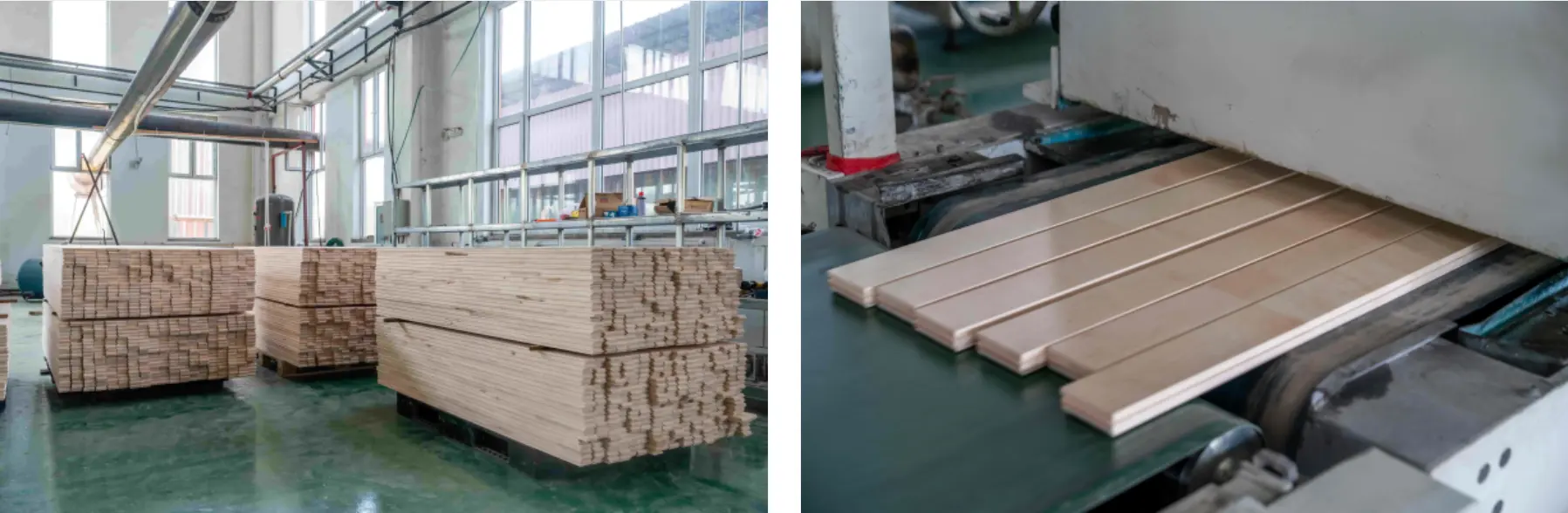
When buyers can see the factory, read about the processes, and see how quality control is going, they are more likely to believe the company. Suppliers who use contract manufacturing are better able to keep quality standards consistent. They are also better able to handle urgent orders when they have their own production lines. When it comes to cutting, cleaning, and packing, imported German and Italian gear is the most accurate. This means that fewer mistakes and wasted materials happen. You can get a smooth finish with an automatic painting line that's 90 meters long. This is something you couldn't do by hand. This makes sure that a uniform amount of shine and a thick layer of protection is always used.
Brand Reputation and Market Positioning
Well-known companies in North America and Europe get their name out there by always sending out high-quality goods, reacting quickly to customer complaints, and offering full technical help. While branded items may cost 15 to 25 percent more than non-branded items, the extra money is well spent because they work better, are more likely to be in stock, and come with a promise. When people buy from well-known brands, architects and designers who already work together can speed up the design review steps and get the job approved faster.
New sellers with low prices but no well-known brands can be very valuable if they go through the right steps like checking references, trying samples, and setting up phased buy agreements. Through these partnerships, buyers who want to save money can get good products at lower prices. These partnerships also help sellers get their names out there in the market. Lowering the risk can be done with performance bonds, staged delivery plans, and third-party quality reviews that make sure the specs are met before the shipment is accepted.
 |
 |
 |
 |
 |
 |
 |
Conclusion
When picking between light and dark natural oak flooring for your small business or home, you should think about your personal style, how well the flooring will work, and how much it will cost. Wood that is light and shiny makes a room look bigger, and it also looks good with current styles. But it needs to be kept safe from scratches and UV light. Dark oak is classy and warm, and it hides surface wear well. You should use the right colors and lights so the room doesn't feel too squished.
These two options use oak's natural durability, stability when built properly, and classic look to make sure the design stays current for a long time. In addition to how something looks, procurement experts have to look at things like the grade, the type of building, the skills of the vendor, and their qualifications for sustainability. They also have to check that the specs fit the budget, the time frame, and the maintenance that will be needed in the long run. When you work with experienced makers who offer full certifications, the ability to create, and expert help, your projects are more likely to meet client standards and be a success.
Partner with Fushun Plum Flooring Co., Ltd. for Your Next Project
Specifications demanding premium natural oak flooring solutions deserve partnerships with manufacturers combining technical expertise, production capacity, and client-centered service. Fushun Plum Flooring Co., Ltd. operates comprehensive manufacturing facilities equipped with German and Italian imported production lines, ensuring precision milling and consistent finish quality across high-volume orders. Our 90-meter automated painting line delivers uniform coating application meeting exacting commercial standards, while substantial raw material inventories enable rapid fulfillment of urgent project requirements without compromising quality.
Whether you're outfitting educational facilities, commercial venues, or sports complexes, our OEM/ODM capabilities accommodate custom dimensional specifications, finish treatments, and private labeling supporting your market differentiation objectives. Explore our comprehensive natural oak flooring catalog at plumwoodfloor.com, request complimentary samples for project evaluation, or plumflooring123@163.com to discuss your specific requirements. As a trusted natural oak flooring supplier, we're committed to supporting your project success through reliable delivery, consistent quality, and responsive partnership.
References
1. Johnson, M. & Williams, R. (2021). Hardwood Flooring: Specification and Performance in Commercial Applications. Building Materials Press, New York.
2. Chen, L., et al. (2022). "Dimensional Stability of Engineered Oak Flooring Under Variable Humidity Conditions." Journal of Wood Science and Technology, 48(3), 245-262.
3. National Wood Flooring Association (2023). NWFA Installation Guidelines and Best Practices Manual. Missouri: NWFA Publications.
4. Rasmussen, K. (2020). Sustainable Forestry and Wood Product Certification: Global Standards and Market Impact. Environmental Resource Institute, Copenhagen.
5. Thompson, D. & Martinez, S. (2022). "Color Psychology and Spatial Perception in Interior Environments." Architectural Design Quarterly, 67(2), 112-128.
6. Zhang, W. (2023). Technical Specifications for Sports Wood Flooring Systems: Performance Standards and Testing Protocols. China Sports Facilities Association, Beijing.
Get Price, Catalog, and Professional Flooring Solutions