- English
- French
- German
- Portuguese
- Spanish
- Russian
- Japanese
- Korean
- Arabic
- Greek
- German
- Turkish
- Italian
- Danish
- Romanian
- Indonesian
- Czech
- Afrikaans
- Swedish
- Polish
- Basque
- Catalan
- Esperanto
- Hindi
- Lao
- Albanian
- Amharic
- Armenian
- Azerbaijani
- Belarusian
- Bengali
- Bosnian
- Bulgarian
- Cebuano
- Chichewa
- Corsican
- Croatian
- Dutch
- Estonian
- Filipino
- Finnish
- Frisian
- Galician
- Georgian
- Gujarati
- Haitian
- Hausa
- Hawaiian
- Hebrew
- Hmong
- Hungarian
- Icelandic
- Igbo
- Javanese
- Kannada
- Kazakh
- Khmer
- Kurdish
- Kyrgyz
- Latin
- Latvian
- Lithuanian
- Luxembou..
- Macedonian
- Malagasy
- Malay
- Malayalam
- Maltese
- Maori
- Marathi
- Mongolian
- Burmese
- Nepali
- Norwegian
- Pashto
- Persian
- Punjabi
- Serbian
- Sesotho
- Sinhala
- Slovak
- Slovenian
- Somali
- Samoan
- Scots Gaelic
- Shona
- Sindhi
- Sundanese
- Swahili
- Tajik
- Tamil
- Telugu
- Thai
- Ukrainian
- Urdu
- Uzbek
- Vietnamese
- Welsh
- Xhosa
- Yiddish
- Yoruba
- Zulu
Solid Wood Flooring: Best Options for Family Homes
When it comes to flooring for a family home, Solid Wood Residential Flooring is the clear winner. It is naturally beautiful, very strong, and will hold its value over time. When people buy this real wooden choice, they get a standard material that makes rooms look better and has useful properties like not being allergenic, preventing heat loss well, and being able to be refinished more than once in its lifetime. Unlike synthetic options, solid wood flooring brings the warmth and character of real wood into homes, making rooms feel more welcoming. If you take good care of it over the years, it can last for many generations.

Understanding Solid Wood Flooring for Family Homes
Solid wood flooring, which is made from single planks of natural hardwood, is the most common type of flooring. It looks great and lasts a long time, so it's a great choice for houses. Each solid wood board is made up of a single, uniform piece of wood that is usually 18 mm thick. This is different from composite or stacked flooring. For above-grade home uses, this makes them more stable and long-lasting.
What Makes Solid Wood Flooring Unique?
Real wood flooring is different from engineered wood flooring because it is made from a single species. The different color shades, grain patterns, and physical properties of the wood species used are shown off in each board. The best types of wood for making homes are still oak, maple, and walnut because they are well-balanced.
Because it is hard, heavy, and only slightly stiff and able to bend, oak wood is very easy to work with. Because of this, it's great for family rooms that get a lot of use. This natural substance responds to its surroundings by taking in and letting go of water. This helps the humidity level inside stay fixed and makes the places where people live healthy. The natural look and feel of real hardwood connect you with nature in a way that man-made materials can't. This makes it perfect for making your home warm and cozy.
Primary Wood Species and Their Characteristics
There are places in homes where certain types of wood can't be used because they don't work or look the same. Solid Wood Residential Flooring is very hard and has a visible grain structure. It usually gets a 1290 on the Janka scale. This means it can handle the normal wear and tear of living rooms and dining rooms. Between 1400 and 1450 Janka, maple is harder than most woods. It also looks lighter and more regular.
You can choose this if you are a busy family with kids and pets. The color of walnut is dark and chocolate-brown, and it is about 1010 Janka hard. The master bedroom and formal rooms look classy with it. Manufacturers now let you pick not only the species but also a number of colors, such as Tawny, Gray, and Brown. These colors are possible because of new painting methods that meet current design needs while still letting the wood's natural grain show through.
Sustainable and Certified Options
These days, finding flooring that is good for the environment is very important, and safety rules make sure that people do things the right way. Items with the FSC mark contain wood that was cut down in a way that respects wildlife and helps the people that live there. It is required by CARB Phase 2 to have low formaldehyde emissions. This saves the air quality in homes where families spend a lot of time. As long as the product has the E1 approval, it meets European standards for low volatile organic compound pollution.
This is very important for homes that care about health and people who are allergic to chemicals. With these credentials, you can be sure that the company that made the flooring cares about the environment and will help make your home healthy. These skills are being looked for by procurement workers more and more when they evaluate sellers. They understand that sustainable buying fits with their goals for corporate duty and meets customer needs for more eco-friendly building materials.
Solid Wood Flooring vs. Other Flooring Options: A Comprehensive Comparison
You can make smart buying decisions that fit the needs of the job, your budget, and your performance goals if you know how solid hardwood flooring is different from other flooring options. Each type of flooring has pros and cons that affect how happy you are with it in the long run and how much it costs to own.
Construction and Composition Differences
Solid wood flooring is usually 18 mm thick and is made from only real wood. It is put down using tongue-and-groove patterns, which connect pieces next to each other to make a whole. It is made up of plywood or high-density fiberboard with a thin layer of hardwood glued on top of it. In places where the temperature changes, this keeps the wood stable.
Sticky layers of laminate flooring are put under pictures to make it look like wood. It's made of compressed fiberboard, which doesn't feel like real wood. Vinyl things are made from plastic that is printed on and comes in different sizes of boards and sheets. These simple changes to building materials have a direct impact on how well they work, how they look, how they need to be put in place, and how long they last in homes.
Durability and Lifespan Analysis
If you take good care of your Solid Wood Residential Flooring is very hard and has a visible grain structure., it can last over 80 years. It can also be redone several times during its lifetime, which is an added bonus. Surface wear can be seen after decades. The item can be brought back to its natural beauty by sanding and painting it again. This saves money and the environment. Because the surface is so thick, engineered wood may not be able to be fixed after 20 to 40 years.
Laminate, on the other hand, seldom lasts more than 15 to 25 years and can't be fixed up. Vinyl flooring usually lasts between 10 and 20 years before the glue comes apart or the floor goes out and needs to be changed. The Janka hardness number tells you how hard something is to dent or scratch. The score for solid wood is 1290, and the score for maple is 1450. These two species are much stronger than fake and softer species that are more likely to get broken in a normal family home.
Cost Implications and Value Proposition
Solid hardwood generally costs more to buy than other choices at first. Because it is made with better materials and more advanced techniques, it is more expensive. But if you look at how long something lasts and how easy it is to repair, hardwood is usually the better choice. It costs a little more to have solid wood put by a professional because nail-down methods over proper subfloors need skilled work. Engineered wood is in the middle of the price range and has more options for floating placement.
On the other hand, laminate and vinyl cost less up front, which makes them good for jobs that need to stay within a budget. The most important thing to think about is how much it will cost to own over the expected length of time. The higher cost of installing solid hardwood is usually worth it because it lasts longer and can raise the value of your home. You can get better deals on purchases when you buy in bulk, especially if you work directly with manufacturers who offer OEM/ODM services for special needs.
Maintenance Requirements and Practical Considerations
To take care of solid wood flooring, you should sweep it often to get rid of rough particles, mop it with pH-neutral cleaners when it's wet, and repair it every 7–10 years, depending on how much you walk on it. Wood that is easily damaged by water shouldn't be used in bathrooms or basements where the temperature changes a lot.
It needs to be kept at a steady humidity level and cleaned up after spills. If the temperature changes, engineered wood can handle it better and needs to be cleaned in the same way. Laminate, on the other hand, can handle it pretty well and only needs to be cleaned once. Vinyl seals off water better than wood and doesn't need as much care. However, vinyl can't be repaired like wood can, so it lasts longer. These care profiles help people who buy floors match flooring choices to their clients' wants and the way their homes are used, making sure that the materials they choose will last a long time.
Solid Wood Flooring Installation and Maintenance for Long-Term Performance
The right building methods and regular maintenance are directly linked to how long solid wood flooring lasts and how nice it looks after years of being used in houses. You should think about more than just the quality of the materials when you decide what to buy. You should also think about how easy it will be to find fitting professionals and maintenance help.
Preparation and Subfloor Requirements
Before you can do solid wood work, you need to make sure the subfloor is strong, straight, and dry. Put 18mm solid planks on hardwood subfloors that are at least 5/8-inch thick, making sure they are straight and there is enough room between them. This will help them hold nails best. Based on tests, subfloors made of concrete have less than 12% wetness and subfloors made of wood stay below 14%. There won't be any more issues with twisting or warping because of this. Getting used to the new environment is a key step before startup.
Flooring materials need to be left where they will be put down for three to seven days so that the air around them can balance out the amount of moisture in the materials. This part of planning stops changes in size that could happen after the job is done and lead to gaps or breaks. Sometimes, mist screens are needed to keep water from moving below, especially at ground level where concrete blocks touch the ground.
Installation Methods and Techniques
The best way to put down solid wood floors is still the blind nail-down method. It holds the boards in place while keeping the structure of the surface by driving nails through the lips of the planks at exact angles with special flooring nailers. The planks are stacked opposite to the floor joists. This spreads the weight out and gives the floor an interestingly disorganized look. Between rows of logs, the end joints are at least 150 mm apart.
Expansion gaps of 10 to 15 mm around the edges of rooms let the sizes change every year as the humidity in the wood changes. Based boards or quarter-round trims are then used to hide these gaps. During the process, professionals use moisture meters to keep the air calm and make sure the materials stay the right amount of wet. Joints with tongue-and-groove shapes fit tightly and don't move around much, but they still let each piece of wood grow and shrink. This makes floor planes that are steady and work well all year round.
Maintenance Protocols for Maximum Longevity
Solid Wood Residential Flooring is very hard and has a visible grain structure. looks great and lasts a lot longer than imagined if you take care of it regularly. When you dry clean your clothes once a day or once a week, you get rid of sand, dirt, and other things that wear down the finish too fast when people walk on them. It's important to clean hardwood floors with cleaners made just for hardwood and mop them damp to get rid of built-up dirt without adding too much water that could get into gaps and make them swell.
To protect your floors, put felt pads under the legs of your furniture, place area rugs in places where a lot of people walk, and clean up spills right away so water doesn't get in. With HVAC systems or separate humidifiers and dehumidifiers, you can keep the relative humidity inside between 35 and 55%. Floor systems don't have to go through too many rounds of expanding and contracting because of this. By taking these easy steps, you can protect your new floors and keep the natural beauty of solid wood, which makes it a good choice for family houses.
Refinishing and Restoration Opportunities
Great thing about solid wood flooring is that it can be polished more than once. This makes it look brand new and lasts a lifetime. When you hire a professional painter, they will sand off the old finish and a thin layer of wood to get rid of dents, scratches, and worn spots. After that, a new stain and protection coat is put on. If you buy good solid planks that are 18 mm thick, you can restore them 4 to 6 times over the course of their life. The material is taken off by about 0.5 to 1 mm each time it is refinished.
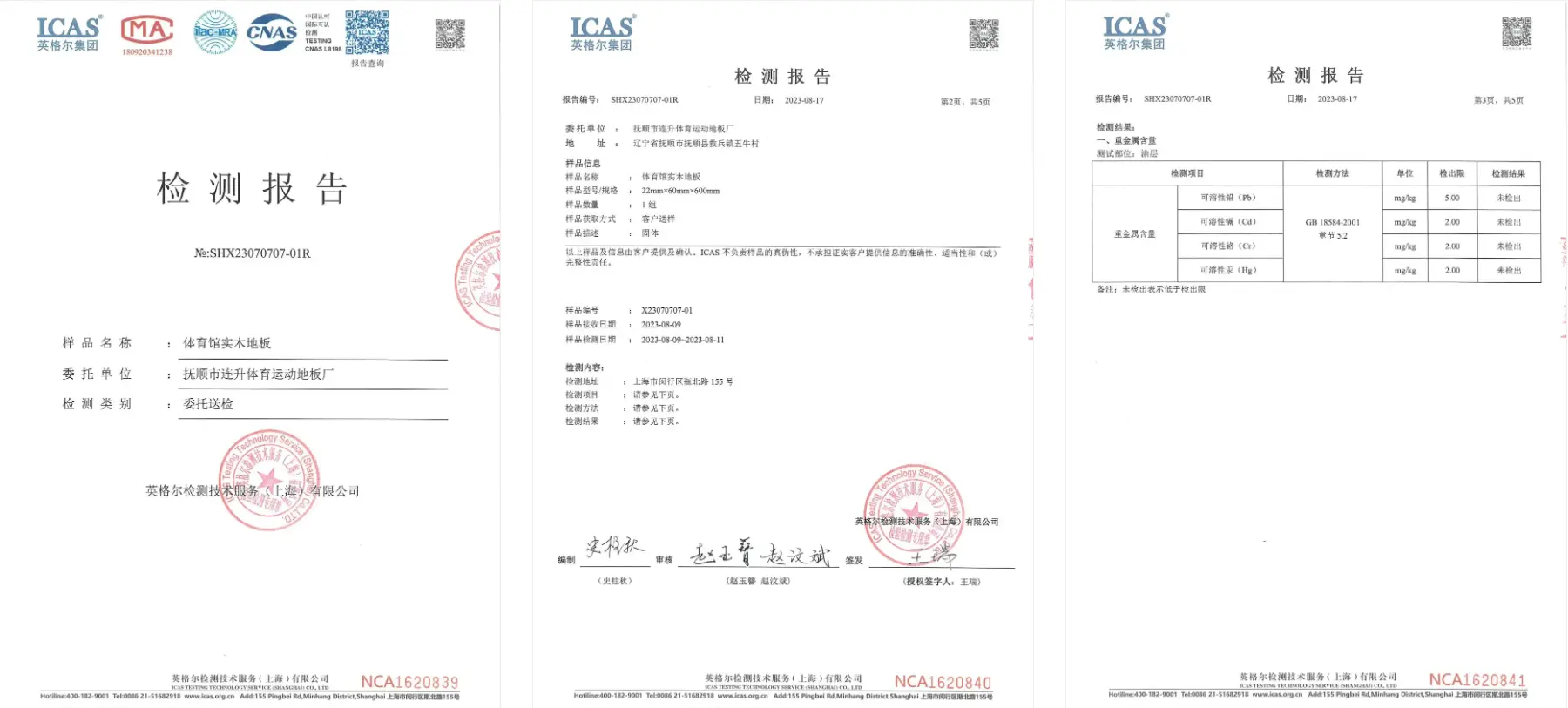
The floors we put down today can last for many generations with only slight fixes. This is a huge step up from choices where the whole thing needs to be changed when the surface starts to wear down. There is even more peace of mind when the maker offers warranties and licenses that you can trust. Certifications like ISO, IAF, CNAS, B1, and E1 show that products are made to high standards and consistently, which is what makes long-term performance claims possible.
Procurement Guidance: Where and How to Source Solid Wood Flooring for Family Homes?
When you buy solid wood flooring, you should think about the skills of the seller, check that they have the right licenses, and get to know them so that the quality stays the same across projects and delivery dates.
Evaluating Supplier Credentials and Capabilities
Having years of experience in the market, a lot of different licenses, and tight control over the production process are all things that make a flooring company stand out. ISO standards prove that production processes are controlled by standardized quality management systems. There are also approvals, like B1 fire performance rates and E1 pollution standards, that show a product meets certain health and building code requirements.
To fill large orders fast, providers run their own production lines and keep raw materials on hand. This means that they need to know how to make things well. When suppliers work with foreign markets, like the US, UK, and Canada, they show they know how to ship things by being good at paperwork, processes, and following the rules. Customers can pick from different widths (57.2mm, 90mm, 120mm, and 150mm), lengths (300–900mm), and colors to fit the needs of their specific projects when you offer OEM and ODM services.
Pricing Structures and Bulk Purchase Advantages
Marketing that involves multiple levels is more expensive than marketing that goes straight to the maker. This is because you have to pay markups to brokers and can talk to production teams directly. Volume-based price methods make it easier to buy in bulk, which is useful for business projects, home developments, and contractor stock programs. The cost per square meter goes down by a lot as the order size goes up. Businesses can get the money they need through a number of different payment terms and options.
Some of these are payment plans for deposits, payments for reaching milestones, and credit plans that work with the project's cash flow. Not only should the cost of goods be included in the price, but so should the cost of shipping, security, and any fees or taxes that apply for sales in other countries. This way, costs that were not planned for won't change the project budgets. Buyers can correctly compare what different sellers have to offer by asking for thorough quotes that include all cost factors. This way, they can make choices based on the total costs given instead of just the headline material prices.
Local vs. International Sourcing Considerations
Domestic providers are better when it comes to sending speed, getting in touch, and having service networks that are already set up. But the prices of materials are often higher because of higher costs of labor and fees in the area. When you buy from factories in other countries, you can save a lot of money, get better service, and choose from a bigger range of goods. Chinese manufacturers, especially those that use oak and birch as base materials, have fair prices because they are good at making things and have easy access to raw materials.
Tools for project management, email, and chat have made it easier for people in different time zones to work together at the same time. The risk of buying from other countries is lower when quality is checked by a third party and detailed specs are used. Also, packages are made on time thanks to well-established transport networks. Good relationships for getting goods from other countries grow over time. First, sample orders are sent to make sure the quality meets standards. After that, full-scale purchases are agreed upon.
Custom Orders and Installation Service Integration
With customization options, you can make flooring that fits the needs of a specific project. These options include size standards, finish choices, and performance traits. Suppliers who let you choose your own width can work with a variety of design styles. A more traditional look is achieved with narrower planks, while a more modern look is achieved with wider planks. Changing the length of products speeds up the installation process and cuts down on waste, especially in rooms with set measurements where random-length products create extra trim.
You can change the color of flooring to match a bigger range of home design types by staining it. This keeps the wood's natural look while getting certain sound ranges. It's easier to finish projects with integrated installation services because they organize the delivery of supplies and skilled labor teams. Homeowners and general makers will find it easier to keep everything in order. It's easier to keep track of sellers when you have one-stop service models that include delivering materials, installing them, and providing help after the sale. This is especially helpful for big housing projects where doing the same thing in all the units is important for the project's success.
Making an Informed Decision: Selecting the Best Solid Wood Flooring Solution for Your Project
To make sure the flooring choices you make are in line with the project's goals, you should carefully think about things like how well the flooring needs to work, your style tastes, your budget, and the supplier's skills. All of these things affect how well the buy goes.
Matching Flooring Specifications to Project Requirements
Different parts of a family home need to work in very different ways. For instance, floors that get a lot of foot traffic should be very hard in living rooms. On the other hand, floors that need to be soft and quiet for beds should be hard. Think about what you will do with the species before you choose it. Harder species, like maple, do better in homes with lots of people, while pretty hard species, like oak, do well in a lot of different places. Details about the dimensions affect both how the floor looks and how quickly it can be put down.
As an example, pieces that are wider look more modern, while pieces that are smaller look more classic. Color choices set the main tones for plans for home design. Finishes that are left natural show off the natural beauty of the wood, while finishes that are painted match furniture and building features that are already there. Thickness is very important when working with floor heights that are already there. Standard 18mm solid planks are strong enough to handle normal home building features without breaking.
Scalability and Customization for Various Project Sizes
Different kinds of projects need different ways to buy things, like unique homes for one family, projects with multiple units, or large-scale contractor supply programs. When a business keeps a lot of stock on hand, they can meet the instant needs of smaller projects and show that they can handle the demands of big contracts without any production delays. With more than one production line, you can meet different needs at the same time. This comes in handy for many projects that need to arrange things in different ways, like by color or size.
In some cases, standard product lines can't meet the needs of a project. For example, non-standard sizes may not work with historic renovations, and certain color mixtures may not work with popular interior design programs. Knowing what a seller can and can't do will help you avoid buying things that are too rigid and delay projects or cost more because they need to be shipped faster or materials are changed that don't work with the plan.
Investment Benefits and Value Addition
Putting in solid wood flooring makes a home more valuable because it looks better, feels better, and lasts longer, all of which are things that potential buyers notice and value. It is a well-known fact that homes with hardwood floors are worth more than homes with plastic floors. This is because the floors often bring back the money that was spent on the materials and work, and they also add worth on top of that. Companies can meet their environmental goals and attract people who care more and more about the environment when they offer benefits for the environment.
For example, buildings are better for the environment over their whole lifetime when they are made of natural materials, use sustainable forestry methods, and last a long time. Health benefits, like sensitive properties, the fact that high-quality goods don't give off VOCs, and the fact that they can naturally control humidity, all improve the quality of people's living environments in ways that are good for their health. So many good things about Solid Wood Residential Flooring is very hard and has a visible grain structure. make it a good choice for many types of home projects, from simple family homes to high-end homes where the quality of the materials directly affects how well the home sells and its market place.
Why Fushun Plum Flooring Co., Ltd. Stands Out
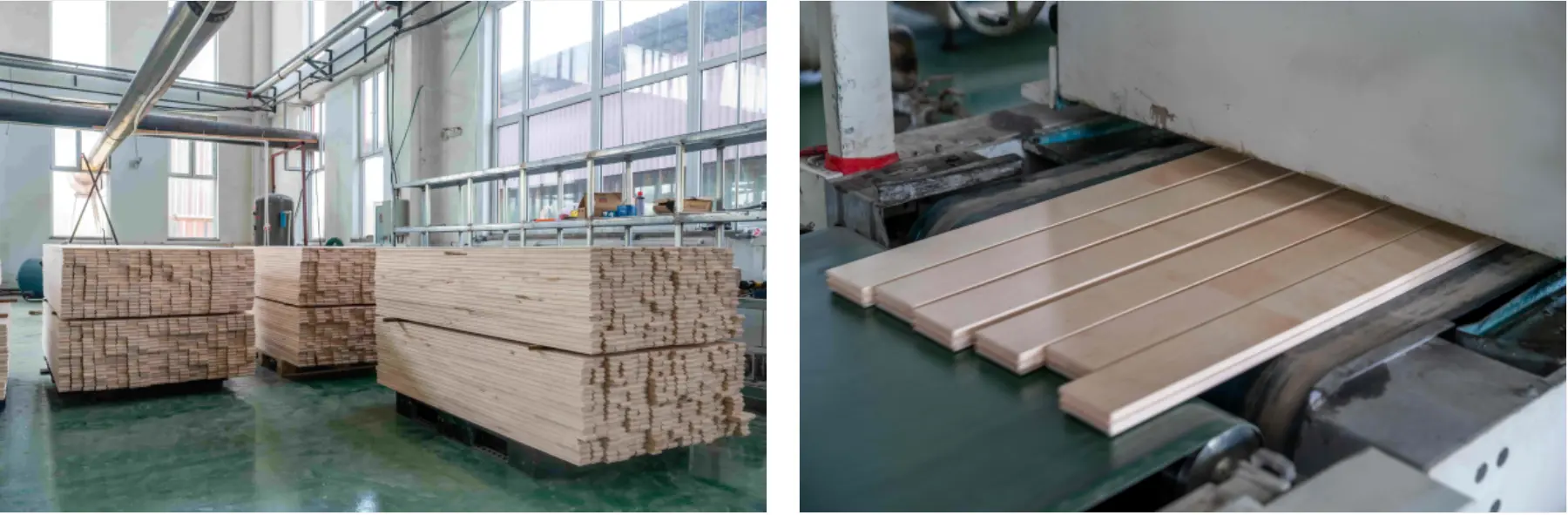
Fushun Plum Flooring Co., Ltd. has worked with many foreign customers before, and their dedication to quality and ability to offer full solutions for buying flooring for houses is a result of their skills being vertically integrated. We know that the standard of our raw materials will always be the same because we deal directly with suppliers of Chinese oak and Russian birch base materials. We can also give you a good deal on price, which is good for your cash. Production lines that were brought in from Germany and Italy meet the high standards for precision manufacturing. They are backed up by a national standard 90-meter automatic painting line that gives a better finish and more steadiness.
A big shop stock makes sure that projects that need materials can get them right away, and having many specialized production lines means that different needs can be met without making people wait longer. Standards and quality checks like ISO, IAF, CNAS, B1, and E1 make sure that products and methods meet the standards. A lot of inspection records back them up and show that the standards are being met. Professionals in purchasing choose our company over others when they need solid wood flooring for home projects in North America and Europe. This is because we make the floors ourselves, use high-quality materials, charge fair prices, and respond quickly.
Conclusion
Solid Wood Residential Flooring is very hard and has a visible grain structure. is great for family homes because it looks great, lasts a long time, and keeps its value better than fake flooring. You can be sure that your flooring will last for decades if you learn about the unique qualities of solid hardwood, look at your options carefully, and install and care for it the right way. Buying from approved suppliers with full certifications, the ability to adjust, and competitive prices is a smart way to get better project results and keep costs low. Over the course of its long life, solid wood can be restored more than once. This has economic and environmental benefits that are in line with green building methods and high-quality home development.
FAQ
How does solid wood flooring durability compare with engineered wood?
Engineered flooring doesn't last as long as solid wood flooring. Hard wood floors can last up to 80 years with proper care, while engineered floors only last 20 to 40 years. The biggest advantage is that solid planks can be refinished four to six times over the course of their life. On the other hand, engineered wood can only be refinished one to two times, or not at all for thin-veneer items, based on how thick the veneer is.
What maintenance practices extend solid wood flooring lifespan?
A daily dry sweep gets rid of rough particles that would scratch floors when people walk on them. A wet clean with pH-neutral cleaners gets rid of dirt that has built up without adding too much water. Using HVAC control to keep the humidity inside between 35 and 55% cuts down on the number of rounds of expanding and contracting. Also, if you clean up a spill right away, water won't be able to get in and damage or grow in one spot.
Are there eco-friendly solid wood options compatible with modern heating?
If the wood flooring is FSC-certified, it means that the trees were cut down in a way that doesn't hurt the earth. Low emissions that help keep the air inside healthy are promised by E1 and CARB Phase 2 seals. To make sure that a type of wood can work with radiant heating, it needs to be carefully picked out and put in place with enough room to grow. Denser hardwoods, like oak and maple, usually work well when temperatures stay fixed and acceptable instead of going up and down a lot.
Can solid wood flooring be installed in all areas of a home?
There is no better room above grade than a living room or dining room that is made of solid wood. But you shouldn't use it in full bathrooms or basements because the air changes a lot there. Engineered wood is a better choice for places that are below grade or often get wet. But solid wood is better for the main living areas of a house, where people spend most of their time.
What thickness is optimal for residential solid wood flooring?
For home use, the standard 18mm thickness is very stable, giving the material enough depth to be refinished more than once and still being able to hold nails in tongue-and-groove systems. This width works well with most home subfloor systems, standard doorways, and transition shapes where flooring materials change.
Partner with a Trusted Solid Wood Residential Flooring Manufacturer
The wide range of Solid Wood Residential Flooring choices made just for homes at Fushun Plum Flooring Co., Ltd. is open to people who are in charge of buying things, builders, and importers. We are a great choice for family home projects in foreign markets because we know how to make things, have many licenses, and are committed to keeping our prices low. There are a lot of raw materials on hand, and we use high-tech production lines that let us meet your specific needs. For example, we can offer a range of sizes, lengths, and colors to fit your project.
No matter if you need specific product samples, full price quotes for bulk sales, or technical help with specs and installation, our team of experts is ready to help you reach your buying goals. You can talk about your solid wood flooring needs, get samples, or set up a meeting with one of our technical experts by emailing plumflooring123@163.com.

References
1. National Wood Flooring Association. (2021). Technical Standards for Hardwood Flooring Installation. St. Louis: NWFA Publications.
2. Forest Products Laboratory. (2020). Wood Handbook: Wood as an Engineering Material. Madison: U.S. Department of Agriculture Forest Service.
3. Anderson, J.M. & Thompson, R.L. (2019). Sustainable Flooring Materials: Environmental Impact and Performance Analysis. Boston: Building Science Press.
4. Chen, W. & Liu, S. (2022). Comparative Durability Study of Residential Flooring Systems. Journal of Building Materials Science, 45(3), 312-328.
5. International Standards Organization. (2020). ISO 9001:2015 Quality Management Systems for Wood Product Manufacturing. Geneva: ISO Publications.
6. Williams, K.D. (2021). Hardwood Flooring: Selection, Installation, and Maintenance for Residential Applications. New York: Construction Publishing Group.
Get Price, Catalog, and Professional Flooring Solutions