- English
- French
- German
- Portuguese
- Spanish
- Russian
- Japanese
- Korean
- Arabic
- Greek
- German
- Turkish
- Italian
- Danish
- Romanian
- Indonesian
- Czech
- Afrikaans
- Swedish
- Polish
- Basque
- Catalan
- Esperanto
- Hindi
- Lao
- Albanian
- Amharic
- Armenian
- Azerbaijani
- Belarusian
- Bengali
- Bosnian
- Bulgarian
- Cebuano
- Chichewa
- Corsican
- Croatian
- Dutch
- Estonian
- Filipino
- Finnish
- Frisian
- Galician
- Georgian
- Gujarati
- Haitian
- Hausa
- Hawaiian
- Hebrew
- Hmong
- Hungarian
- Icelandic
- Igbo
- Javanese
- Kannada
- Kazakh
- Khmer
- Kurdish
- Kyrgyz
- Latin
- Latvian
- Lithuanian
- Luxembou..
- Macedonian
- Malagasy
- Malay
- Malayalam
- Maltese
- Maori
- Marathi
- Mongolian
- Burmese
- Nepali
- Norwegian
- Pashto
- Persian
- Punjabi
- Serbian
- Sesotho
- Sinhala
- Slovak
- Slovenian
- Somali
- Samoan
- Scots Gaelic
- Shona
- Sindhi
- Sundanese
- Swahili
- Tajik
- Tamil
- Telugu
- Thai
- Ukrainian
- Urdu
- Uzbek
- Vietnamese
- Welsh
- Xhosa
- Yiddish
- Yoruba
- Zulu
Birch Herringbone vs. Oak: Which Parquet Is Right for You?
Birch herringbone parquet flooring and oak herringbone parquet flooring are both great options for business and home projects that need parquet flooring. Each is good in its own way. Birch is great for modern rooms that need to look bright but don't have a lot of money because it's easy to work with and doesn't cost much. On the other hand, oak is better for places that get a lot of use and need something that will last a long time. This is because oak is harder and has a more classic flavor. What you choose will depend on how well your project needs to work, your style preferences, your income, and how much maintenance you want to do in the long run. Procurement workers can make better choices for the project when they know more about the technical side of these goods and how they work in real life.
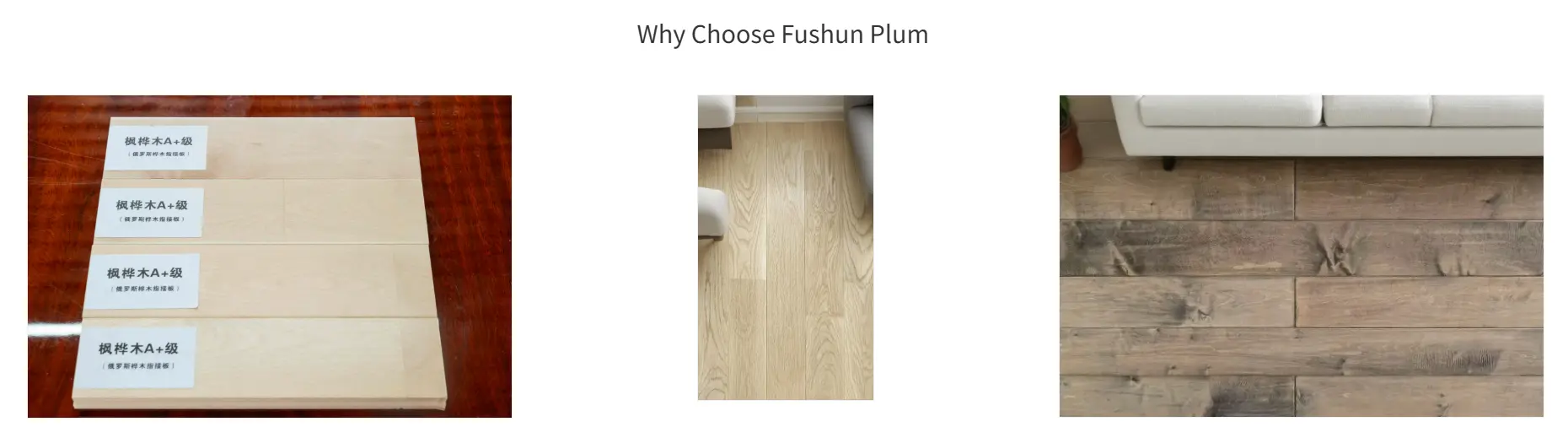
Understanding Birch and Oak Herringbone Parquet Flooring
The herringbone pattern has been used on important buildings for hundreds of years, from castles in Europe to shopping malls in North America today. The unique spiral design, which was based on the shape of a herring fish's bones, gives areas depth and movement that make them stand out as building pieces. There are no straight lines between the boards in chevron carpeting. If you look at herringbone flooring, it looks like it's broken up and stitched together. It adds style and texture to any room.
Defining Birch Herringbone Parquet Characteristics
Birch herringbone parquet flooring is made from European birch species, primarily Betula pendula from Russian forests, that have been cut into precise rectangular blocks that are arranged at right angles to one another. There are a few unique things about this material that are important for making B2B buying choices. The wood is soft and smooth, and its fine, delicate grains reflect light beautifully, making places brighter when there isn't a lot of natural light. Birch parquet can be put down in many places because it comes in lengths from 300mm to 900mm, widths of 90mm or 120mm, and a normal thickness of 18mm.
This stuff is strong and keeps nails in place well, which is important for keeping the building stable over time. It is easy to walk on birch because it is naturally springy. This stops your legs from getting tired when you have to stand for long periods of time at work. This is why it works so well in places like schools, dance studios, and stores that sell things. Painting and sealing the wood are both very good, which makes finishing easy. Because of this, manufacturers can give different color options, like rusty, gray, and brown, to go with different styles.
Oak Herringbone Parquet: Traditional Elegance and Performance
For a long time, oak herringbone parquet has been the main choice for high-end projects. It has a lot of different colors and clear grain designs that make it warm and unique. The Janka scale says that this kind of woods is harder than birch. Oak is usually between 1,200 and 1,360 pounds-force hard, but this depends on the type of oak. This level of density makes the floor last longer in places where a lot of people walk on it, like hotel lobbies, professional sports arenas, and school and hospital halls.
Oak is beautiful because it comes in many shades and shapes and develops a unique shine over time. These features look great with classic building styles and last for a long time in places that value classic beauty. As long as the wood is in an engineered form with cross-laminated cores, it doesn't spread when it gets wet, which is important for large-scale installations. It's even more of a standard species because oak has been popular on markets all over the world for a long time.
Comparing Birch and Oak Herringbone Parquet Flooring: Key Performance Dimensions
When choosing between birch and oak herringbone, there are a lot of performance factors that need to be carefully thought through. These factors have direct effects on the project's results and costs over its lifetime. When it comes to business flooring, both types of products are used for different tasks and meet different buying and running needs.
Durability and Wear Resistance Analysis
On the outside, oak is generally harder than birch. This makes it better for places where people and things move around a lot. Oak is good for buildings like bus stops, community centers, and sports arenas because it doesn't dent or wear down quickly. Tests show that oak finishes last 20 to 30 percent longer than birch finishes when the same amount of pressure is put on them. This means that wood floors wear out less quickly and cost less to maintain over time.
It's a little lighter than maple, but birch is still a good choice for places with moderate foot traffic because it lasts a long time. Birch wood can be used in school gyms, dance studios, and places that are used for more than one thing as long as it is finished and kept up properly. The material is naturally stretchy, which makes it good for sports because it absorbs shock and helps keep joints healthy and accidents from happening. People who work in procurement and are in charge of projects with limited funds like birch because it can perform well with a smaller initial investment than premium oak choices.
Aesthetic Versatility and Design Integration
Birch herringbone parquet flooring has a light, even color that gives it a modern Scandinavian look that is becoming more and more popular in business styling. This light helps you see how big a room is, which makes small rooms feel bigger and still looks professional. The light grain design blurs the background, making furniture, logos, and building features stand out without drawing attention to the floor itself. The simple beauty of birch goes well with the simple design ideas used in restaurants and small shops.
With oak's darker tones and clear grain differences, designers can give their work more texture drama and a classic warmth. This visual complexity looks great with classic interior designs and makes you feel right away like the space is stable and of high quality. Wood can be any color, from light honey to medium brown, so it can be used with many different things. Oak has been used for a long time and is very popular, so it's a good choice for projects that need to look old or authentic.
Maintenance Requirements and Underfloor Heating Compatibility
It's possible for both types to be used with current underground heating systems as long as they are built correctly with multiple layers that prevent movement in all three directions. Open-grain species let more dust build up than closed-grain species. Because of this, birch doesn't need to be cleaned as often and doesn't cost as much to do so in businesses. For regular maintenance, it's easy to add dry sweeping and sometimes damp mopping with pH-neutral cleaners to the normal jobs that property managers already do.
You should take the same care with oak, but because its surface is rough, wear marks may stand out more. It is usual to sand oak floors to get rid of damage on the surface before putting on new finish coats. Oak is a thick and dense wood, so this is possible. Both can be finished with modern UV-cured polyurethanes that give off little to no VOC. In North America and Europe, this means they meet the strict environmental standards needed for business and governmental buildings.
Sustainability and Environmental Certifications
Materials that have been carefully chosen and checked for sustainability are becoming more important as more people want to buy things that are good for the environment. Many types of birch from Russian forests are FSC-approved. This means that they were cut down in an eco-friendly way and that the product's history can be traced all the way through the supply chain. This species grows faster than oak, so it is a renewable resource that doesn't hurt the environment as much when it is used.
Because oak trees take longer to grow, forests need to be controlled more carefully to make sure they last. However, well-established licensing programs do a good job of keeping an eye on responsible sources. Both species meet the E1 emission standards for formaldehyde levels in designed buildings. This is very important for hospitals and schools that care about the quality of the air inside. More and more, these certificates are needed for purchases, which makes being able to check sources an important part of the process. Keep all of your certificates, like ISO, IAF, and CNAS standards and product-specific B1 fire performance scores. This shows that the manufacturer cares about quality, which lowers the risk of the project.

Procurement Considerations: Cost, Supply, and Installation
In addition to how well the material works, there are also useful things that come into play when choosing flooring. When engineers and building material exporters look at possible suppliers for large business projects, they check how stable the supply chain is, how predictable the costs are, and how well the suppliers help with installation.
Cost Comparison and Budget Planning
The price per square foot changes based on the type of wood, the style (built or solid), the finish, and the size of the order. Oak typically sells for 20–40% more than birch. This is because it grows more slowly, costs more to handle, and is in higher demand because of traditional tastes. Birch herringbone parquet flooring is a great wood for projects that need to stay within a budget because it has a beautiful herringbone pattern and is cheap enough that most people can afford it. It also meets important performance requirements.
Agreements for volume discounts help general builders who are working on several projects at once or putting them together in steps. Foreign exporters who make long-term deals with makers save money because they don't have to pay markups on distribution. Clear price models that take into account changing material costs, currency exchange rates, and shipping costs make it possible to plan projects accurately and make bids that are competitive.
Supplier Selection and Quality Assurance
To find suppliers you can trust, you should look at how well they can make things, how well they keep an eye on quality, and how stable their supply lines are. A high level of technological skill is shown by manufacturers who run their own factories and use tools made in Germany and Italy. This ensures exact measurements and a uniform finish. It is possible to apply coats evenly with automated painting lines that are at least 90 meters long. This is necessary for high-end projects that need a uniform look.
There are a lot of items in stock, which means the seller can easily handle urgent orders and changes to the project plan. If you buy raw materials directly from source areas, like Russian birch forests, you can save money and be more sure of your supply than rivals who have to go through brokers. Over 1,000 sports venues have been built in the United States. These projects show that the products can be installed and worked well in tough real-world situations.
Installation Services and Technical Support
The thing that sets capable providers apart from product sellers is that they offer full application help. Skilled builders are needed to make sure that herringbone patterns are aligned correctly, that joint spacing is consistent, and that the structure is supported. This is because manufacturers who offer installation directions, training programs, or direct installation services make sure that the promise is followed and lower the risk for general contractors. You can avoid making common installation mistakes that hurt the project's results by following the technical specs. These specs tell you how to prepare the base, pick the right glue, meet the acclimation requirements, and finish the job.
The fact that the company offers services like training in upkeep, help on refinishing, and a promise of completion after the installation shows that they want to keep working with you for a long time. You can pick from different sizes, finishes, and colors to fit your building needs with OEM and ODM design. People in different time zones can talk to each other and fix problems more quickly when customer service teams are responsive and know how to do business overseas. This keeps the project going forward.
Making the Right Choice: Matching Flooring to Project Needs
To pick good materials, there must be a way to check out items in a way that matches their qualities with the project's needs. Different business applications focus on different success factors. To meet the needs of all stakeholders, decision-making methods need to be tailored.
Application-Specific Recommendations
Birch herringbone parquet flooring is good for school gyms and community sports centers because it is springy and soft, so players don't get hurt or tired during long workouts. For places that are used for more than one thing, the light color of the cloth makes it easy to see court lines and other important details. Because it is safe and doesn't cost too much, birch is the best choice for schools that don't have a lot of money for major projects.
Some places, like professional sports arenas and business rooms with a lot of foot traffic, can pay more for oak because it lasts longer and doesn't wear down as quickly. The material has a classic look that makes it seem high-class and long-lasting, which are important brand traits for hotels and business places. Birch is good for dance studios and fitness centers because it is soft on the feet and has a modern look that people who care about their health and like being in modern places will like.
Decision Framework: Balancing Cost and Benefits
Rather than just looking at the price they paid for something, buying teams should use decision models that take into account the total cost of ownership. A full financial picture includes how long the item is expected to last, how often it needs to be repaired, how much the maintenance work costs, and when it needs to be replaced. Oak may be better for long-term projects that will last 20 years or more because it costs less and lasts longer. Birch, on the other hand, is better for short-term projects because it is easier to work with.
The choice of material is affected by things other than how well it works, like personal taste and how the brand is positioned. The light tones of birch wood help boutique shops that want to build Scandinavian-modern brand names reach their goals. Oak's well-known links, on the other hand, are important to high-end hotels that value classic beauty. As people become more concerned about the environment, they change the way they buy things. If the wood comes from a good source and is handled by eco-friendly businesses, both types can be good choices.
Case Study Insights from North American Projects
To save money and give the leisure center at a Canadian university a more modern look, birch herringbone parquet flooring was chosen for the 12,000-square-foot makeover. The project got LEED points because it used FSC-certified products and low-VOC finishes. It has been used a lot for three years, but building officials say the species is still working well with only minor maintenance needed besides being cleaned regularly. It's clear that this is a good choice for school games.
On the other hand, an American boutique hotel chain used wood herringbone in all five of its properties' lobby and halls to make the brand look consistent and add a classic touch. Because the cloth doesn't wear down easily, it's been useful in places with a lot of foot traffic; it looks good even though thousands of people walk by it every day. It was smart to spend money on good flooring because it fits with the brand's image and improves measures of guest happiness that are linked to how the building is seen.
Conclusion
To choose between Birch herringbone parquet flooring and oak herringbone parquet, you need to look at the performance needs, style goals, funding, and environmental commitments of each project. Birch herringbone parquet flooring is a great option for modern business spaces that need a bright look and a smooth surface that is easy on the feet at a price that is affordable to the majority of people. Oak herringbone is still the best choice for places that get a lot of use and need to last a long time and look good. Both materials work well when they come from trustworthy manufacturers whose supply chains stay stable and all of their goods are checked for quality. When purchasing professionals carefully look at total ownership prices, application-specific needs, and supplier skills, they can make choices that will help a project succeed.
FAQ
Is birch herringbone parquet flooring suitable for underfloor heating systems?
Birch engineered herringbone with a cross-laminated multi-ply pattern is a great choice for radiant heating systems. Layered construction lessens the size changes that happen when the temperature changes. This keeps gaps and bends from forming. When put down over acoustic underlayments, heating elements can be used. In buildings with more than one floor, sound dampening is important.
What is the expected lifespan of oak parquet in commercial environments?
The right way to install and care for oak herringbone flooring will make it last 25 to 40 years in business areas with light to heavy foot traffic. Refinishing the surface every 7–10 years brings back the look and protects the finish, which makes it last a lot longer. How long something lasts depends on a lot of factors, such as how often it is fixed, the weather, and how well it was installed in the first place.
Can manufacturers accommodate custom orders for large sports venue projects?
To meet design needs, reputable flooring manufacturers offer a wide range of customization options, such as sizes that aren't standard, unique finishes, and color matching. With OEM and ODM, you can make patterns and shapes that are completely unique and fit your own design ideas. Large project numbers help cover the costs of the tools needed for custom runs when setting up supply deals that cover more than one installation.
How does birch compare to maple for athletic flooring applications?
While birch isn't as hard as maple, it's still flexible and good at absorbing shock, which makes it useful in sports settings. Birch costs less than other types of wood, which makes it good for projects that need to stick to a budget. It doesn't change how safe or successful athletes are, though. Both types can be finished in similar ways, and if they are built right, they can meet the performance standards for sports floors.
What certifications should procurement managers require from flooring suppliers?
For full quality assurance, you need more than one type of approval that covers things like how well the product works, how it affects the environment, and how it was made. The ISO 9001 quality management certification makes sure that the rules for production are set up in a way that guarantees consistency. There is a low amount of formaldehyde that meets the standards for indoor air quality set by E1 emission standards. According to B1 fire performance ratings, the way something burns is important for business building codes.
Source Premium Birch Herringbone Parquet Flooring Directly from Fushun Plum Flooring Co., Ltd.
If people who buy things need to find reliable birch herringbone parquet flooring suppliers, they should go to Fushun Plum Flooring Co., Ltd. To make sure the quality is good, we have ISO, IAF, CNAS, B1, and E1 certifications, and we get our raw materials from Russian forests. We also use German and Italian production lines to make exact parts. We keep a lot of stock on hand so that we can finish big business projects fast. We can also make OEM and ODM services that are unique to your needs. If you would like to learn more about our products, please contact us at plumflooring123@163.com.


References
1. Anderson, M. (2021). Comparative Performance Analysis of Hardwood Species in Commercial Flooring Applications. Journal of Building Materials Science, 15(3), 145-162.
2. Bergström, K. & Liu, H. (2020). Sustainability Assessment of European and North American Hardwood Supply Chains. Forest Products International, 28(2), 89-104.
3. Collins, R. (2022). Engineered Wood Flooring: Technical Specifications and Installation Best Practices. Construction Engineering Quarterly, 41(1), 23-38.
4. Hayashi, T. & Schmidt, P. (2019). Herringbone Parquet: Historical Context and Contemporary Applications in Commercial Design. Architectural Materials Review, 12(4), 201-218.
5. Morrison, J. (2023). Life Cycle Cost Analysis of Wood Flooring Systems in Institutional Buildings. Facilities Management Today, 19(2), 67-81.
6. Williams, S. & Chen, Y. (2021). Material Selection Frameworks for High-Performance Sports Flooring. Athletic Facility Design Journal, 8(3), 112-127.
Get Price, Catalog, and Professional Flooring Solutions